
Pantalettes
Pantalettes are 19th-century leg-covering undergarments worn under skirts for modesty and warmth. Popular in Victorian fashion and children's dress, they declined as undergarment styles and hemlines changed.
Overview
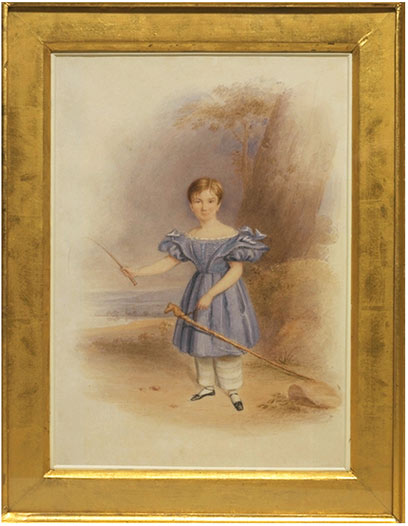
Pantalettes are a type of undergarment designed to cover the legs beneath skirts and dresses. Worn primarily by women and girls in the 19th century, they provided modesty and extra warmth. They were also part of children's wardrobe: boys sometimes wore them until the age when they adopted trousers.
Image gallery
10 Images




Design and materials
Typical pantalettes were made from lightweight fabrics such as cotton or linen and often finished with lace, tucks, or embroidered trims. Their length varied from mid‑calf to ankle. Many styles featured loose, straight legs and a simple waist opening; some garments had practical openings to ease toileting. Common decorative approaches emphasized white or natural fabrics beneath colored outer skirts.
History and development
Pantalettes emerged in the early to mid‑19th century and became widespread in Western Europe and North America during the Victorian era. They are often associated with fashions that prized layered clothing and full skirts. The style has roots in French dress practices and early continental trends, with origins frequently traced to France during this period: origin and context.
Uses and decline
Pantalettes served several practical and cultural roles: providing modesty beneath voluminous skirts, adding warmth in cooler climates, and completing a fashionable silhouette. As women's dress changed around the turn of the 20th century—hemlines shifted and undergarment design evolved—pantalettes were gradually replaced by shorter drawers, bloomers, and later by modern underwear styles.
Characteristics and legacy
Key features of pantalettes include long legs, lightweight materials, and decorative edging. Popular features are listed below:
- Length to mid‑calf or ankle and loose leg shape
- White cotton or linen fabric with lace or embroidery
- Worn under skirts for modesty and warmth (leg covering)
Today pantalettes are primarily of interest to costume historians, reenactors, and museums documenting 19th‑century dress. They illustrate how undergarments have reflected changing tastes, technologies, and social norms in clothing.
Related articles
Author
AlegsaOnline.com Pantalettes Leandro Alegsa
URL: https://en.alegsaonline.com/art/74389