
Nightgown (nightdress): design, history, and varieties
A nightgown is a loose garment worn for sleeping and lounging. This article explains common styles, fabrics, historical development, practical uses and distinctions from pajamas and other sleepwear.
Overview
A nightgown, also called a nightdress, is a loose-fitting garment intended primarily for sleeping and informal lounging at home. Traditionally worn as a single-piece dress, nightgowns vary widely in length, fabric and detailing. They are distinct from two-piece sleep sets such as pajamas and from robes or dressing gowns, although some garments blend features of these categories. For a general comparison of sleepwear types see sleepwear overview.
Image gallery
9 Images


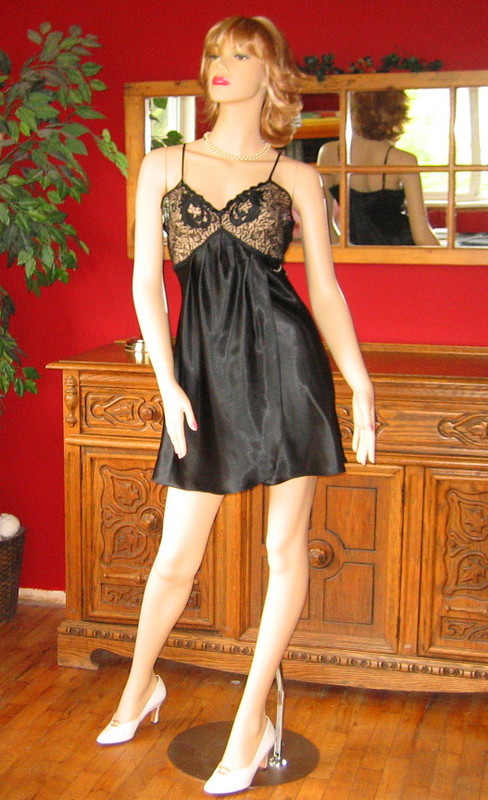
Characteristics and common styles
Key features of nightgowns include a relaxed silhouette, minimal structure, and emphasis on comfort. Common lengths and styles include:
- Baby-doll: a short, hip-length style with a high waist and loose skirt, often intended to be youthful or decorative.
- Knee-length: practical for everyday wear, offering more coverage while remaining lightweight; related terms appear in pattern descriptions such as knee-length styles.
- Floor-length and négligée: longer, often more elaborate garments that may be used for both sleep and intimate apparel.
- Nightshirt/chemise: simple shirt-like designs that resemble an oversize shirt and are sometimes worn by men and women.
Materials and construction
Nightgowns are made from a range of fabrics chosen for softness, breathability and seasonality. Common materials include cotton, flannel, linen, silk, modal and lightweight synthetic blends. Fastenings are usually minimal—buttons, ties or elastic—and trims can range from plain hems to lace, embroidery or ruffles. Care instructions depend on fabric: cotton and synthetics are machine-washable, while silk and detailed pieces often require gentle handling.
History and cultural notes
Loose garments for sleeping have a long history and have taken many forms in different cultures. In Western dress, separate nightshirts and nightgowns were common for both sexes until the early 20th century; many men transitioned to two-piece pajamas around the 1940s, a change reflected in social customs and retail offerings. Today, nightgowns are more frequently purchased by women in many markets, although unisex and men's styles continue to exist.
Uses and distinctions
Nightgowns serve practical functions—comfort, temperature regulation and ease of movement during sleep—and social or aesthetic ones, such as maternity or nursing designs and more decorative pieces intended for intimate settings. They differ from robes (which are typically worn over sleepwear for modesty or warmth) and from hospital gowns or medical garments, which are designed for clinical use. For information about pajamas and their history see pajamas history, and for resources on sleep hygiene and clothing choices consult sleeping and bedding guidance.
Notable modern trends include increased use of breathable performance fabrics, gender-neutral cuts, and a market that embraces both utilitarian and fashion-forward nightwear. Designers continue to reinterpret traditional forms—such as the négligée or chemise—so the term "nightgown" now covers a broad range of garments for rest and leisure.
Related articles
Author
AlegsaOnline.com Nightgown (nightdress): design, history, and varieties Leandro Alegsa
URL: https://en.alegsaonline.com/art/70149