
Pajamas: clothing for sleep and relaxation
Loose garments worn for sleeping; styles, materials, history, cultural variations and practical care of pajamas (pyjamas). Includes etymology and typical components.
Overview
Pajamas are comfortable garments designed primarily for sleeping and lounging. The basic set commonly comprises a top and matching bottoms, and the silhouette is generally loose to allow freedom of movement and breathability while resting. In British English the word is usually spelled pyjamas, but both forms are widely understood.
Image gallery
10 Images


Main components and materials
Traditional pajama sets include a long-sleeved or short-sleeved shirt paired with trousers or shorts. Fabrics range from lightweight woven cotton and flannel to silk, satin, modal and blended knits. Cotton is one of the most common choices for its softness and moisture management; see more on natural fibers at cotton. Some people prefer to sleep without underwear, while others layer for warmth or hygiene; practices vary by preference and climate.
Styles and variations
Pajamas appear in many forms: two-piece matching sets, nightshirts or chemises, onesies and sleepsuits, thermal long underwear for cold weather, and short sets for summer. There are also specialized styles such as maternity pajamas, children’s sets with snaps or zippers, and luxury silk garments used as sleepwear or loungewear. Patterns and colors range from plain neutrals to playful prints and licensed character designs.
History and origin
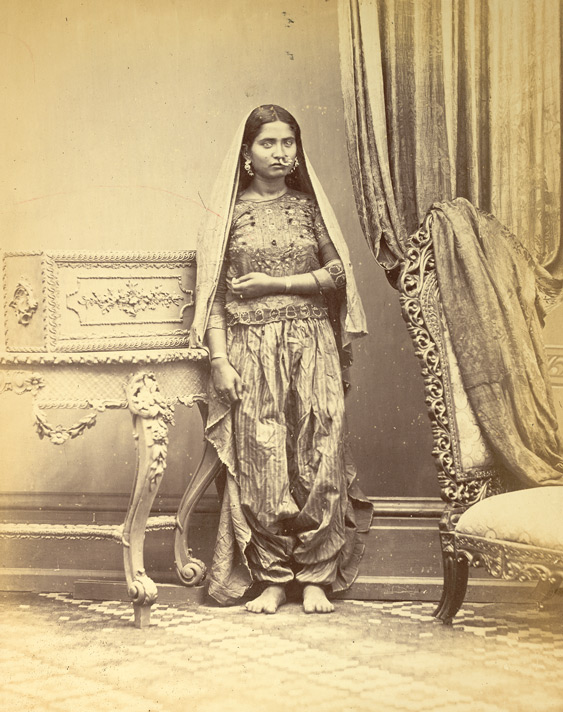
The English word for this garment traces its roots to South Asia. It derives from the Hindi word पजामा (pajāmā) and ultimately from Persian پايجامه, meaning leg garment or loose trousers. Europeans adopted the term in the 18th and 19th centuries as contact with South Asia increased, and the concept of loose sleeping clothes spread and evolved into modern pajama styles.
Uses, cultural context and notable facts
Pajamas serve both practical and cultural roles: they provide warmth and modesty at night, protect bedding from body oils, and can reflect fashion trends when worn as loungewear. In many cultures, certain pajamas are associated with childhood or home life. Hospitals and some care settings use standardized sleepwear for safety and hygiene. Notable modern trends include celebrity-branded sets and the use of pajama-inspired garments in informal daytime outfits.
Care and selection
Choosing pajamas depends on season, personal comfort and any skin sensitivities. Care instructions vary by material: most cotton and blended fabrics tolerate machine washing, while silk and some knits may need gentle cycles or hand washing. Prioritize fit that allows movement and proper ventilation to support restful sleep.
- Common types: two-piece sets, nightshirts, onesies, thermals.
- Common materials: cotton, flannel, silk, synthetics.
- Considerations: warmth, breathability, ease of care, cultural norms.
For concise comparisons and buying guidance, examine fabric labels and intended use—sleep, lounging or everyday loungewear—before purchasing.
Additional resources and discussions on regional terminology, fabric properties and historical usage can be found through specialist textile and cultural references (spelling variants, garment types, personal habits).
Related articles
Author
AlegsaOnline.com Pajamas: clothing for sleep and relaxation Leandro Alegsa
URL: https://en.alegsaonline.com/art/74047