
Overcoat: long outer garments for warmth and style
An overcoat is a long, warm coat worn over other clothing. This article explains characteristics, common styles, history, uses, and how overcoats differ from related outerwear.
Overview
An overcoat is a long outer garment designed to be worn over indoor clothing for protection against cold, wind, and light precipitation. Traditionally made of heavy materials such as wool, cashmere, camel hair or fur, overcoats extend below the knee and are cut to accommodate layers underneath. Garments that end at or above the knee are often classified as topcoats or short coats rather than full overcoats.
Image gallery
10 Images

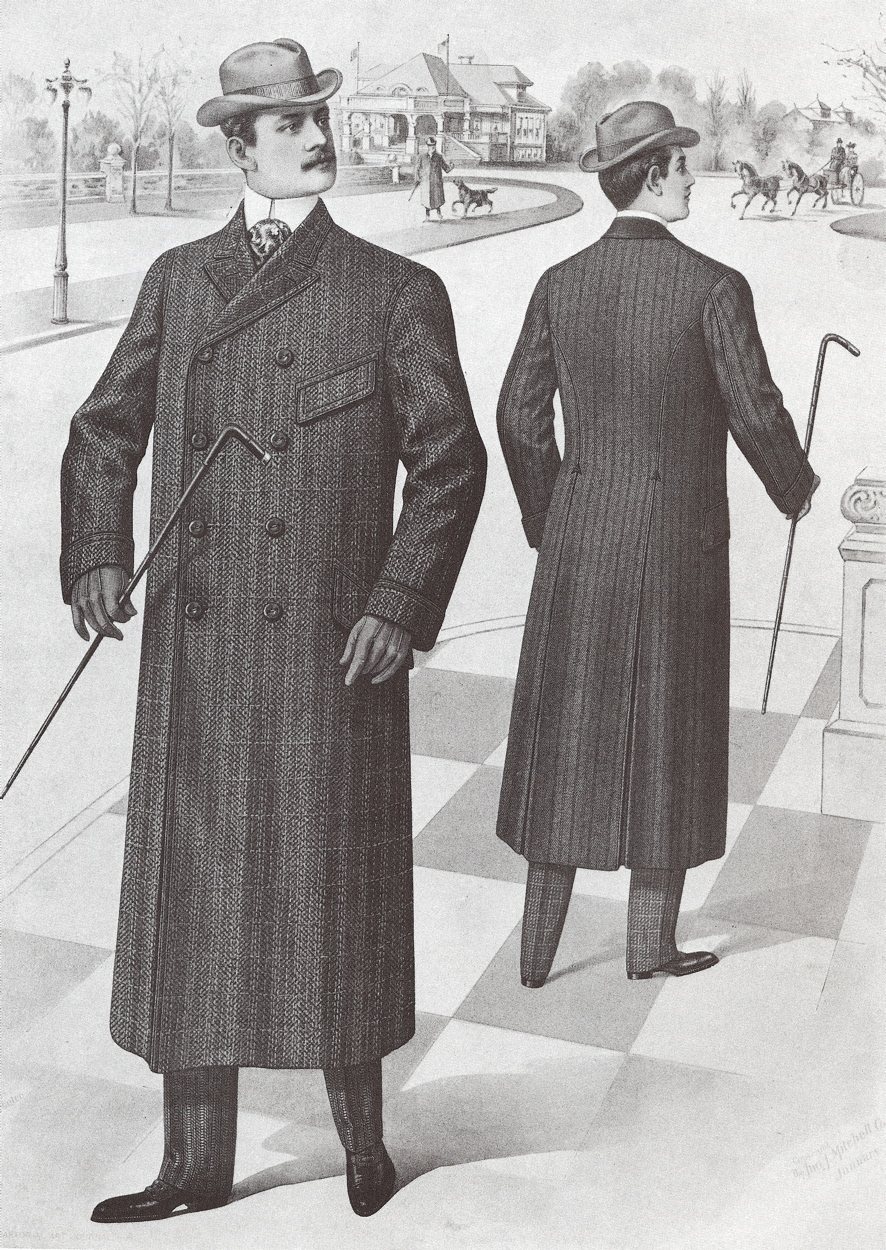


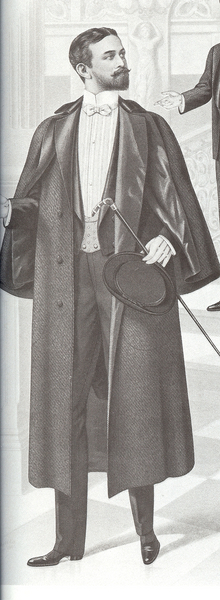
Characteristics and construction
Key features of an overcoat include its length, insulating fabric, and structured silhouette. Closures may be single- or double-breasted with buttons, or occasionally hidden fastenings and belts. Collars vary from notched and peaked lapels to shawl collars; many overcoats include storm flaps, shoulder straps, or large pockets suited for gloves and other winter accessories. Lining materials and interlinings add warmth and help the coat keep its shape.
Common styles
- Chesterfield — a classic, tailored single- or double-breasted coat with a clean, formal appearance.
- Greatcoat — a heavier, military-derived coat often with extra panels and a fuller cut for warmth.
- Ulster — a long, sometimes belted coat with a fuller pleated back and a practical working style.
- Topcoat — shorter than a traditional overcoat, ending near the knee and intended for milder conditions.
History and development
Overcoats evolved from practical outer garments used for warmth and protection in pre-modern and military dress, becoming standard winter wear in civilian wardrobes as textile production advanced. Styles changed with tailoring traditions and social fashions, moving from bulky, utilitarian garments to more refined, fashion-conscious designs while retaining their protective function.
Uses, care and distinctions
Overcoats are both functional and sartorial: they protect against cold weather and complete a formal or casual outfit. Choosing an overcoat involves considering length, fit (room for layering), fabric weight and lining. Modern alternatives include insulated parkas and down coats for extreme cold; trench coats and raincoats serve for wet weather but are usually lighter and shorter. For guidance on related outerwear and buying tips, see more about coats.
Questions and answers
Q: What is an overcoat?
A: An overcoat is a long coat worn over other clothes, typically made from warm, heavy cloth or animal fur.
Q: How long are overcoats?
A: Overcoats typically extend below the knee in length.
Q: What is a topcoat?
A: A topcoat is a coat that is knee length.
Q: How long have overcoats been worn?
A: Overcoats have been worn for hundreds of years.
Q: Why did many armies dress their soldiers in overcoats during the winter?
A: Many armies dressed their soldiers in overcoats during the winter to keep them warm.
Q: What are some types of overcoats?
A: Some types of overcoats include pea coats, trench coats, duffel coats, and topcoats.
Q: Are overcoats only made from heavy cloth?
A: No, overcoats can also be made from animal fur.
Related articles
Author
AlegsaOnline.com Overcoat: long outer garments for warmth and style Leandro Alegsa
URL: https://en.alegsaonline.com/art/73713
Sources
- gentlemansgazette.com : "The Covert Coat"