
Near-threatened species
Near-threatened (NT) is a conservation status describing species close to qualifying for a threatened category. It signals the need for monitoring and preventive conservation to avoid future decline.
Near-threatened (abbreviated NT) is a conservation status applied to species or other taxonomic units that are close to meeting the criteria for a threatened category but are not currently considered Vulnerable, Endangered or Critically Endangered. The label is intended to highlight taxa that face risks in the near future if pressures continue or increase. Many national and international lists, including the IUCN Red List, use this category as part of a wider framework of risk assessment; see the IUCN Red List for context: IUCN Red List.
Image gallery
10 Images

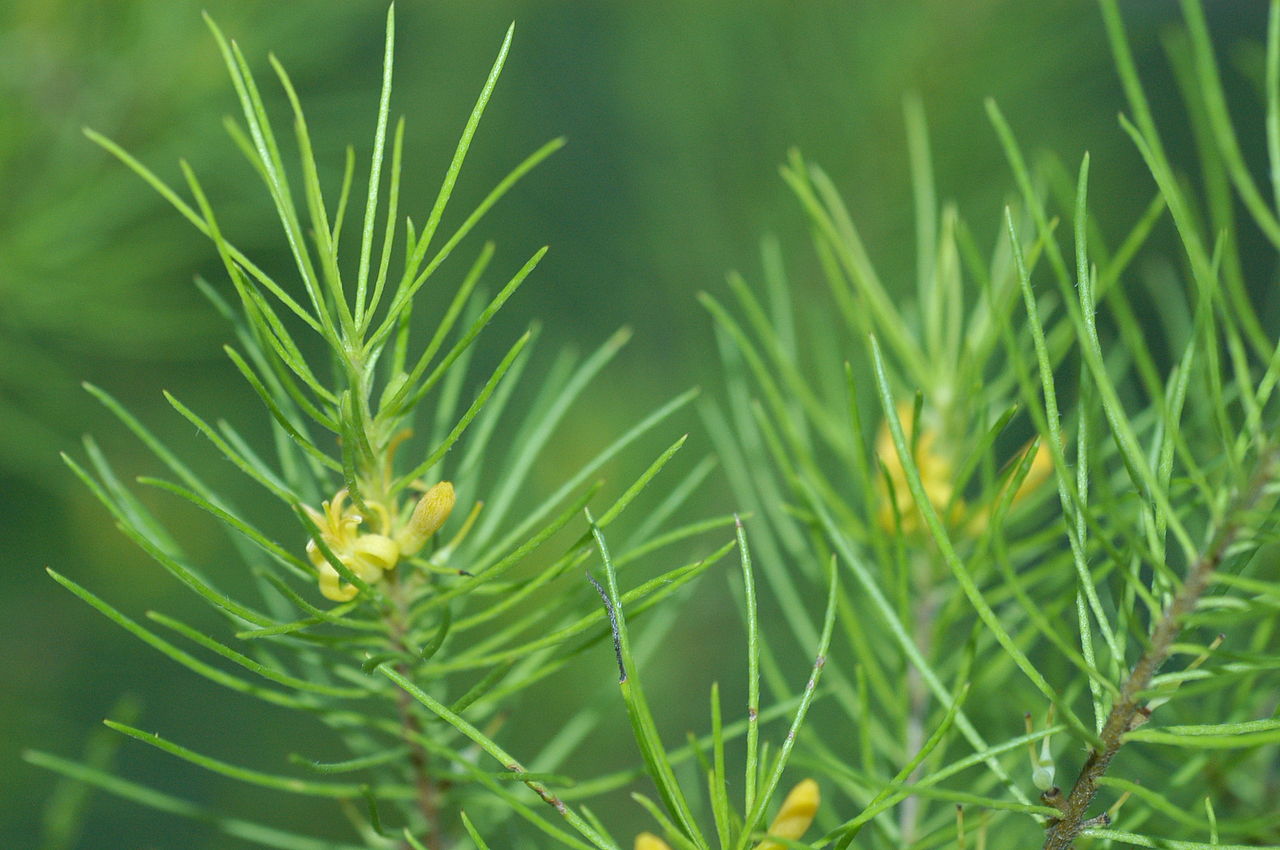


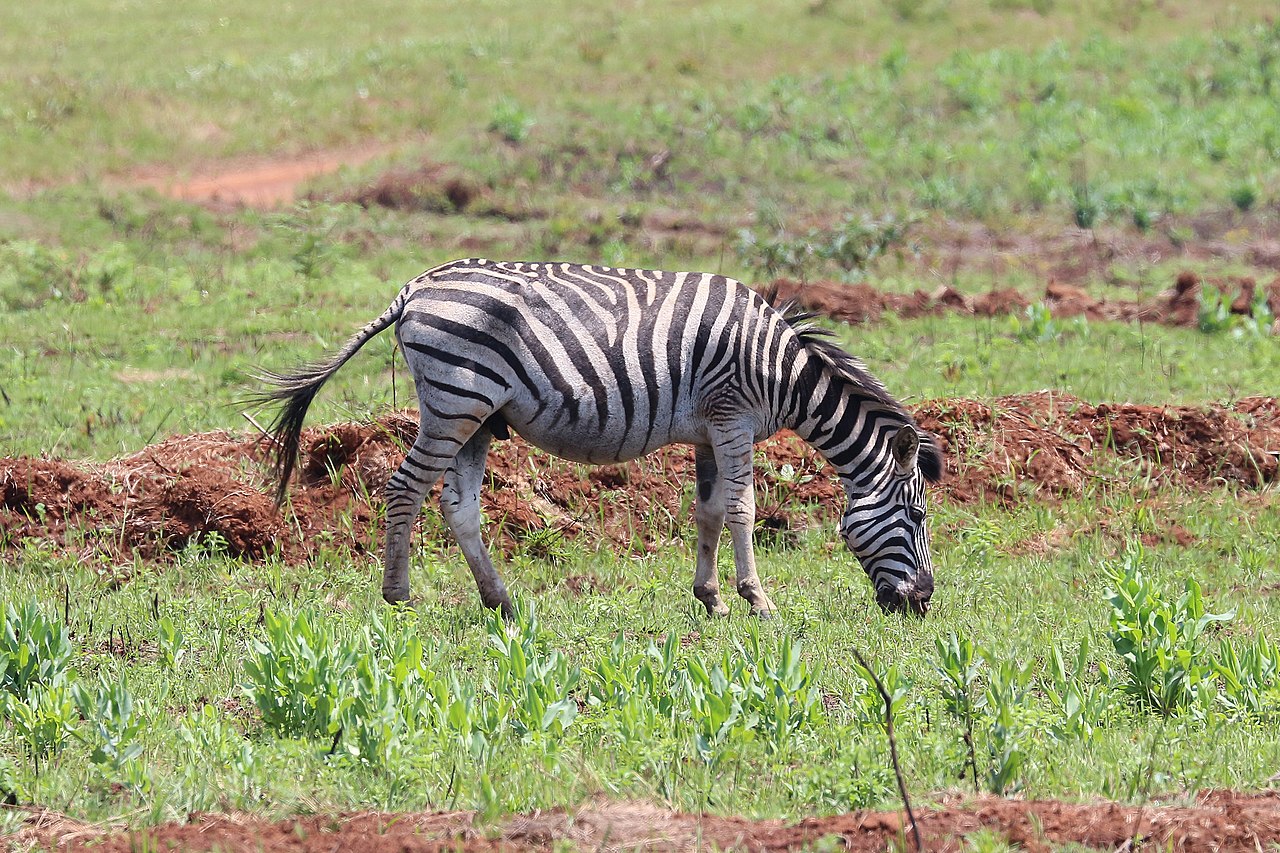
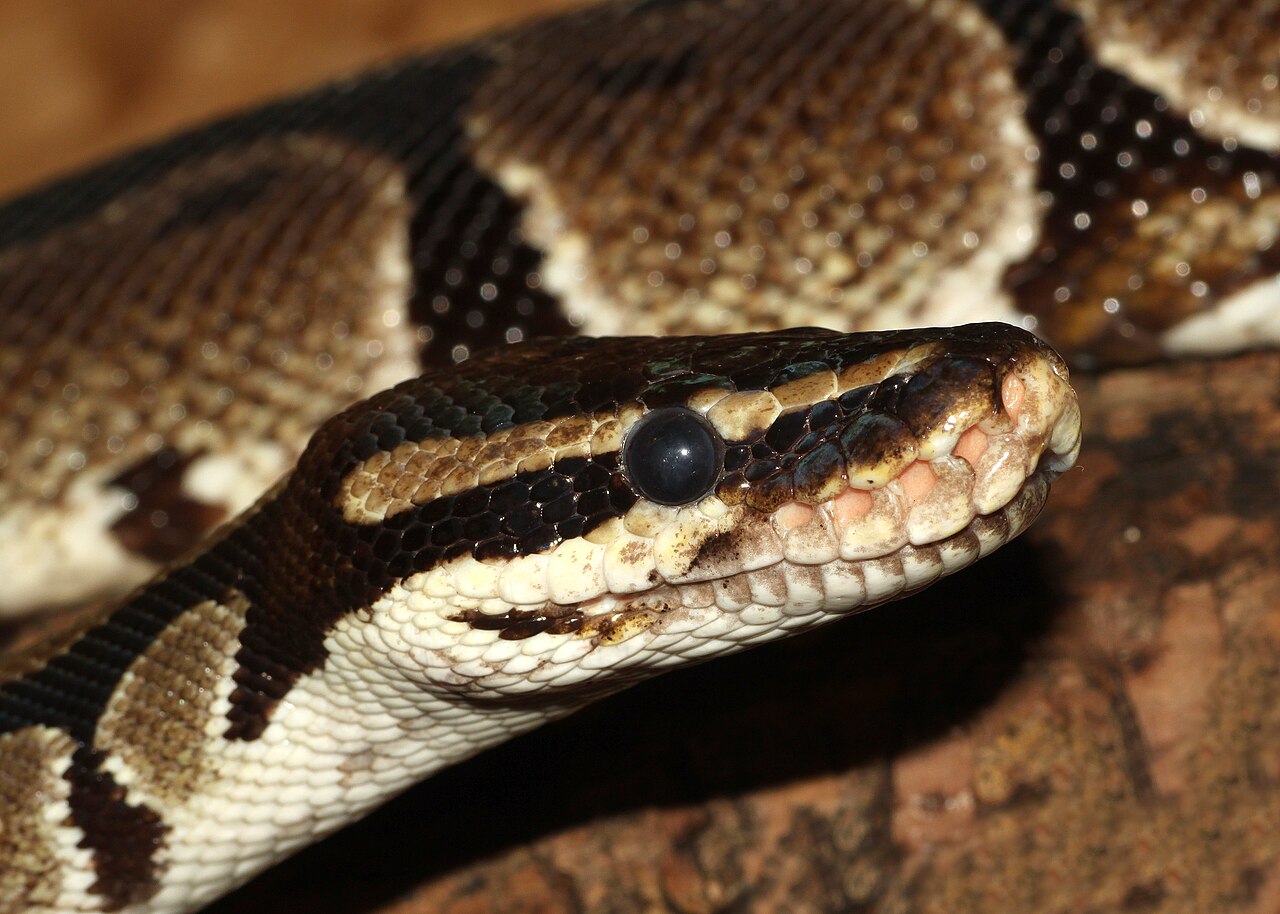


Definition and distinction
Near-threatened differs from both Least Concern and the formal threatened categories. A Least Concern species shows no immediate sign of substantial decline, whereas a Near-threatened taxon shows indications—such as shrinking range, falling population numbers, or increasing threats—that it may soon satisfy quantitative thresholds for Vulnerable. It is a precautionary classification: NT does not mean the species is currently threatened, but that it warrants attention. For an overview of threat categories and their meanings, see threat category guidance.
Assessment criteria and process
Assessors evaluate multiple factors when assigning NT, including population size and trend, geographic range and fragmentation, and the intensity of known threats. The decision relies on published criteria that set numerical thresholds for Vulnerable and other categories; taxa judged to be close but not quite meeting those thresholds may be placed in NT. Assessments are regularly reviewed and can be updated as new data become available. Regional and national red lists apply similar concepts adapted to local circumstances; more on assessment methods is available at assessment criteria.
Conservation value and actions
Listing a taxon as Near-threatened helps prioritize monitoring and preventive measures before the species becomes officially threatened. Typical conservation responses include improved population monitoring, habitat protection or restoration, threat mitigation (for example controlling invasive species or pollution), and targeted policy or land-use changes. Early intervention can be more cost-effective than emergency responses after a species becomes Vulnerable or Endangered. Practical guidance and case studies on preventive conservation can be found here: conservation action resources.
It is important to note that Near-threatened is a distinct category and does not include Vulnerable taxa; Vulnerable is a formally threatened category with its own criteria. NT can be a transient status: some species recover to Least Concern after successful measures, while others deteriorate into Vulnerable if pressures intensify. For summaries of categories and how they relate, consult category explanations: IUCN category details.
- Purpose: Early warning to focus monitoring and preventive conservation.
- Scope: Applies to species and lower taxonomic units across plants, animals and fungi.
- Outcome: Can trigger targeted actions to avoid progression to threatened status.
Related articles
Author
AlegsaOnline.com Near-threatened species Leandro Alegsa
URL: https://en.alegsaonline.com/art/68932
Sources
- intranet.iucn.org : "Guidelines for Using the IUCN Red List Categories and Criteria, PDF"