
Conflict: causes, types, history, consequences and resolution
An overview of conflict: definitions, forms, historical development, typical consequences, and common ways to manage or resolve disputes across individuals, groups, and societies.
Overview
A conflict is any struggle, contest, or clash between opposing forces, needs, interests, values or ideas. Conflicts can be internal, occurring within a single person as competing desires or beliefs, or external, involving two or more people, groups, states or institutions. In many contexts the term also applies to clashes of opinion or ideology, where disagreement is expressed through debate, persuasion or rivalry over ideas.
Image gallery
3 Images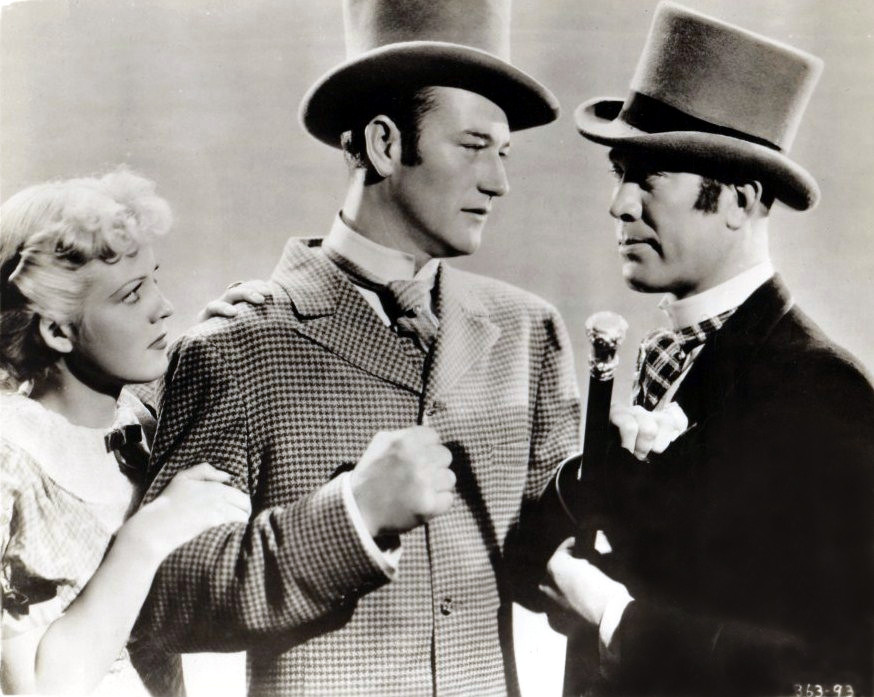


Characteristics and common types
Conflicts differ in scale, intensity and means of expression. They can be short-lived or chronic, and they may be resolved peacefully or by coercion. Typical categories include:
- Internal (intrapersonal) conflict: competing values, goals or emotions inside an individual.
- Interpersonal conflict: disputes between two people over resources, expectations or misunderstandings.
- Intergroup and organizational conflict: clashes between teams, departments, social groups or communities.
- International or armed conflict: disputes between states or large groups that may escalate into violence or war (see wars).
- Ideological and cultural conflict: competition over beliefs and narratives, often advanced through rhetoric or information campaigns (propaganda).
Origins and historical context
The word has Latin roots that evoke confrontation and struggle. Throughout history, competing needs and scarce resources have been central causes: access to land, wealth, security and political power frequently trigger disputes. Conflicts based on differing values, religious convictions or political projects also recur across periods and societies. Modern states and institutions developed many formal mechanisms to channel or contain conflicts as societies became more complex.
Consequences and examples
Outcomes range from constructive change to destruction. Productive conflict can stimulate innovation, clarify priorities and strengthen relationships when managed well. Destructive conflict can cause injury, economic loss, displacement and long-term distrust. When force is used, conflicts may involve weapons and military tactics in violence; when they are primarily about ideas they rely on persuasion and media tools instead. Many everyday disputes arise from unmet needs or incompatible values.
Resolution, management and distinctions
Approaches to resolving conflict include negotiation, mediation, legal processes and reconciliation. Effective resolution often requires communication, problem‑solving and mechanisms to address underlying causes rather than symptoms. When parties lack means to reconcile, a dispute can persist or escalate; conversely, structured dispute resolution reduces the chance of harm and supports durable agreements about the conflict.
Related articles
Author
AlegsaOnline.com Conflict: causes, types, history, consequences and resolution Leandro Alegsa
URL: https://en.alegsaonline.com/art/22488