
Natural resource: definition, types, uses, and management
A natural resource is any material or energy source obtained from the natural environment for human use. This article explains types, extraction, history, uses, and distinctions between renewable and nonrenewable resources.
A natural resource is any material or form of energy provided by the natural environment that people use to meet needs and support economic activity. Definitions vary by discipline, but most emphasize origin in nature and potential human utility. Examples often cited include air, water, wood, mineral fuels, metals and renewable flows. A plain description of source and use can be found at natural environment references.
Image gallery
7 Images

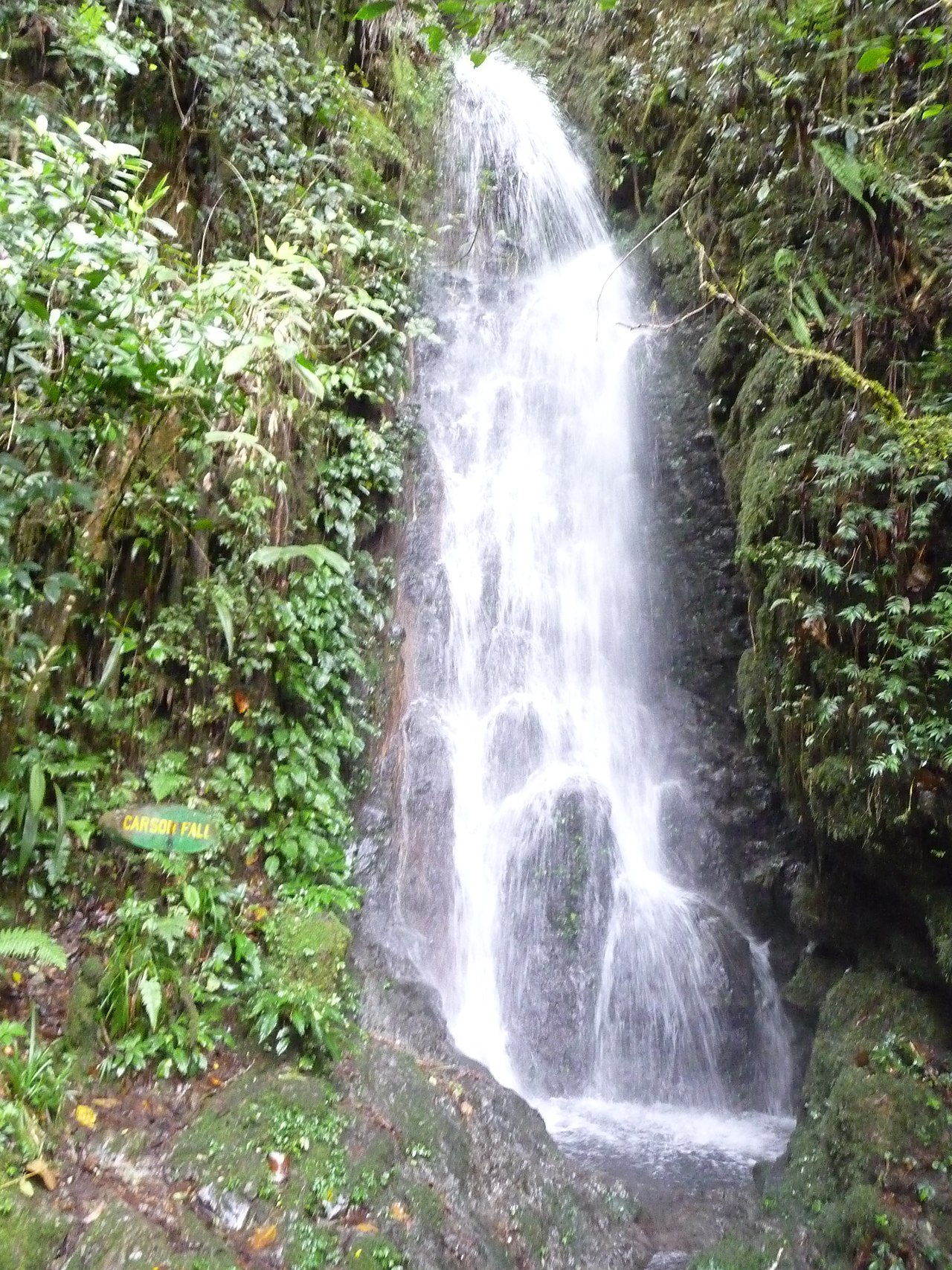
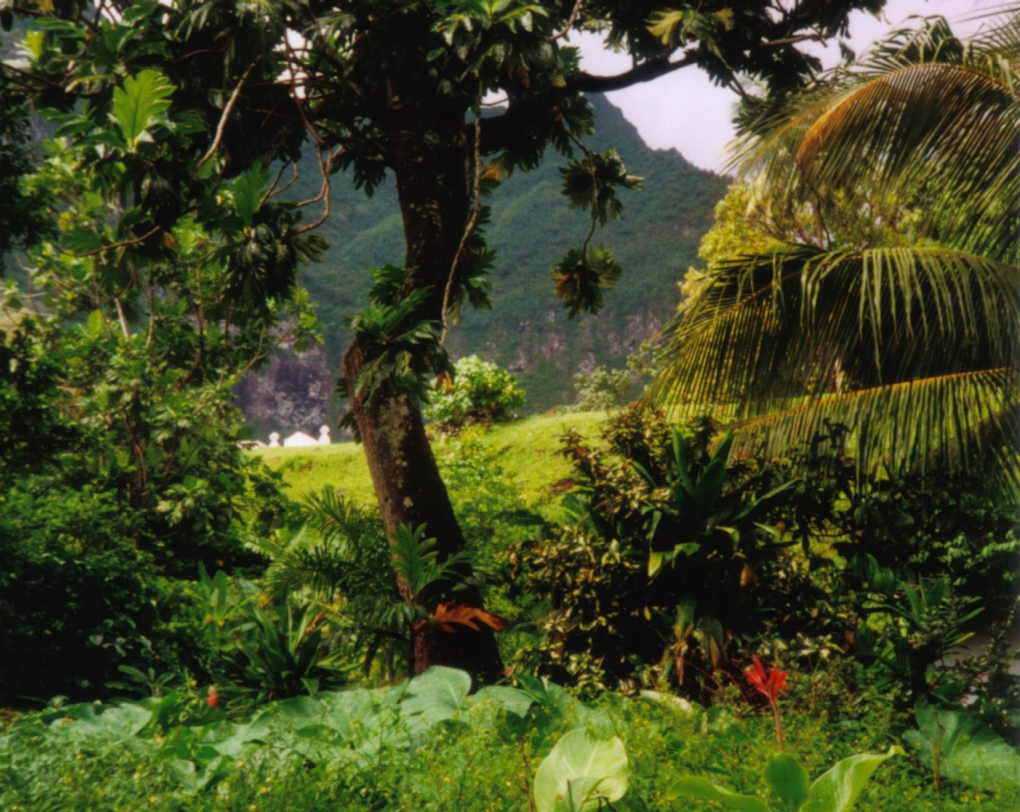


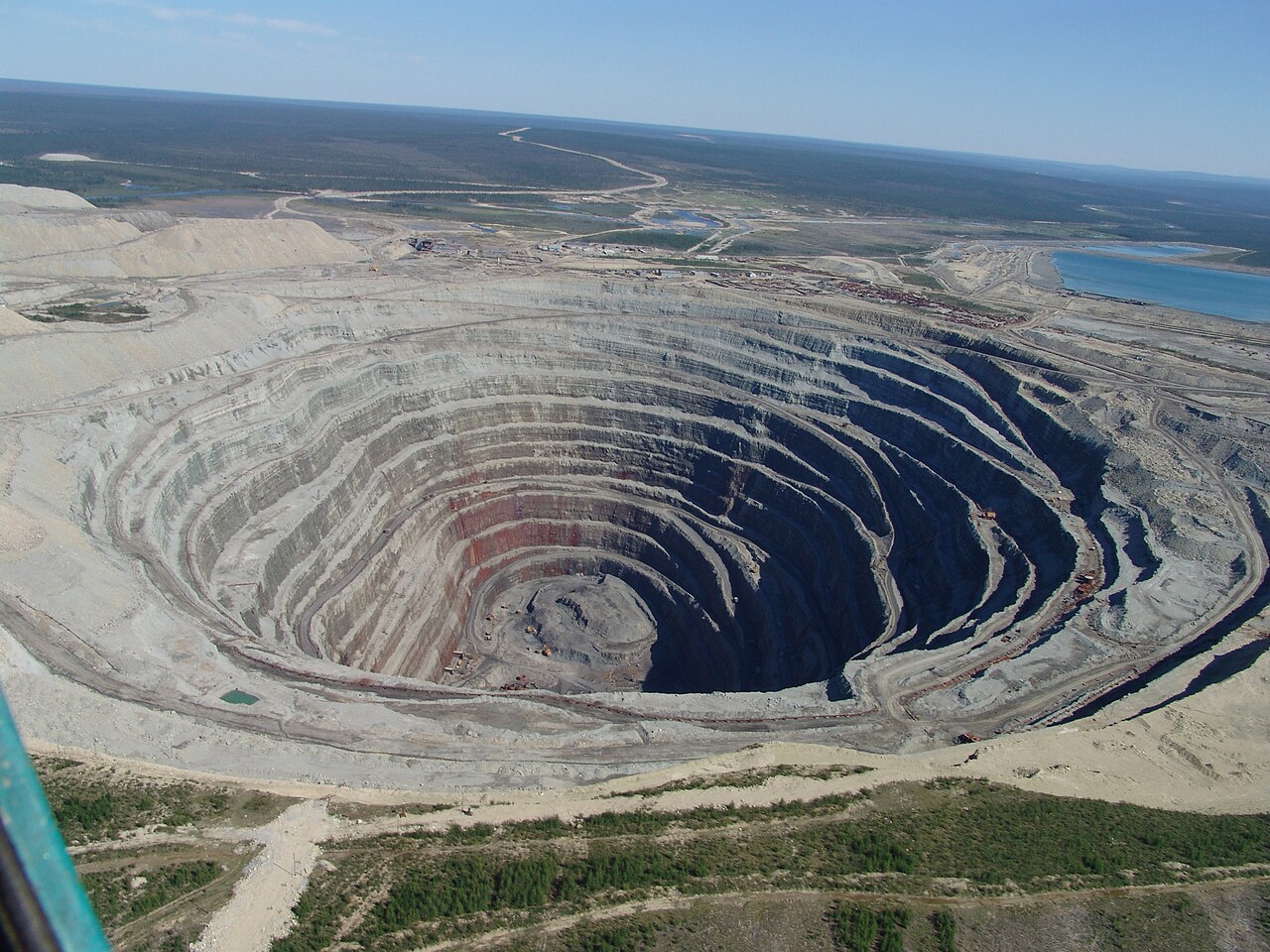
Types and characteristics
Natural resources are commonly grouped by renewability, composition and typical uses. Two broad categories are:
- Renewable resources — sources that can be replenished on human timescales or sustained by natural cycles, for example moving air used for wind energy, flowing water, and forests managed for wood.
- Nonrenewable resources — materials formed over geological time that cannot be replaced within a human lifespan, such as petroleum, coal, and many metal ores like iron.
Other distinctions include biotic vs abiotic (living-origin versus inorganic), and raw versus processed: many natural resources require transformation before use, so their role in the economy depends on both availability and technology.
Extraction, processing and technology
Natural materials are often harvested, extracted or collected and then processed. For example, moving water can generate power only after installation of turbines in a hydroelectric system. Crude petroleum and iron ores must be refined or smelted to make fuels and metals—crude oil becomes fuels and chemical feedstocks, while processed ore yields steel. Nuclear power relies on concentrated metallic nuclear fuel derived from elements such as uranium and, in some contexts, plutonium, which require intensive industrial processing.
History, governance and sustainability
Human societies have used natural resources since prehistory for shelter, food and tools; large-scale extraction and trade expanded with agriculture and accelerated during the Industrial Revolution. Over time, growing demand and improved technology have raised concerns about depletion, pollution and ecosystem impacts. Modern management mixes regulation, economic instruments and conservation to balance use with renewal: practices include protected areas, sustainable forestry, water allocation systems and efforts to reduce fossil fuel dependence.
Uses, importance and examples
Natural resources underpin nearly every sector: agriculture depends on soil and water, construction on timber and minerals, energy systems on fuels, wind and hydrological flows, and manufacturing on metals and industrial minerals. Their availability shapes local economies, geopolitics and development paths. Resource-rich regions may gain economic advantage, but they can also face environmental and social challenges known collectively as resource governance issues.
Distinctions and notable facts
The boundary between a natural resource and a human-made or processed good is not always sharp. A flowing river is a resource; electricity generated from it results from human technology. Raw ores are natural until refined into alloys and products. Similarly, decisions about what counts as a resource depend on technology, economics and cultural values: advances can convert previously unusable materials into valuable resources, while scarcity or environmental concern can reclassify some uses as unsustainable.
For readers seeking concise sources or technical summaries, see links to general references and topic pages: environmental overview, air, water, wood, natural gas, iron, coal, hydropower turbines, petroleum, iron ores, steel production, nuclear fuel, uranium, and plutonium.
Questions and answers
Q: What are natural resources?
A: Natural resources are resources that come from the natural environment and can be used by people. Examples include air, water, wood, oil, wind energy, natural gas, iron, and coal.
Q: What is the difference between natural resources and man-made resources?
A: The dividing line between natural resources and man-made resources is not clear-cut. For example, hydro-electric energy is not a natural resource because people use turbines to convert the energy from moving water, while petroleum and iron ores are natural but need work to make them into usable refined oil and steel.
Q: What is atomic energy made from?
A: Atomic energy comes from metallic nuclear fuel, like fissionable uranium and plutonium, but rocks need technical work to make them into these nuclear fuels.
Q: Is wind energy a natural resource?
A: Yes, wind energy is a natural resource because it comes from the natural environment.
Q: Are rocks a natural resource?
A: Yes, rocks are a natural resource because they come from the natural environment.
Q: Are natural resources limited?
A: Yes, natural resources are limited because they come from the natural environment and cannot be infinitely replenished.
Q: Why do natural resources need work to be made into usable products?
A: Some natural resources need work to be made into usable products because they may need to be refined, processed or transformed to make them useful to people. For instance, iron and crude oil are natural resources that need to be refined before people can use it.
Related articles
Author
AlegsaOnline.com Natural resource: definition, types, uses, and management Leandro Alegsa
URL: https://en.alegsaonline.com/art/68777