
National Statuary Hall Collection
A collection of 100 statues in the U.S. Capitol donated by the 50 states to honor notable citizens; two per state, displayed across the Capitol with a history of replacements and artistic variety.
The National Statuary Hall Collection is a group of commemorative statues located throughout the United States Capitol. Each of the 50 U.S. states is invited to donate two statues of distinguished citizens to represent its history and culture. The collection is associated with the United States Capitol and, although it began in a single room, the works are now placed in many public spaces around the building.
Image gallery
3 Images
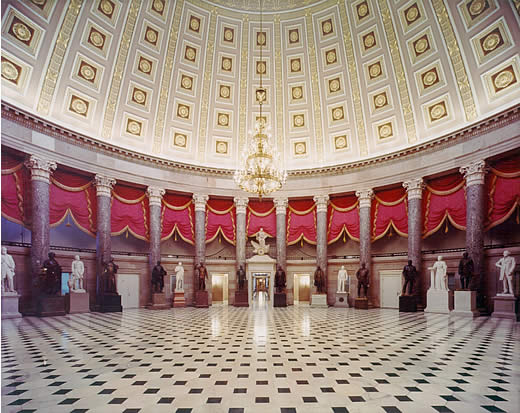
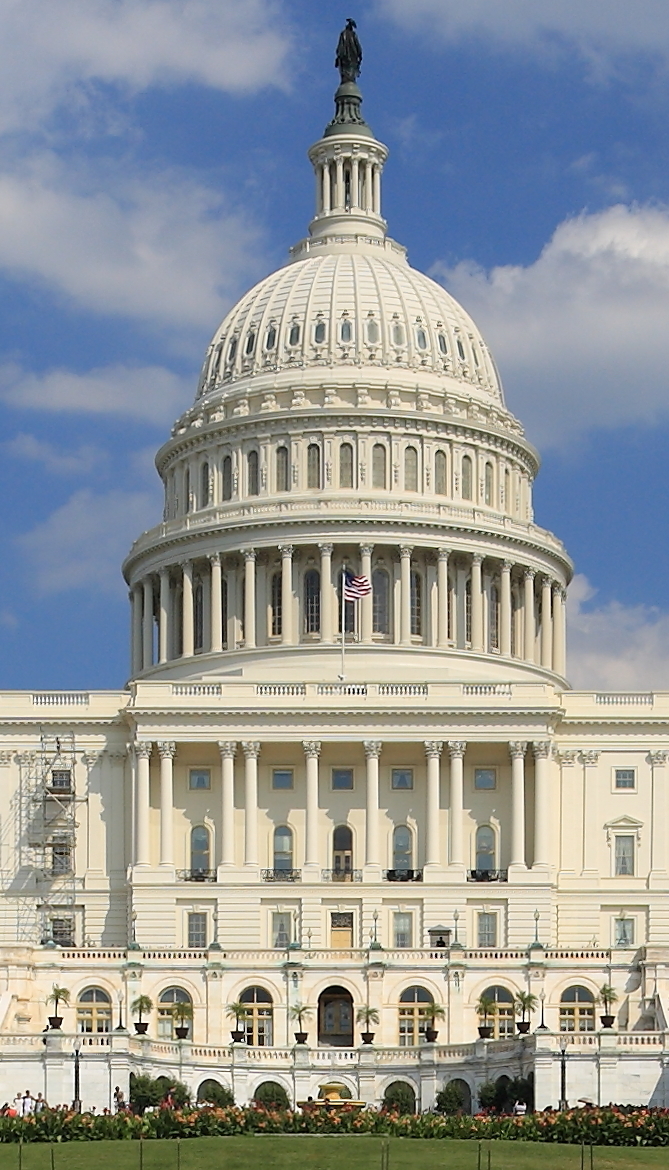
Overview and composition
Congress authorized the collection in the 19th century to allow each state to contribute two figures. By arrangement, those contributions are most commonly carved from marble or cast in bronze, and they include political leaders, military figures, educators, inventors and other prominent citizens. Originally concentrated in the old chamber of the House of Representatives (now called National Statuary Hall), the growing number of statues required redistribution to corridors, niches and other prominent areas of the Capitol to ensure visitor access and conservation.
Selection, installation and replacement
Each state legislature or an appropriate state commission chooses the individuals to be honored and commissions the sculptors and foundries. While many states have left their original choices in place for decades, federal law and congressional procedures allow states to replace a statue if they follow specified processes. This has led to several replacements in recent decades as states reassess who best represents their heritage or wish to honor more widely recognized figures.
History and development
The collection gradually expanded until it reached its current total of 100 statues when New Mexico placed its second figure in 2005. Several states later made formal decisions to substitute one of their originally contributed statues: for example Alabama, Arizona, California, Iowa, Kansas, Michigan and Ohio each replaced an earlier statue after following the required state and federal steps. The most recent widely noted change was when Ohio removed its statue of William Allen and installed a likeness of inventor Thomas Edison in 2016.
Notable aspects and examples
- Subjects span from founding-era statesmen to 20th-century reformers and inventors.
- Materials and styles vary: classical marble portraiture sits alongside realistic bronze figures.
- Decisions to replace statues often reflect changing values, new scholarship or efforts to increase diversity among honored figures.
The National Statuary Hall Collection functions as a rotating civic narrative: while each state may keep two permanent slots, which individuals occupy those slots can change, producing an evolving representation of American memory and identity. Visitors can view many of the statues during Capitol tours and learn how art, commemoration and politics intersect in the nation’s principal legislative building. For further details about specific statues, state contributions and legislative procedures, consult official Capitol resources and state historical commissions represented at the Capitol visitor programs (New Mexico information and other state entries are often provided by those offices).
For quick reference, several states with notable replacements have published background materials about their decisions: see pages for Alabama, Arizona, California, Iowa, Kansas, Michigan and Ohio for individual histories and images. Additional archival and interpretive resources are maintained through congressional and state archives as well as the Capitol's curator offices (Capitol overview).
Related articles
Author
AlegsaOnline.com National Statuary Hall Collection Leandro Alegsa
URL: https://en.alegsaonline.com/art/68703