
New7Wonders of the World (2000–2007)
A privately run global poll (2000–2007) that nominated seven modern wonders from a shortlist of monuments, its process, winners, controversies, and lasting tourism impact.
Overview
The New7Wonders of the World was a public campaign and global poll conducted between 2000 and 2007 to identify seven monuments that would stand as modern "wonders" chosen by popular vote. Initiated by Canadian-Swiss organizer Bernard Weber and run by the New7Wonders Foundation, the project aimed to create a contemporary list of iconic heritage sites distinct from older, historic "Seven Wonders" lists. The final results were announced on 7 July 2007 in Lisbon.
Image gallery
10 Images


Selection process and organisation
The campaign began with an international call for nominations that produced a longlist of about 200 monuments. That longlist was reduced to a group of finalists before the public voting stage. Voting was carried out worldwide through internet ballots, telephone and SMS, allowing individuals to register choices directly. The initiative was managed by a private foundation based in Zurich; proponents described it as funded through private contributions and media rights rather than public budgets. For more on the concept and background see the project's introduction and the early longlist at the shortlist.
Winners
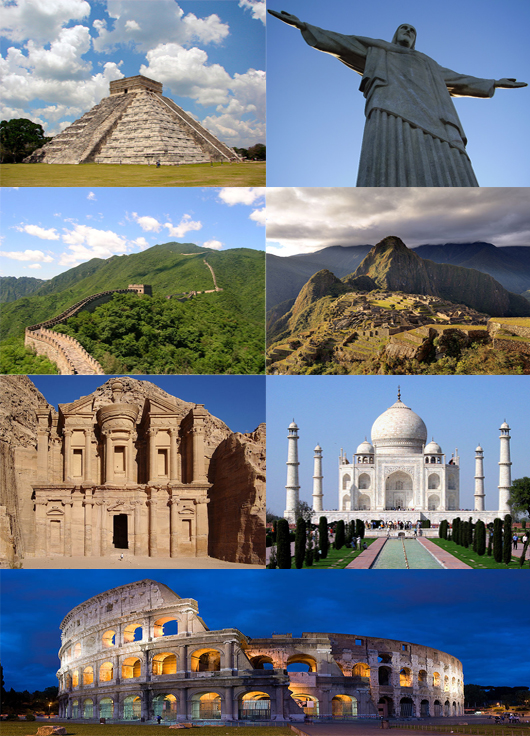
In the final announcement, seven sites emerged as winners and have since commonly been referred to as the New7Wonders. These sites reflect a variety of cultures and eras and include:
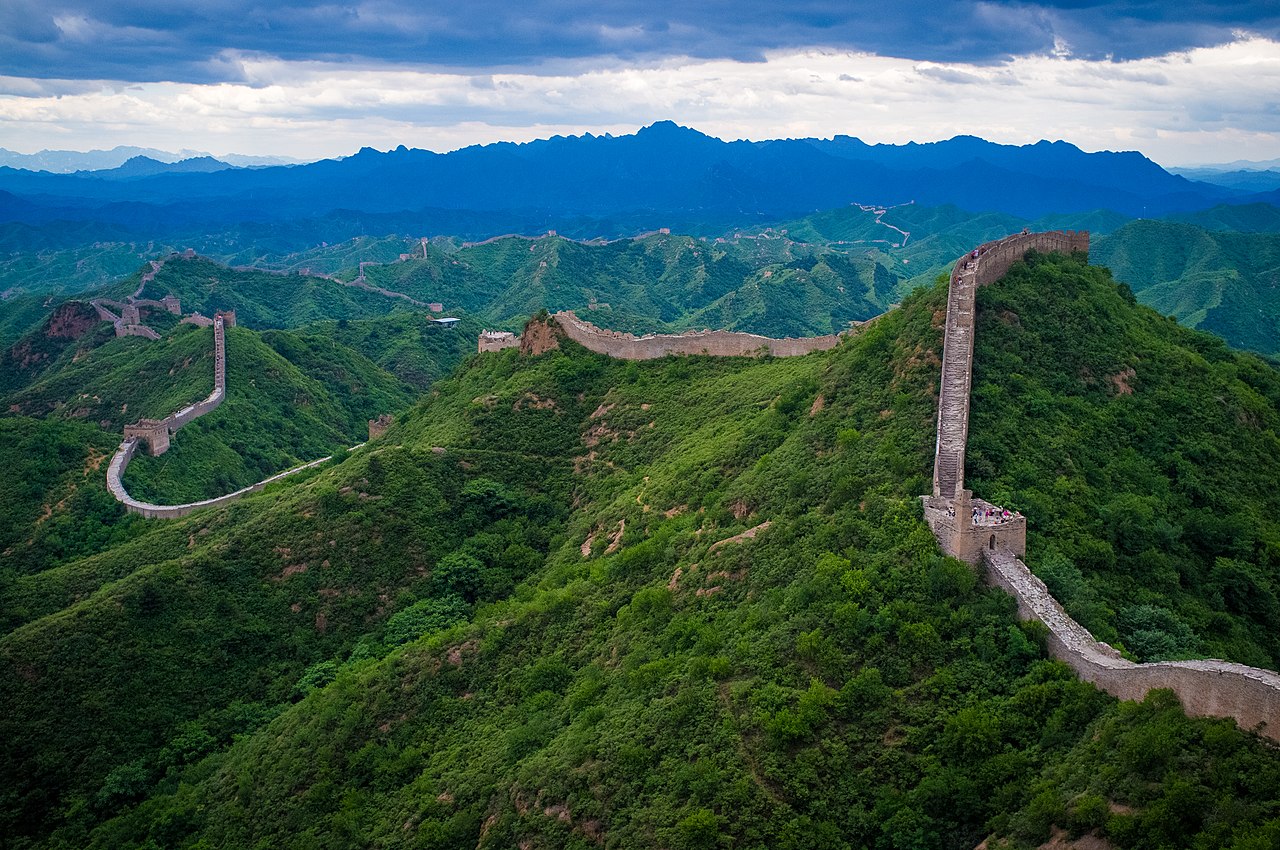
- Great Wall of China
- Petra (Jordan)
- Christ the Redeemer (Brazil)
- Machu Picchu (Peru)
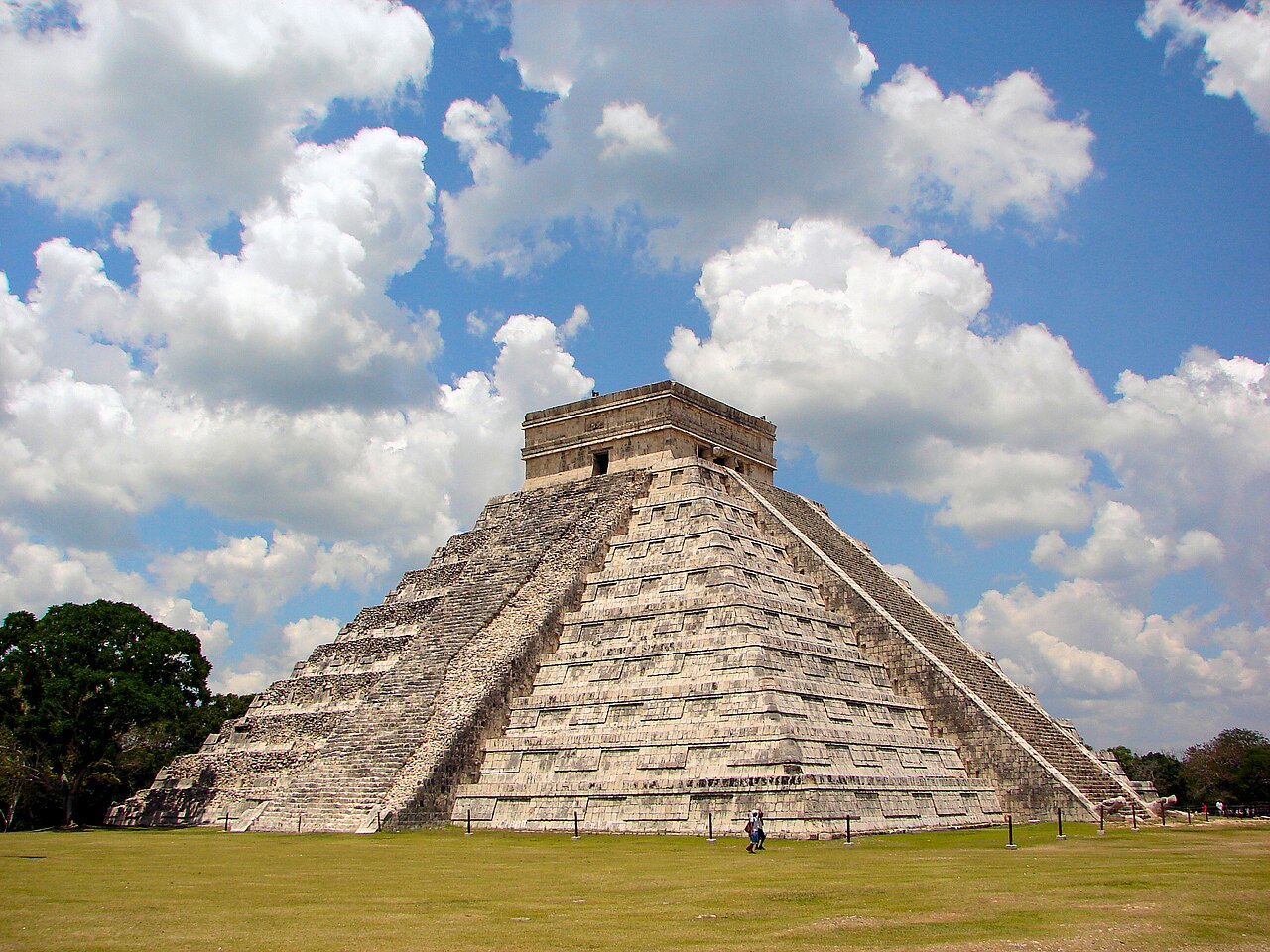
- Chichén Itzá (Mexico)
- Colosseum (Italy)
- Taj Mahal (India)
The declaration in Lisbon was widely reported; the event and its timing are documented in several contemporary accounts and releases by the organisers.
Reception and criticism
The campaign drew substantial global attention and increased visitor interest in many of the nominated sites, but it also provoked criticism. Scholars, cultural organisations and some governments questioned the methodology and whether a popularity contest could substitute for expert assessment. UNESCO and other heritage bodies emphasised that the New7Wonders list was a private, symbolic exercise and did not replace official heritage designations. Critics pointed to unequal access to voting technologies, potential promotional campaigns by participating countries, and concerns about transparency.
Funding, claims and legacy
The foundation stated it operated on private donations and income from media and broadcast arrangements; supporters noted that no public taxpayer funding was solicited. The organisation reported that it recovered little or no surplus from the exercise. For statements on funding and financial outcomes see the foundation's notices about private donations, broadcast rights and advertising, and its summary comments at post-campaign reports. Travel and tourism businesses responded quickly to the list: tour operators and cruise lines highlighted visits to several winners in promotional materials and itineraries.
Notable distinctions
It is important to distinguish the New7Wonders initiative from historical lists of ancient wonders and from formal heritage registers. While the New7Wonders list raised public awareness and stimulated tourism, it remains an informal, privately organised recognition based on popular vote rather than an expert or governmental designation. Further reading and archived materials about the campaign and its stages are available through contemporary coverage and the organisers' releases about the voting, on the foundation and its Swiss base, including the announcement event in Lisbon.
Questions and answers
Q: What is the New7Wonders of the World?
A: The New7Wonders of the World is a selection of seven monuments that were chosen through a popularity poll from a selection of 200 existing monuments between 2000 and 2007.
Q: Who led the New7Wonders of the World popularity poll?
A: The New7Wonders of the World popularity poll was led by Canadian-Swiss Bernard Weber.
Q: Was the New7Wonders Foundation a publicly funded organization?
A: No, the New7Wonders Foundation was not a publicly funded organization. It took only private donations and the sale of broadcast advertising.
Q: When were the winners of the New7Wonders of the World announced?
A: The winners of the New7Wonders of the World were announced on 7 July 2007 in Lisbon.
Q: Did New7Wonders make any profit from the popularity poll?
A: According to the text, New7Wonders said it did not make any money and barely recovered its investment.
Q: What are some of the monuments that are part of the New7Wonders of the World?
A: The text does not provide a list of the monuments that were chosen as the New7Wonders of the World, but they can be seen on various Celebrity Cruises itineraries.
Q: Where was the New7Wonders Foundation based?
A: The New7Wonders Foundation was based in Zürich, Switzerland.
Related articles
Author
AlegsaOnline.com New7Wonders of the World (2000–2007) Leandro Alegsa
URL: https://en.alegsaonline.com/art/69705
Sources
- world.new7wonders.com : "How the New7Wonders movement all began - World of New7Wonders"
- world.new7wonders.com : "The project founder Bernard Weber - A Short History - World of New7Wonders"
- worldcat.org : 0028-9604
- archive.indianexpress.com : "Oh Taj! 7 wonders won't get campaign money"
- latimes.com : The Seven Wonders of the World, 2.0
- world.new7wonders.com : "New7Wonders and UNESCO: Separate organizations, common goals"
- whc.unesco.org : "UNESCO confirms that it is not involved in the "New7Wonders of the World" campaign"
- un.org : "World Votes for New7Wonders"
- diariodigital.sapo.pt : "Sete Maravilhas: Brasil comemora eleição de Cristo Redent"
- world.new7wonders.com : NWOC Pyramids of Giza