
Myrtaceae: the myrtle family of woody, oil‑bearing flowering plants
Myrtaceae is a family of mostly woody, evergreen flowering plants (dicotyledons) noted for oil glands, showy stamens and economic species such as eucalyptus, clove and guava.
Overview
The Myrtaceae, commonly called the myrtle family, is a large group of mostly woody dicotyledons and other plants placed in the order Myrtales. It includes many familiar trees and shrubs that are important ecologically and commercially. The family comprises several thousand species distributed among well over a hundred genera; members occur throughout tropical and temperate regions but are especially diverse in the Southern Hemisphere.
Image gallery
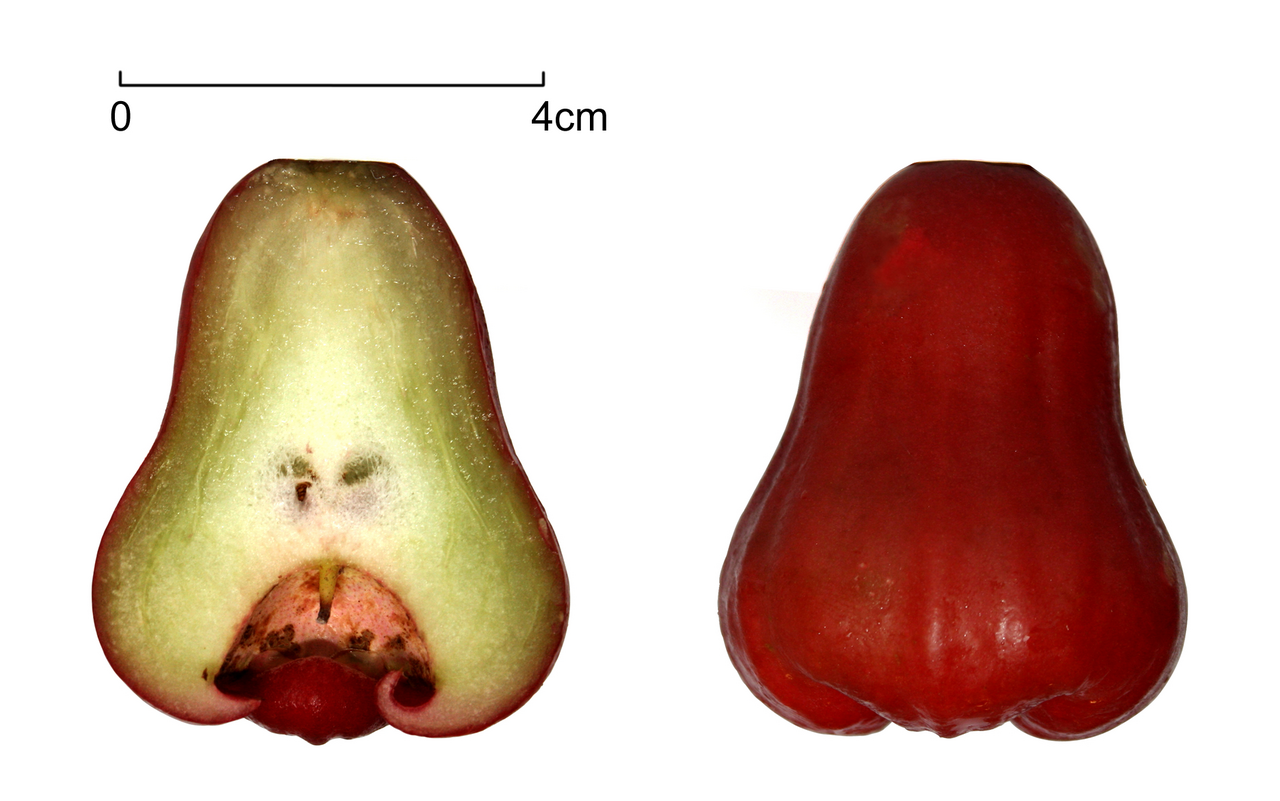
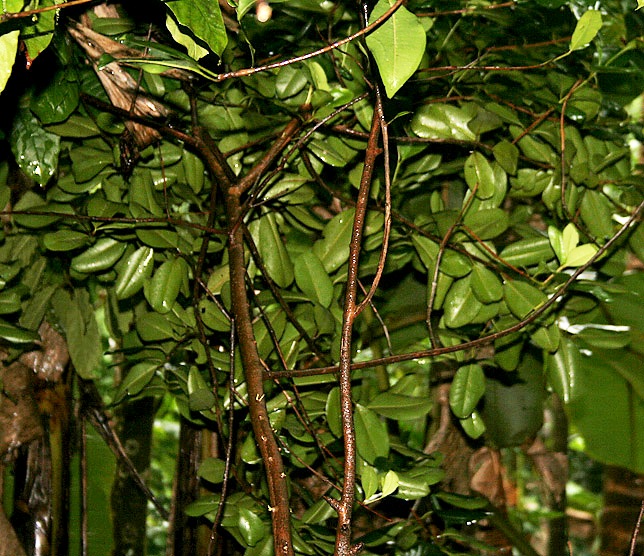
3 Images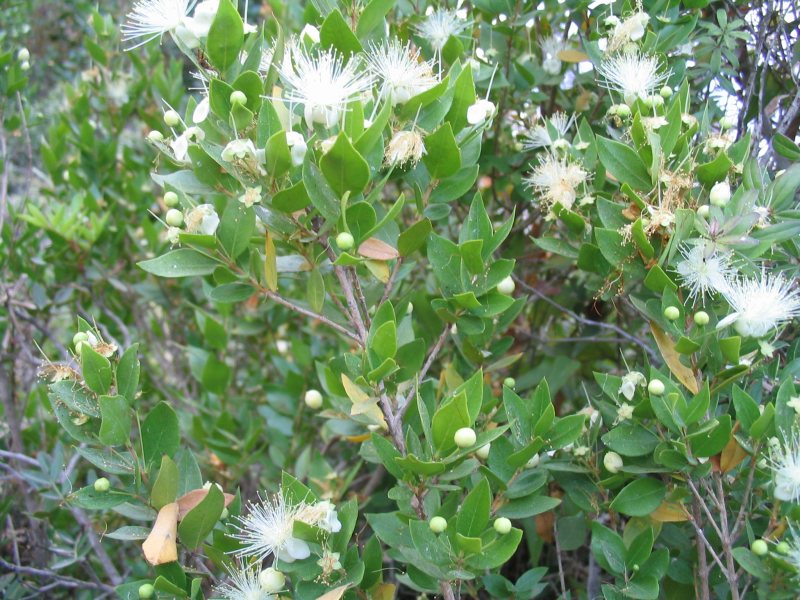
Characteristic features
Myrtaceae are typically evergreen and woody. Leaves are simple, usually without teeth, and arranged alternately or opposite; they commonly contain numerous oil glands that release characteristic aromas when crushed. These essential oils are visible as tiny translucent dots if a leaf is held to the light and are a diagnostic feature when identifying the family. Another distinctive internal anatomical trait is the presence of phloem on both sides of the xylem in the wood—an arrangement uncommon in many other flowering plant families. Overall habit ranges from small shrubs to tall forest trees.
Flowers and reproduction
Flowers in the family show a consistent pattern: parts generally occur in multiples of four or five and the base petal number is often five, though petals can be reduced or absent in some genera. The floral structure is most striking for its many and often brightly colored stamens, which can be more conspicuous than the petals and are important in attracting pollinators. Floral forms and pollination strategies vary widely, supporting insects, birds and other animals depending on the genus and habitat. See general notes on flowers for morphology references.
Notable genera and uses
The family contains a number of economically and culturally important plants. Among them are:
- Eucalyptus — major timber and essential oil trees, especially in Australia.
- Clove (Syzygium aromaticum) — the dried flower bud used as a spice.
- Guava (Psidium) — edible fruits cultivated in tropical regions.
- Feijoa (Acca) — aromatic fruit grown in gardens and orchards.
- Allspice (Pimenta) — another spice derived from Myrtaceae fruit.
- Myrtle and related ornamentals used in landscaping and traditional medicine.
Members supply timber, pulp, aromatic oils, spices and edible fruit. Some genera are cultivated widely for forestry, horticulture and essential oil production.
Distribution, ecology and evolution
Myrtaceae are most diverse in Australia, parts of South America and Southeast Asia, where they occupy forest, woodland and heath habitats. Several lineages, notably eucalypts, have adaptations to fire-prone environments, including resprouting and seed release after fire. Fossil and biogeographic evidence indicate an ancient Southern Hemisphere radiation, with subsequent spread and diversification. In many ecosystems members are keystone canopy species or common understory shrubs.
Identification, taxonomy and notable facts
Practical identification often relies on evergreen leaves with oil dots, woody habit, and the conspicuous stamens of the flowers. Taxonomically the family has been revised repeatedly as molecular data clarified relationships; however, its cohesion is well supported. For general plant anatomy consult resources on leaves and evergreen plant habits. The family’s mix of ornamental, culinary and industrial uses makes it important both locally and globally. For further reading on order-level context see Myrtales and specialist accounts of dicotyledons.
Brief additional links: wood anatomy and phloem/xylem details are summarized at phloem notes and xylem notes, while floral morphology guides are referenced at flower morphology and stamen structure.
Related articles
Author
AlegsaOnline.com Myrtaceae: the myrtle family of woody, oil‑bearing flowering plants Leandro Alegsa
URL: https://en.alegsaonline.com/art/67993