
Myrtales: an order of flowering plants
Myrtales is an order of flowering plants within the eudicots, including familiar trees, shrubs and herbs such as eucalyptus, guava and evening primrose. The group is ecologically and economically important.
The Myrtales are a recognized order of flowering plants and form part of the broad eudicot lineage. Members range from herbaceous species to shrubs and large trees and occur worldwide, with especially rich representation in tropical and southern-hemisphere floras. Well-known genera include Eucalyptus, Psidium (guava), Syzygium (clove), Oenothera (evening primrose) and Punica (pomegranate). For an overview of plant orders see order of flowering plants.
Image gallery
3 Images

Key characteristics
- Leaves are often opposite or alternate and may show distinctive oil glands or aromatic compounds visible as translucent dots.
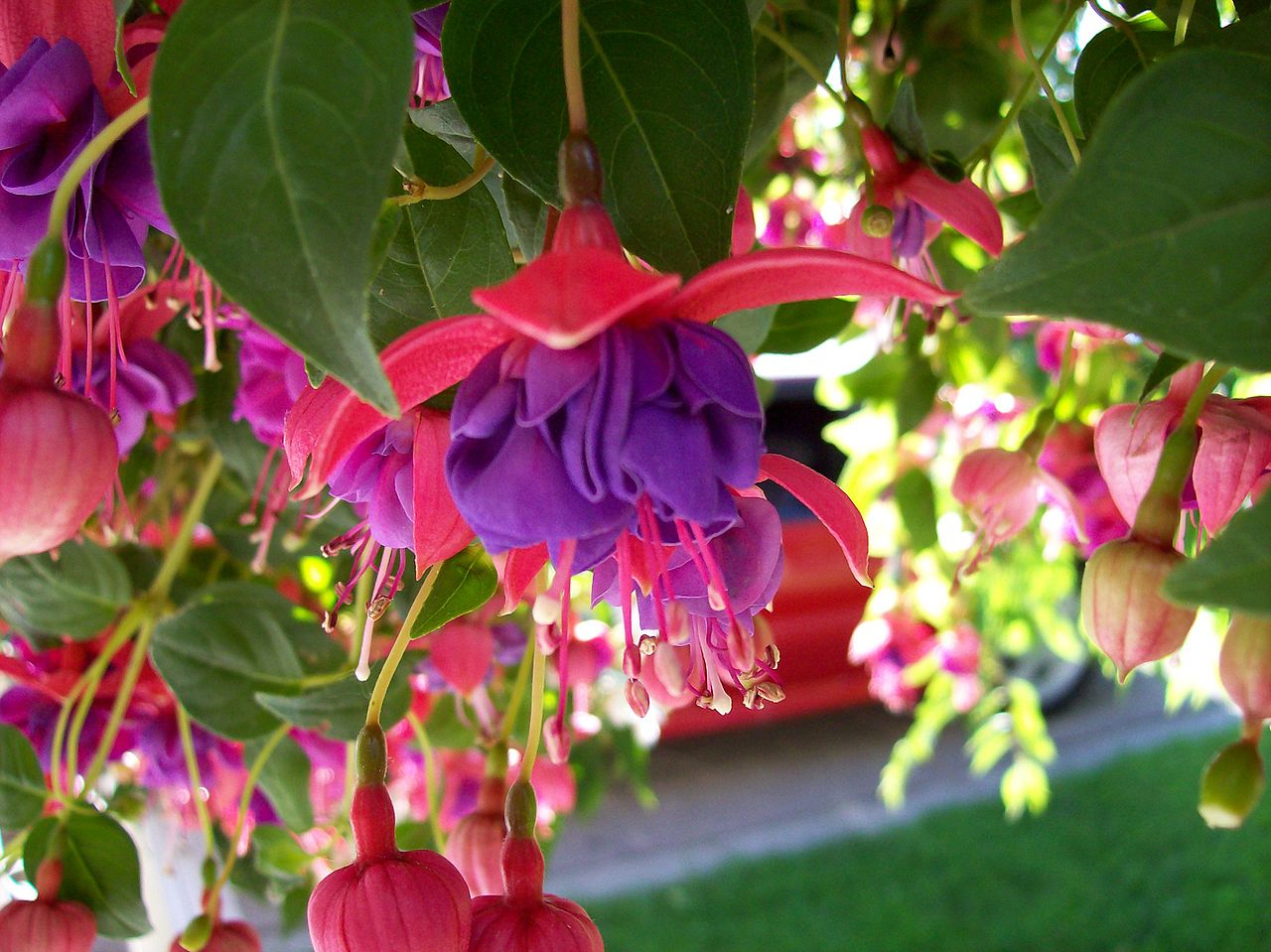
- Flowers are typically actinomorphic and bisexual; many taxa have a well-developed hypanthium (floral cup) and numerous stamens.
- Ovary position and fruit types vary across families, producing capsules, berries, drupes or nuts.
- Growth forms span herbs, lianas, shrubs and trees, with many woody evergreen species in humid regions.
In botanical classification Myrtales are treated as a clade within the larger group of dicotyledonous plants; modern molecular studies have clarified relationships that older morphology-based systems left uncertain. For background on the broader grouping see dicotyledons and on early diverging lineages see basal groups.
Fossil and molecular evidence suggest that the Myrtales diversified early in the history of modern flowering plants, with major radiations by the time modern continents began to take their present shapes. Advances in DNA sequencing over the last few decades have reshaped family boundaries and improved our understanding of how genera within the order are related.
Economic and ecological importance is significant: members supply timber, essential oils, spices, fruits and ornamentals. Eucalyptus species are important for timber and biomass; several Myrtaceae provide perfumery and medicinal oils; Onagraceae includes horticulturally popular evening primroses; some Lythraceae produce edible fruits used locally and commercially.
When studying Myrtales it is useful to note distinguishing features (oil glands, floral structure and fruit type) and that family circumscription has changed with molecular data. The order remains a focal point for research on tropical diversity, plant chemistry and the evolution of woody lineages.
Related articles
Author
AlegsaOnline.com Myrtales: an order of flowering plants Leandro Alegsa
URL: https://en.alegsaonline.com/art/67994