
Essential oil
Concentrated volatile extracts from plants used for scent, flavor and traditional therapies; covers composition, extraction, uses, safety and common distinctions.
An essential oil is a concentrated liquid extract obtained from parts of a plant, such as flowers, leaves, bark, roots or peels. These oils are rich in volatile chemical compounds that give each oil its characteristic aroma and contribute to its volatility and interaction with biological tissues. They are widely used in perfumery and personal care, as well as in traditional and modern wellness practices.
Image gallery
3 Images
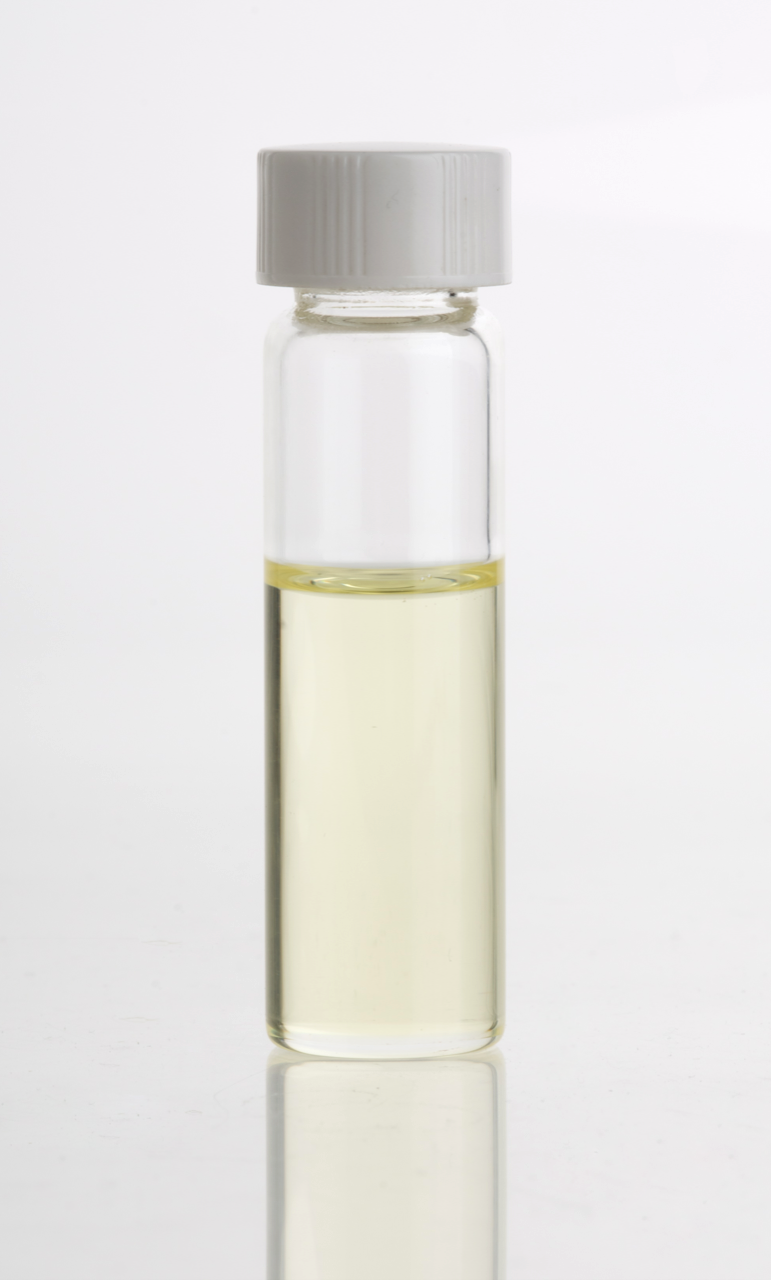

Characteristics and composition
Essential oils are complex mixtures of terpenes, alcohols, esters, aldehydes and other small organic molecules. A single oil may contain dozens to hundreds of individual constituents; the relative proportions determine fragrance, stability and potential biological activity. Because they are volatile, essential oils evaporate at room temperature and may be perceived by the olfactory system at low concentrations. They are hydrophobic and typically concentrate in a carrier such as a fixed oil for topical use.
Production and common methods
- Steam distillation: the most common industrial method for extracting volatile oils from plant material.
- Cold pressing: used mainly for citrus peels to recover fragile, heat-sensitive components.
- Solvent extraction and CO2 extraction: applied when distillation yields little or when a fuller aromatic profile (an absolute) is desired.
- Hydrodistillation and enfleurage: traditional or artisanal techniques for delicate flowers.
Uses and examples
Essential oils are employed in multiple domains. In aromatherapy they are inhaled or diffused to influence mood and perception; this practice is commonly referred to as aromatherapy. The fragrance industry blends oils into perfumes and cosmetics. Some oils are used as natural flavoring agents in food and beverages at very low concentrations. Outside personal care, certain oils are explored for roles as natural fungicides, insecticides or preservatives, and for household cleaning formulations. Modern research includes controlled clinical trials investigating effects on stress, sleep, and symptom relief.
Safety, efficacy and scientific study
While essential oils can provide pleasant scents and measurable antimicrobial activity in laboratory tests, clinical evidence for many therapeutic claims is mixed or preliminary. Oils are highly concentrated and can cause skin irritation, allergic reactions, phototoxicity (notably citrus oils), or systemic toxicity if ingested inappropriately. They are typically diluted in a carrier oil before topical use. Healthcare providers recommend cautious, informed use and awareness that "natural" does not equal "risk-free." Researchers continue to study specific oils for roles in symptom management, including studies examining effects on pain, anxiety and infection control.
History and notable distinctions
Humans have extracted fragrant plant oils for millennia for ritual, medicinal and cosmetic uses. In modern commerce a distinction is made between essential oils (volatile, aromatic fractions), absolutes (concentrated aromatic extracts obtained with solvents), and hydrosols (aromatic waters remaining after distillation). Synthetic aromatic chemicals and natural essential oils can be blended in products; quality depends on botanical source, extraction method and processing. Consumers and practitioners benefit from regulations, testing and clear labeling to assess purity and appropriate uses.
Related articles
Author
AlegsaOnline.com Essential oil Leandro Alegsa
URL: https://en.alegsaonline.com/art/32238