
Narcissus (genus) — daffodils and their biology
Narcissus is a genus of bulbous, mostly spring-flowering plants in the Amaryllidaceae family, commonly called daffodils. Native to Europe, North Africa and Asia, they are grown for ornament and cut flowers.
Narcissus is a genus of predominantly hardy, bulbous perennial plants commonly called daffodils. These spring-flowering herbs are valued in gardens and floriculture for their showy blooms and ease of cultivation. The group belongs to the family Amaryllidaceae and is treated as a single botanical genus by most plant taxonomists; it is also described in resources on the plant family.
Image gallery
10 Images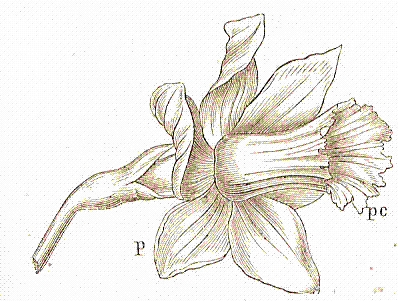


Characteristics
Narcissi grow from bulbs (bulbs) that store nutrients over winter. Leaves are strap-like and emerge before or with the flowers. Each flower typically has six perianth segments surrounding a central cup or trumpet (the corona). Colours commonly range from white through yellow to orange; many cultivars combine two tones. Several species and hybrids are fragrant. The plants contain alkaloids and are considered toxic if ingested, a trait that deters some herbivores.
Taxonomy and distribution
The genus comprises wild species and thousands of cultivated hybrids. Wild Narcissus species are native to parts of Europe, North Africa and Asia, where they occupy meadows, woodlands and mountain slopes. Horticultural classification divides cultivated forms into groups based on flower shape and parentage; many modern garden types trace descent from a handful of wild species.
Uses and cultivation
Narcissi are widely planted as ornamental border and naturalizing bulbs and are important in the cut-flower trade. They are commonly forced indoors for early flowering. Recommended conditions are well-drained soil and a sunny to partially shaded position; bulbs are generally planted in autumn. Because of their toxicity and bulb structure, they are relatively resistant to grazing and can spread in suitable sites.
Notable facts and distinctions
- Common names: "daffodil," "jonquil" (jonquils denote certain fragrant types with narrow leaves).
- Toxicity: bulbs and foliage contain compounds that can cause irritation or poisoning if eaten.
- Cultural role: Narcissus flowers feature in art, literature and seasonal festivals as symbols of spring and renewal.
- Cultivation note: many varieties are late-winter to spring bloomers and are used to naturalize lawns and meadows.
For general botanical information and horticultural guidance see resources on the genus (genus overview) and its family (Amaryllidaceae, family references). Additional regional details are available for their native ranges in Europe, North Africa and Asia.
Related articles
Author
AlegsaOnline.com Narcissus (genus) — daffodils and their biology Leandro Alegsa
URL: https://en.alegsaonline.com/art/68375