
Mustelinae: overview of a mustelid subfamily
Mustelinae is a traditional grouping of small to medium mustelids (weasels, ferrets, minks, martens, wolverines and others). Modern genetics shows it is not a single natural clade and subject to revision.
Overview
The name Mustelinae has long been used to designate a broad subfamily within the Mustelidae, the carnivoran family that also includes otters, badgers and their relatives. Historically it gathered a diverse set of slender, carnivorous mammals such as weasels and martens. Recent genetic analyses indicate that the traditional Mustelinae is likely polyphyletic, meaning the group mixes species that do not all share a single common ancestor; taxonomists are revising classifications as molecular data are integrated.
Image gallery
6 Images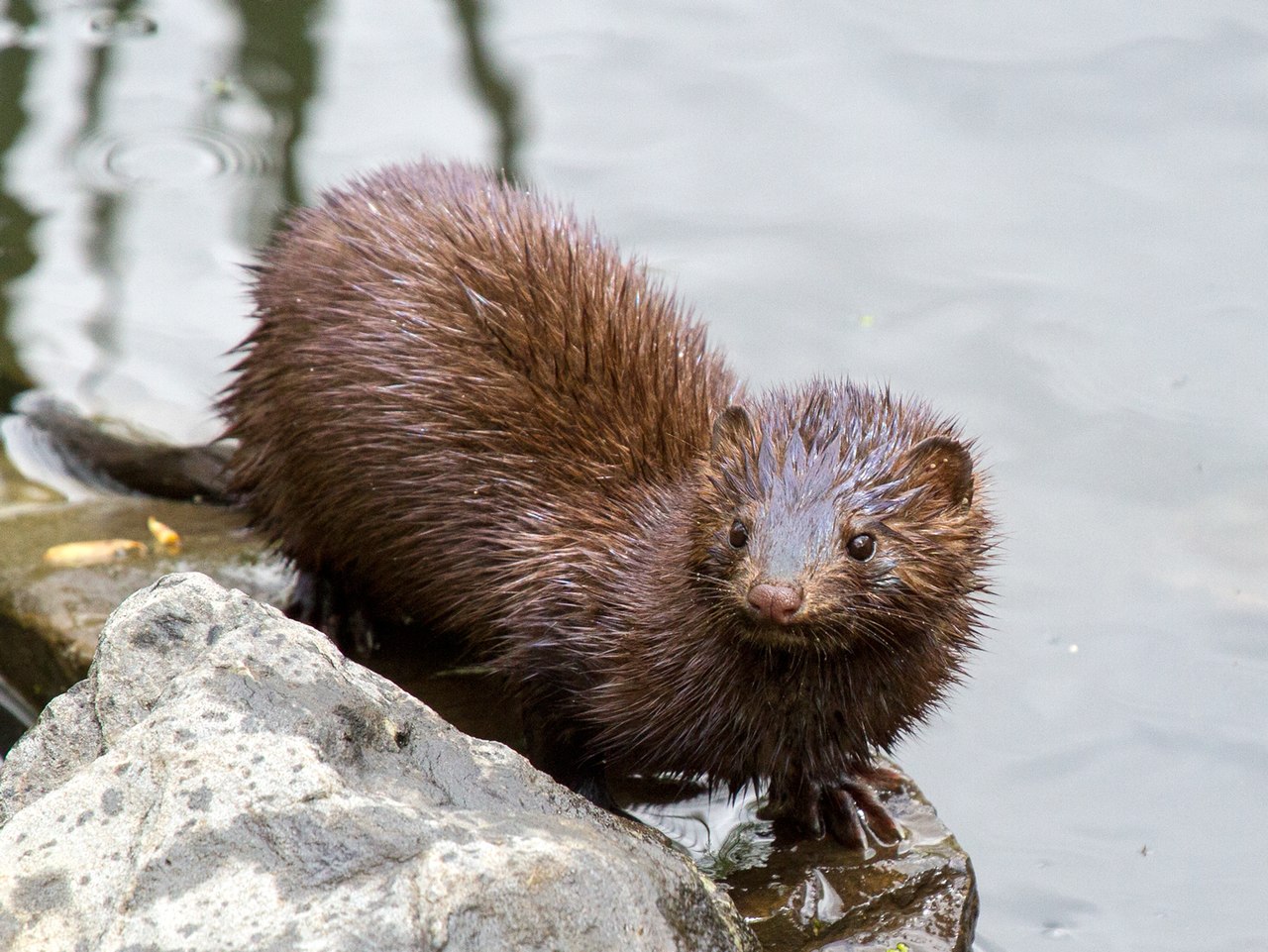


Typical members
Depending on the classification used, the group has included species familiar to many people. Examples are:
- Weasels — small active predators known for nimble bodies and short limbs.
- Ferrets — domesticated or semi-domesticated forms derived from wild polecats.
- Minks — semi-aquatic to terrestrial species valued for their fur.
- Wolverines — the largest of the traditional group, robust and solitary.
- Martens — tree-adapted predators with agile climbing ability.
- Badgers — burrowing mustelids sometimes placed in separate subfamilies.
- Polecats — ancestral stock for several domesticated ferrets and regional species.
- Stoats (also called ermines when white in winter) — noted for seasonal coat changes.
Characteristics
Members traditionally grouped in Mustelinae share several general traits: elongated bodies, short legs, and sharp carnassial teeth adapted for a meat-based diet. Size ranges widely from tiny weasels to powerful wolverines. Many have musk glands and exhibit strong territorial or solitary behaviour. Fur texture and coloration vary with ecology and season; several species undergo marked coat changes in colder climates.
Taxonomy and history
The subfamily concept arose from morphological similarities observed by early naturalists. With the advent of molecular phylogenetics, researchers discovered that similar body plans evolved more than once among mustelids. As a result, some authorities prefer to split the traditional Mustelinae into smaller, monophyletic clades that better reflect evolutionary history. Taxonomic changes proceed cautiously and are published as consensus builds.
Ecology, distribution and human interactions
Species traditionally placed in Mustelinae occupy a broad range of habitats worldwide: forests, grasslands, tundra and near-water environments. They serve important roles as mesopredators, controlling rodent and invertebrate populations and influencing ecosystem dynamics. Humans have long interacted with these animals through fur harvest, pest control and companionship (e.g., domestic ferrets). Conservation concerns vary by species: habitat loss, trapping, pollution and introduced competitors have reduced some populations, while others remain widespread.
Notable facts
Although the label Mustelinae persists in older literature and casual use, modern systematics emphasizes clades supported by DNA. For readers seeking more detail, follow up-to-date reviews and databases that track mustelid classification and species accounts.
Related articles
Author
AlegsaOnline.com Mustelinae: overview of a mustelid subfamily Leandro Alegsa
URL: https://en.alegsaonline.com/art/67813
Sources
- ncbi.nlm.nih.gov : "Multigene phylogeny of the Mustelidae: resolving relationships, tempo and biogeographic history of a mammalian adaptive radiation"
- doi.org : 10.1186/1741-7007-6-10
- pubmed.ncbi.nlm.nih.gov : 18275614