
Badger — natural history, behavior, and relationships with people
Badgers are short-legged, burrowing mustelids found across much of the world. This article summarizes their biology, common species, behavior, burrows (setts), cultural roles, and conservation considerations.
Badgers are medium-sized carnivorous mammals in the family Mustelidae, recognized for short legs, strong claws for digging, and often distinctive facial markings. They are primarily nocturnal or crepuscular and occupy a variety of habitats from woodlands and grasslands to arid scrub. Their geographic distribution includes populations across Europe, Africa, North America and Asia. For general reference and further resources see additional sources.
Image gallery
9 Images


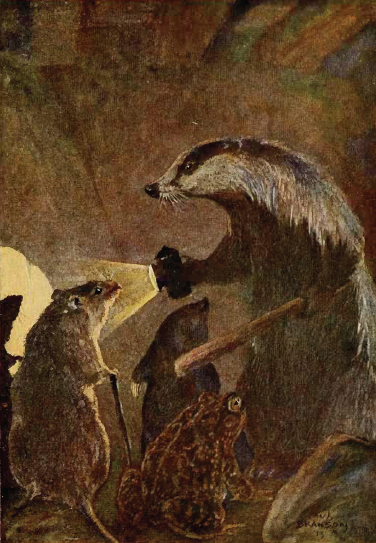
Characteristics and anatomy
Badgers have a low, stocky body, powerful forelimbs with long claws adapted for digging, and a robust skull. Fur pattern varies by species; some show bold black-and-white facial stripes while others are more uniformly colored. Their dentition reflects an opportunistic diet: they eat earthworms, small mammals, insects, roots, fruits and occasionally carrion. Many species are solitary or live in small family groups.
Species and distinctions
- European badger (Meles spp.) is known for communal burrows called setts.
- American badger (Taxidea taxus) is adapted to open prairies and digs rapidly to catch prey.
- Honey badger (Mellivora capensis) is noted for its bold behavior and wide diet, including bee nests and venomous snakes.
Behavior, burrows, and social life
Many badgers construct extensive underground networks. The European badger’s sett may be used by several generations and can persist for decades. Foraging behavior often involves excavating soil to uncover invertebrates or small vertebrates. Social systems vary: some species form stable groups while others maintain largely solitary territories.
History, cultural role, and conservation
Badgers appear in folklore and symbolism in several cultures, sometimes admired for persistence or portrayed as solitary and defensive. Human activities affect badgers through habitat change, road collisions, persecution, and legal protection regimes in different countries. Conservation status differs by species and region; some populations are stable while others face decline. Management efforts combine habitat protection, road mitigation, and policies to reduce conflicts with farming and development.
Importance and interactions with people
Badgers play ecological roles as predators of small animals and as ecosystem engineers through soil turnover. They can influence populations of pests like rodents and help mix soils. At the same time, they may conflict with agriculture by digging or preying on poultry, requiring nonlethal mitigation in many areas. Understanding species-specific behavior is key to effective coexistence and conservation planning.
Tags
Related articles
Author
AlegsaOnline.com Badger — natural history, behavior, and relationships with people Leandro Alegsa
URL: https://en.alegsaonline.com/art/8222
Sources
- commons.wikimedia.org : Badger
- jstor.org : 20764515
- iucnredlist.org : "Melogale orientalis"
- iucnredlist.org : "Mellivora capensis"