
Mute swan (Cygnus olor): description, range, behavior, and human interactions
Large white waterbird native to Eurasia, known for its orange bill and graceful posture; widely introduced and culturally significant, with distinctive behavior, distribution, and conservation issues.
The mute swan (Cygnus olor) is a large waterbird belonging to the duck, goose and swan family. In taxonomic terms it is classed as a species of swan within the broader group that includes ducks and geese. It is part of the family Anatidae, a diverse group of waterfowl. The common name "mute" refers to the bird's relatively quiet voice compared with other swans, rather than complete silence.
Image gallery
10 Images


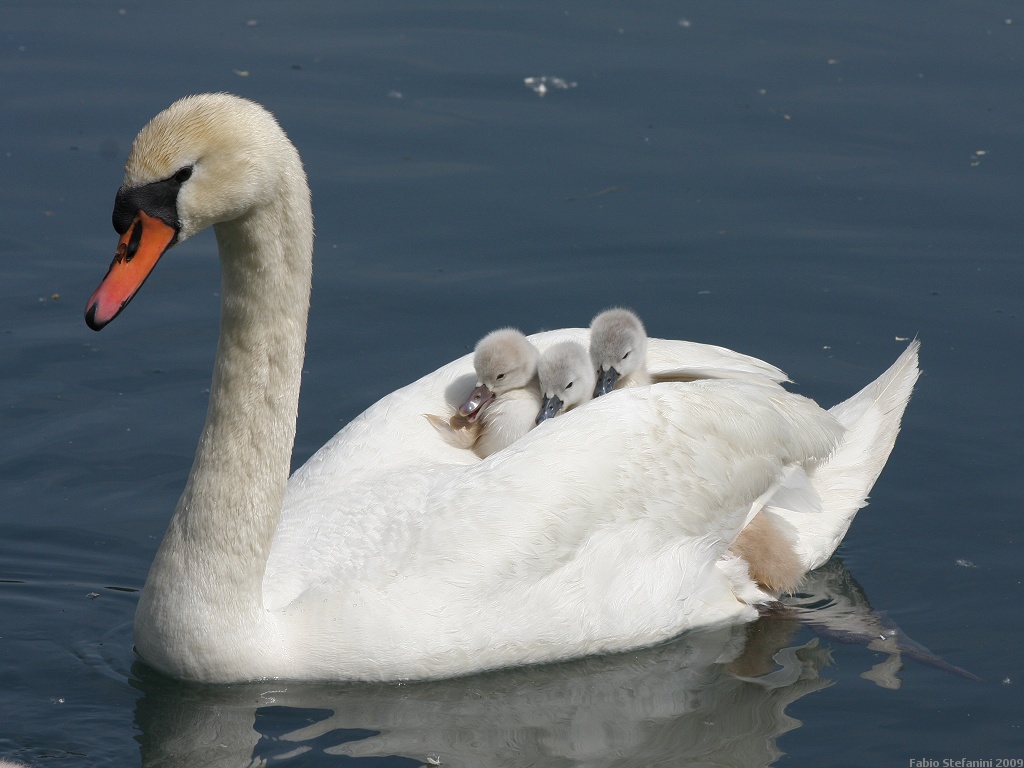


Characteristics
Adult mute swans are typically all-white with an orange bill edged in black and a prominent black basal knob on the forehead. They have a long, curved neck and strong wings; together these features make them among the heaviest flying birds. Juveniles are greyish and gradually acquire adult plumage. Mute swans feed mainly by dabbling and upending in shallow water to reach submerged vegetation, and they can also graze on land.
Distribution and habitat
Originally native across much of temperate Europe and Asia, mute swans are also occasional visitors to the far north of Africa. Over centuries they have been introduced to other regions, establishing populations in North America, Australasia and parts of southern Africa. They occupy lakes, slow rivers, marshes and coastal lagoons where food and nesting sites are available.
Behavior and life cycle
Mute swans are generally monogamous and form long-term pair bonds; both parents participate in nest building and raising cygnets. They are territorial during the breeding season and can display aggressive postures, such as arching the neck and beating the water with wings, to defend nests or young. Vocalizations are comparatively subtle but include hisses, grunts and softer calls.
Relationship with people
Mute swans have a long cultural presence in art, folklore and heraldry. They are often valued in parks and ornamental waters for their appearance, but introduced populations can affect native species and aquatic vegetation. In some regions management measures regulate feeding, protect nests, or control numbers to reduce agricultural and ecological impacts.
Identification and similar species
Distinguishing mute swans from other white swans—such as the trumpeter or whooper swan—relies on bill color, head shape and vocal behavior. The mute swan's orange bill and forehead knob contrast with the entirely black bills of some relatives; its neck posture and quieter voice are additional clues. For further technical details on classification and status consult specialist sources and regional bird guides.
- Taxonomy: species of swan in Anatidae.
- Native range: Europe, Asia, occasional North Africa.
- Introduced: North America, Australasia.
Related articles
Author
AlegsaOnline.com Mute swan (Cygnus olor): description, range, behavior, and human interactions Leandro Alegsa
URL: https://en.alegsaonline.com/art/67824