
Wolverine (Gulo gulo) — large northern mustelid
Wolverine (Gulo gulo) is the largest mustelid: a solitary, muscular carnivore and scavenger of circumpolar regions, notable for thick fur, wide-ranging habits and adaptations to cold, snowy landscapes.
Overview
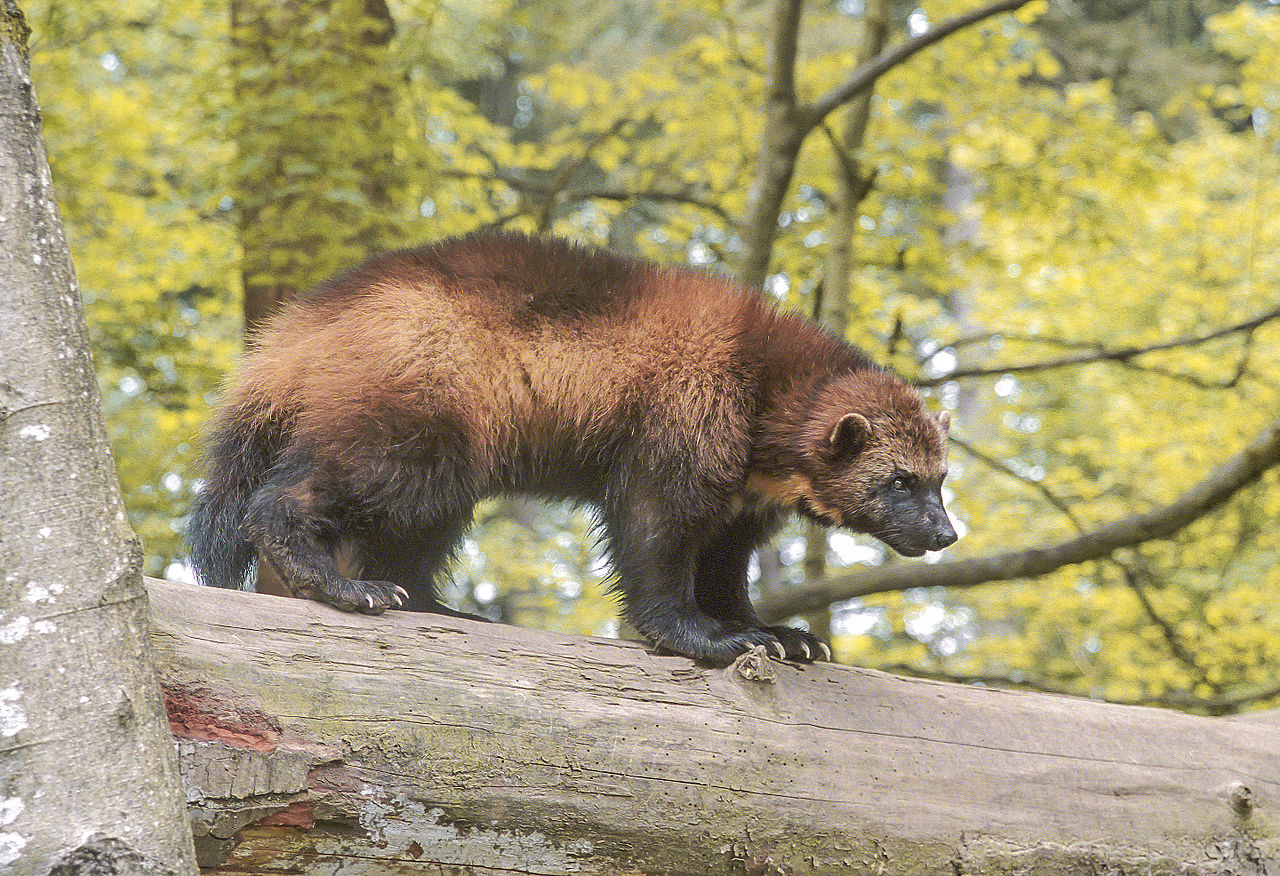
The wolverine (Gulo gulo), sometimes called the glutton, is the largest living member of the Mustelidae. It is a stocky, muscular carnivore and scavenger whose build and behavior often invite comparison with small bears rather than with the more lithe weasels. Wolverines are predominantly solitary and wide-ranging; they are known for bold, persistent feeding and hunting strategies. As both predator and scavenger, a wolverine will travel long distances to locate food and can take or defend carrion and live prey larger than itself.
Image gallery
10 Images




Appearance and adaptations
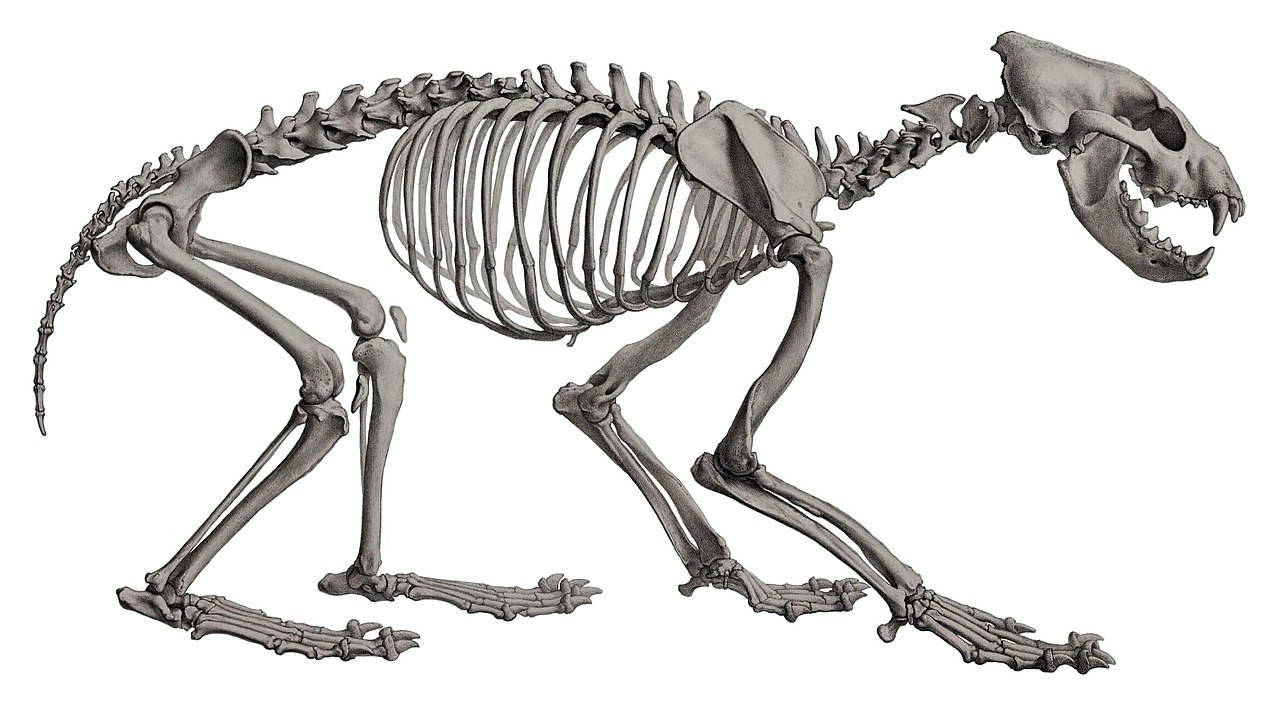
Wolverines have dense, coarse fur that ranges from dark brown to black, often with paler facial markings and a lighter stripe along the sides. The coat is oily and insulating, helping resist frost and wet conditions. Their body is compact and heavily muscled, with strong jaws, powerful forelimbs, and robust teeth adapted for tearing frozen flesh and crushing bone. Large, furred feet act like natural snowshoes, distributing weight and aiding movement across deep snow and ice. Combined with a keen sense of smell, these traits allow wolverines to locate carrion buried beneath snow and to travel efficiently across challenging terrain.
Range, habitat and subspecies
Wolverines occupy boreal forests, tundra and alpine zones across high northern latitudes, with a circumpolar distribution that includes parts of Scandinavia and Russia as well as Alaska and northern Canada. They favor remote, low-density human landscapes where extensive home ranges permit access to seasonal resources. Two broad geographic forms are commonly recognized: the Old World form Gulo gulo gulo and the New World form G. g. luscus, reflecting variation across their range. Habitats that retain late-season snow cover are particularly important for natal dens and rearing young.
Behavior, diet and reproduction
Wolverines are opportunistic feeders. Their diet includes small to medium mammals, birds, eggs, insects and a substantial amount of carrion; they may scavenge on large ungulate carcasses and, at times, kill vulnerable young ungulates. Wolverines travel widely to find food and will aggressively defend kills against other scavengers. They are solitary except during mating and when females raise kits. Reproduction features delayed implantation: fertilized embryos pause development before implanting in the uterus, and females give birth to a small litter of kits in a secluded den during late winter or early spring.
- Key traits: solitary, territorial, wide-ranging, persistent scavenger.
- Physical adaptations: dense oily fur, large furred feet for snow travel, strong jaws and claws for tearing frozen tissue.
- Sensory abilities: acute olfaction for detecting carrion beneath snow and ice.
Conservation, human interactions and research
Wolverine populations face pressures from habitat loss and fragmentation, human disturbance, historical and localized trapping, and climate change affecting snowpack and denning conditions. Because wolverines require large, connected landscapes and stable late-winter snow for successful denning, changes in snow patterns are a conservation concern. In many regions, monitoring programs, legal protections, and research into movement ecology and population dynamics aim to inform management and maintain viable populations. Scientific study of wolverine ecology contributes to broader understandings of carnivore conservation and landscape connectivity; for accessible summaries see general carnivore profiles and work on fur and insulation studies.
Culture and notable facts
Wolverines have cultural significance in indigenous traditions across their range and appear in folklore as symbols of strength, tenacity and resilience. Their pelts were valued historically for warmth and durability, and the species' reputation for ferocity and endurance has made it a distinctive emblem of northern wildlife. As one of the largest and most adaptable members of the mustelid family, the wolverine remains an important species for study and conservation in cold, remote ecosystems.
Questions and answers
Q: What is the wolverine?
A: The wolverine is the largest member of the Mustelidae family and is a stocky and muscular carnivore.
Q: How does the wolverine compare to other mustelids?
A: The wolverine is more like a small bear than other mustelids.
Q: What is the wolverine's reputation?
A: The wolverine has a reputation for ferocity and can kill prey many times larger than itself.
Q: Is the wolverine solitary or social?
A: The wolverine is a solitary animal.
Q: What is the difference between the Old World and New World forms of the wolverine?
A: There is a clear difference between the two subspecies: the Old World form Gulo gulo gulo and the New World form G. g. luscus.
Q: What are the physical characteristics of a male and female wolverine?
A: The male is about 18 inches tall and the female is 14 inches tall. Their length ranges from 36 inches (female) to 45 inches (male) and they reach a weight of around 25-36 lbs. Their tail measures about 8 inches.
Q: How does the wolverine survive in extremely cold temperatures?
A: The wolverine's brown fur protects them from the extremely cold temperatures and their big feet enable them to walk on top of snow.
Related articles
Author
AlegsaOnline.com Wolverine (Gulo gulo) — large northern mustelid Leandro Alegsa
URL: https://en.alegsaonline.com/art/108856
Sources
- species.wikimedia.org : Gulo gulo
- commons.wikimedia.org : Gulo gulo
- iucnredlist.org : "Gulo gulo"
- sacbee.com : sacbee.com/101/story/838651.html
- sfgate.com : "A year later, wolverine spotted again in Sierra"
- yubanet.com : Wolverine Sighting on SPI Land near Truckee
- msnbc.msn.com : First Michigan wolverine spotted in 200 years – Technology & science – Science – msnbc.com
- fwp.mt.gov : "Wolverines"
- nytimes.com : U.S. proposes to protect wolverines
- nytimes.com : Judge Prods Wildlife Service on Protection for Wolverines