
Muskrat (Ondatra zibethicus) — semiaquatic rodent
A medium-sized, semiaquatic rodent native to North America, the muskrat builds lodges or burrows in wetlands, shapes plant communities, was important to the fur trade, and has become established in parts of Europe and Asia.
Muskrat (Ondatra zibethicus) is a medium-sized, semiaquatic rodent known for its affinity to wetlands. Muskrats occupy a variety of freshwater and brackish environments including marshes, lakes, ponds, and slow-moving streams. They are strong swimmers, use aquatic vegetation for food and shelter, and often construct distinctive houses or burrows at the water’s edge.
Image gallery
10 Images





Appearance and behavior
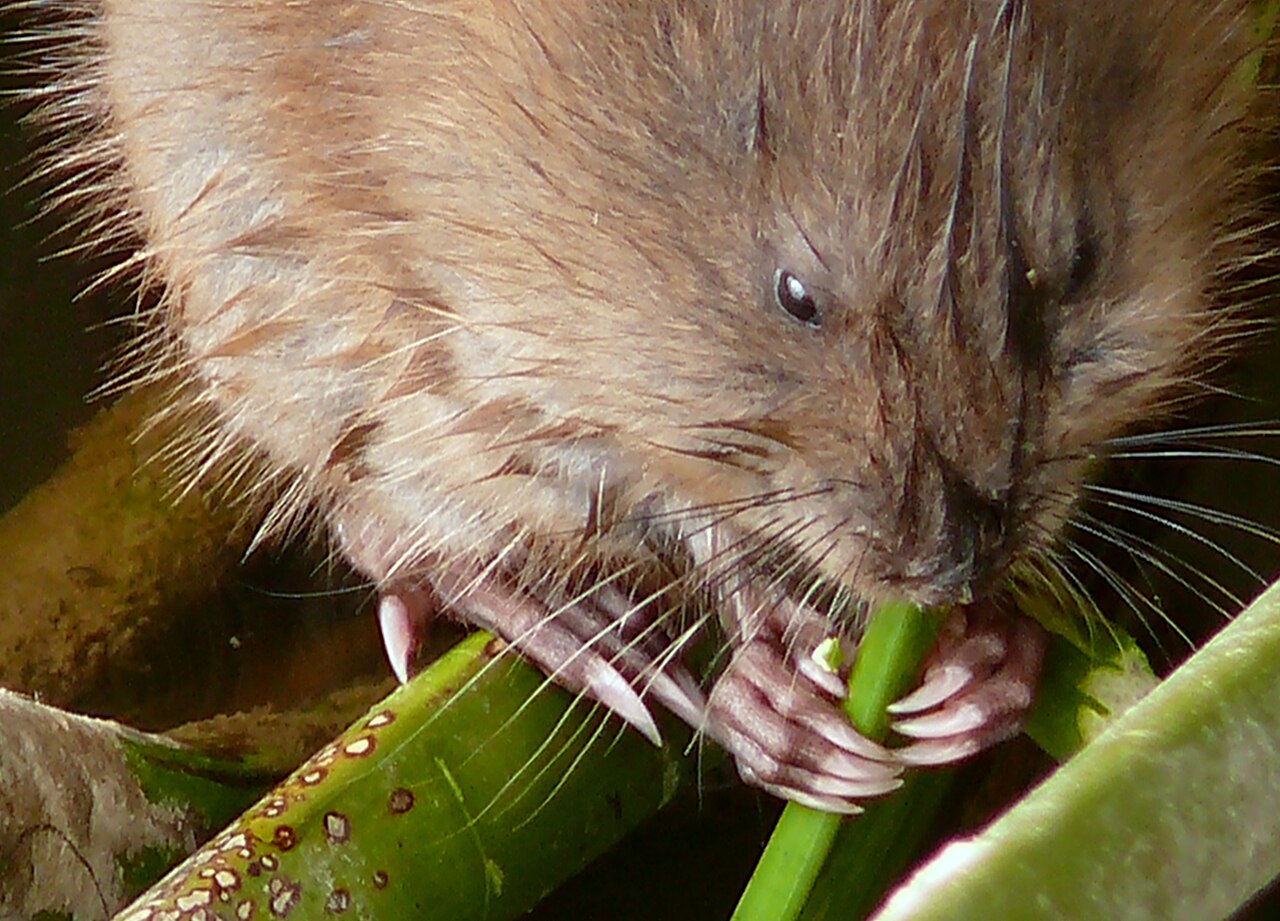
Muskrats are stocky animals with dense fur and a laterally flattened tail that aids propulsion in water. They are primarily active at dawn and dusk, though activity patterns vary by season and locale. Muskrats feed mainly on aquatic plants such as cattails and water lilies, but may also consume small animals and agricultural crops when available. Their scent glands produce a musky odor, which inspired the common name.
Homes and social life
Two common dwelling types are characteristic: dome-shaped lodges made from plant stems and mud, and bank burrows with underwater entrances. Lodges are conspicuous in frozen marshes and provide protection from predators; these structures are often entered through submerged tunnels. Muskrats are territorial in breeding season and may form loose colonies where food is abundant.
Range, history, and human interactions
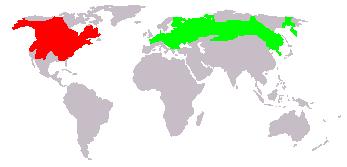
Native to North America, muskrats were introduced to parts of Europe and Asia mainly during the fur trade era; they established wild populations outside their original range and in some areas are considered invasive. People historically trapped muskrats for fur and still manage populations to reduce damage to levees, ditches, and crops. Trapping and wetland management are common control measures.
Ecological role and notable facts
- By feeding on dense vegetation, muskrats can alter wetland plant communities and create open water patches used by other wildlife.
- They serve as prey for predators such as mink, raptors, and larger carnivores, linking aquatic and terrestrial food webs.
- Muskrats are often compared with beavers and nutria; unlike beavers they have a narrow, flattened tail and do not build dams.
For more focused information and regional details consult resources on habitat, management, and identification: further reading or species accounts and field guides available through local wildlife services and conservation organizations.
Related articles
Author
AlegsaOnline.com Muskrat (Ondatra zibethicus) — semiaquatic rodent Leandro Alegsa
URL: https://en.alegsaonline.com/art/67789