
Mustelid (Mustelidae): diversity, biology, and interactions with people
Mustelids are a widespread family of carnivorous mammals including weasels, otters, badgers and ferrets. This article summarizes their traits, diversity, ecology, human uses and notable distinctions.
Overview
Mustelids form the family Mustelidae, a diverse group of small to medium-sized mammals that are mostly carnivorous. They belong to the broader assemblage of meat-eating mammals in the order Carnivora, often treated in relation to other carnivores like felids and canids (Carnivora). Although size and habits vary greatly, many mustelids share an elongated body, short legs, sharp teeth, and well-developed scent glands used in communication and defense.
Image gallery
9 Images


Characteristics and adaptations
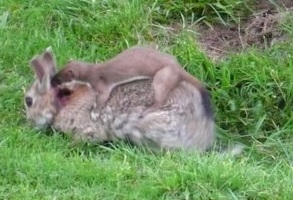
Members of this family range from slender, arboreal or terrestrial hunters to fully aquatic specialists. For example, weasels are agile predators that commonly take small rodents such as mice, while powerful species like wolverines can tackle large carrion or live prey. Aquatic forms — the otters — possess webbed feet and dense fur for insulation. Some mustelids, such as an Arctic-inhabiting weasel, are adapted to extreme cold and seasonal color change in the Arctic.
History and taxonomy
Fossil and molecular evidence indicates the group has a long evolutionary history with ancestors that diversified tens of millions of years ago into the niches they occupy today. Modern taxonomy divides mustelids into several subgroups based on morphology and DNA; one traditional split contrasts the otters with other mustelids, and narrower groupings include the Mustelinae among others. Species count and relationships have been revised repeatedly as genetic studies refine the picture.
Human relationships and uses
Humans have long interacted with mustelids in a variety of roles. The ferret was domesticated for hunting and pest control and today remains a kept pet in many countries. Fur-bearing species such as minks and sables were historically trapped or farmed for their pelts. Some colloquial names reflect perceptions of form: the ferret has at times been nicknamed the "tube rat" because of its elongated shape.
Diversity: common groups and notable species
- Badgers — stout, digging mustelids known for burrowing.
- Ratels (honey badgers) — noted for bold behavior and tough skin.
- Martens — tree‑adapted, arboreal hunters with valuable fur.
- Minks — semiaquatic or terrestrial, tied to the fur trade.
- Polecats — wild progenitors of some domestic ferrets.
- Sables — prized for soft, dark pelts in northern forests.
- Stoats — also called short-tailed weasels, known for seasonal coats.
- Otters — fish-eating, often social and highly aquatic.
Ecological role and conservation
Mustelids perform important ecological services as predators and scavengers, helping control rodent populations and influencing prey communities. Several species are adaptable and widespread, while others are sensitive to habitat loss, pollution, overhunting or changes in prey availability. Conservation attention ranges from local management of nuisance interactions to international efforts aimed at restoring populations such as some otters and wolverines. Their variety of lifestyles — from fossorial badgers to river-dwelling otters — makes the family a useful lens for studying adaptation and mammal diversity.
For further reading about specific species, classifications, and regional status, see specialist resources and taxonomic databases linked below: general mammal guides, carnivore references, and dedicated entries for groups such as weasels, otters and wolverines.
Questions and answers
Q: What is the family of carnivorous mammals?
A: The family of carnivorous mammals is Mustelidae, in the order Carnivora.
Q: How many species are included in this family?
A: There are many species included in this family, ranging from weasels to wolverines.
Q: What kind of habitat do mustelids live in?
A: Mustelids can live in a variety of habitats, such as water for otters and the Arctic for one species of weasel.
Q: How has the ferret been used by humans?
A: The ferret has been tamed and used for hunting by humans for a long time, but these days it is mostly kept as a pet.
Q: What other animals belong to the mustelid family?
A: Other animals that belong to the mustelid family include badgers, ratels (or honey badgers), martens, minks, polecats, sables, stoats and otters.
Q: Are there any subfamilies within the mustelid family?
A: Yes, there are two subfamilies within the mustelid family - Lutrinae (the otters) and Mustelinae (the rest).
Related articles
Author
AlegsaOnline.com Mustelid (Mustelidae): diversity, biology, and interactions with people Leandro Alegsa
URL: https://en.alegsaonline.com/art/67812