
Mussel: overview, biology, uses, and ecological importance
Mussels are bivalve molluscs found in freshwater and marine habitats worldwide; they are filter feeders, important ecologically and economically, with notable differences between freshwater and saltwater groups.
Overview
Mussels are aquatic bivalve molluscs found in many parts of the world. The common name covers several taxonomic groups: marine mussels mostly belong to the family Mytilidae, while a number of unrelated families live in freshwater (the largest freshwater family is Unionidae). In general usage the term also extends to zebra mussels and their relatives (family Dreissenidae), which behave like marine mussels by attaching to hard surfaces but are grouped with other bivalves often called clams. Scientists sometimes describe mussels simply as several families of bivalve molluscs.
Image gallery
10 Images





Characteristics and anatomy
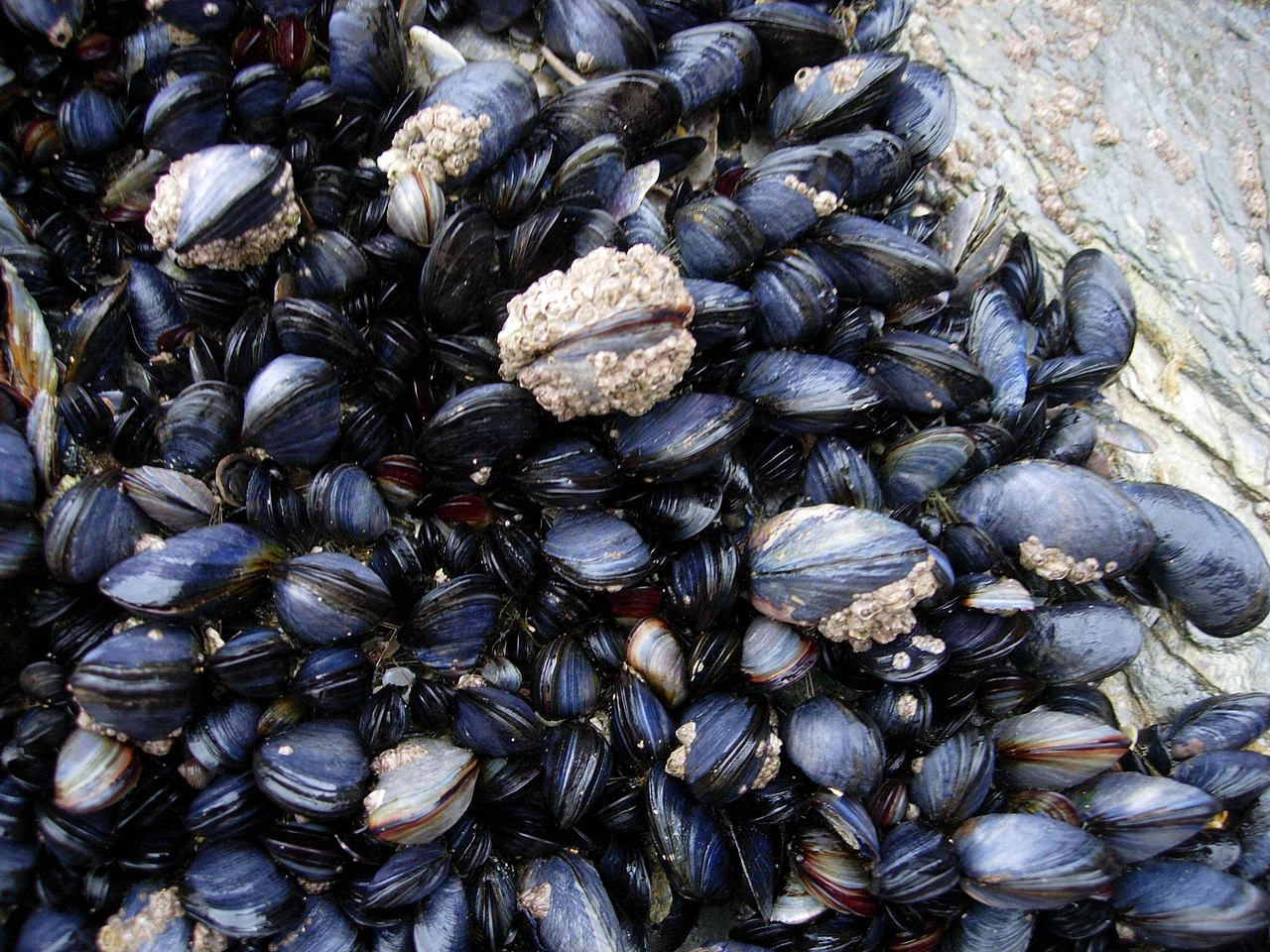
Mussels have two hinged shells (valves) that enclose a soft body. Like other bivalves they are filter feeders: they draw water through siphons, trap microscopic food particles with gill tissues, and expel filtered water. Many marine mussels secrete strong, fibrous byssus threads that anchor them to rocks, piers, and other hard substrates; these threads are made of proteins and give mussels a firm grip in turbulent water. Freshwater mussels typically burrow in sediment rather than attaching by threads.
Life cycle and ecology
Life histories differ between groups. Marine mussels release eggs and sperm into the water column where fertilization often occurs externally. Some freshwater mussels have a distinctive larval stage called a glochidium, which temporarily parasitizes fish gills or fins before settling as a juvenile mussel—this association helps freshwater species disperse. As filter feeders, mussels influence water clarity and nutrient cycles, and they provide habitat and food for birds, fish, and invertebrates. Because of these roles, mussel beds are considered important components of many aquatic ecosystems.
Human uses, risks, and aquaculture
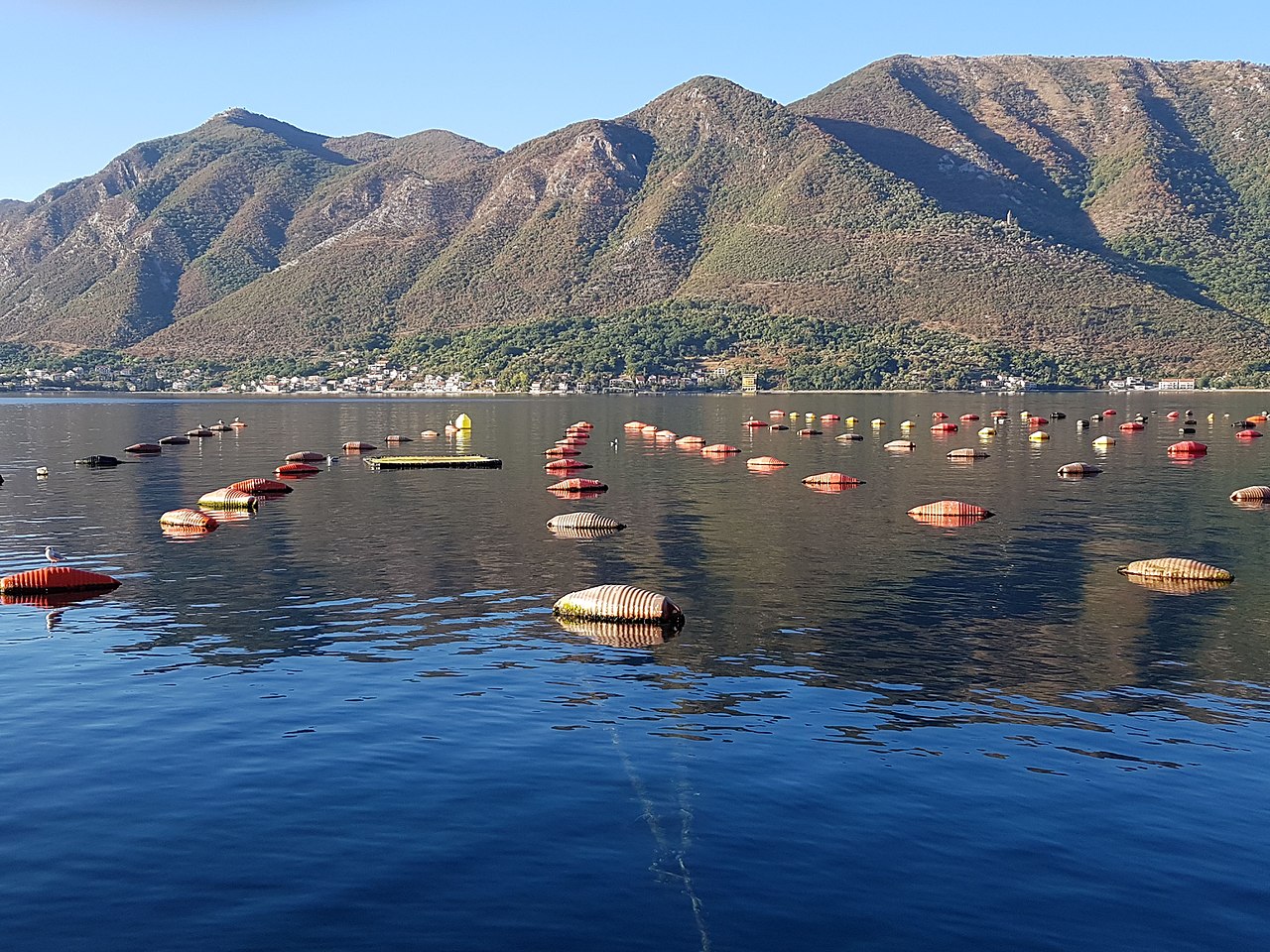
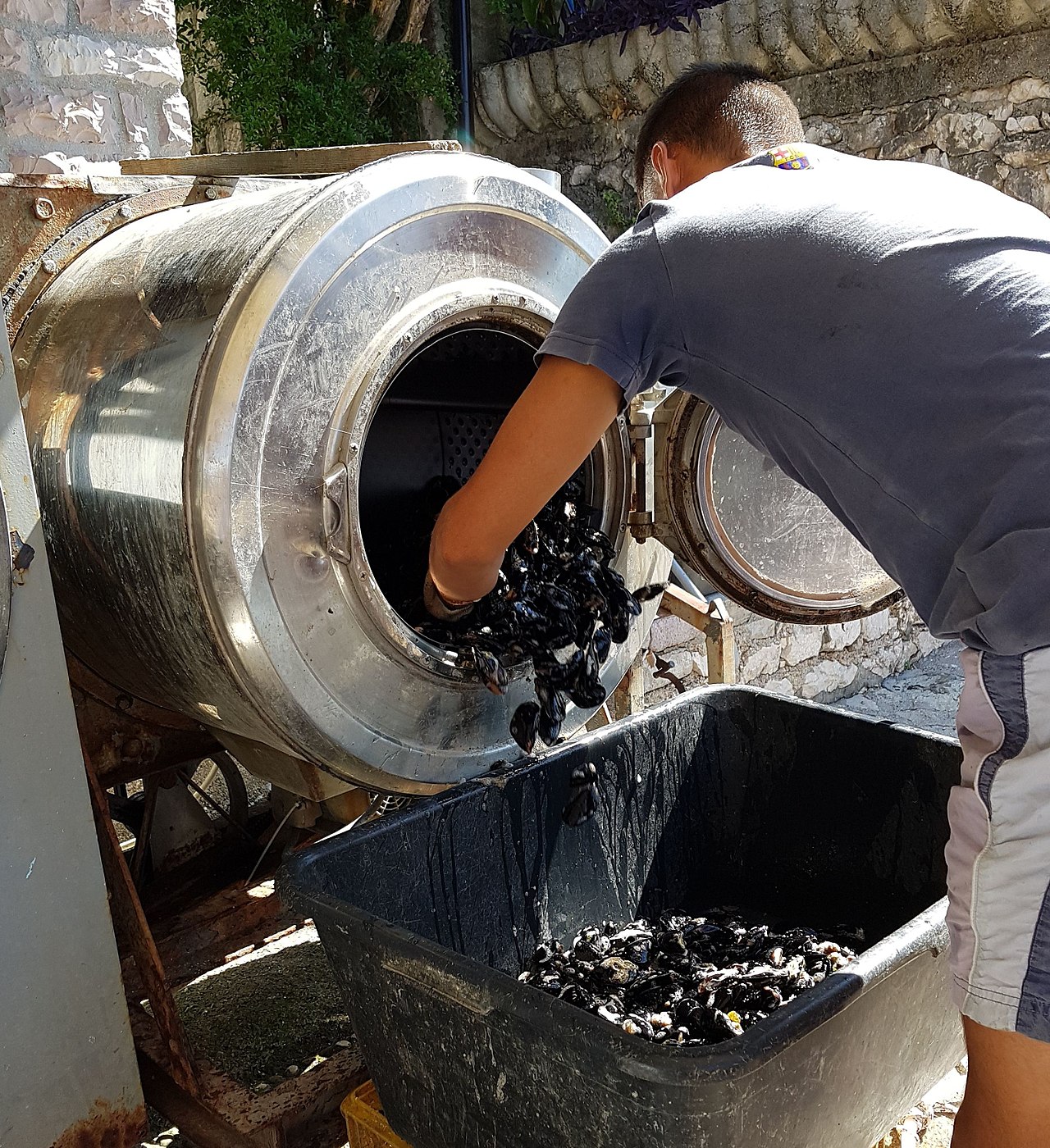
People have harvested mussels for food for thousands of years. They can be eaten raw or cooked and are farmed in many coastal regions by aquaculture operations. Mussel farms are often praised for relatively low environmental footprints because mussels filter their own food from the water and do not require feed inputs. However, mussels can concentrate toxins and harmful algae present in the water; they spoil quickly after death and can cause illness if consumed when contaminated. For this reason, health advisories and monitoring programs are common in areas where mussels are harvested.
Invasive species and conservation
Some mussels are notorious invasive species. The zebra mussel (Dreissena polymorpha) and related dreissenids have spread widely through ballast water and canal systems, fouling pipes, boats, and infrastructure, and altering food webs. Conversely, many freshwater mussel species, particularly in rivers, are imperiled by habitat loss, pollution, dams, and sedimentation; numerous species are the focus of conservation and restoration efforts because of their sensitivity to water quality and their ecological importance.
Notable distinctions and facts
- Taxonomic groups called "mussels" are not all closely related; freshwater and marine mussels belong to different bivalve lineages.
- Byssal threads are a hallmark of many marine mussels and enable attachment in wave-swept zones.
- Freshwater mussels' parasitic larval stage (glochidium) links their survival to healthy fish populations.
- Mussels can produce pearls in rare cases, but pearl production is far more associated with oysters.
For further reading about mussel families and bivalve biology see relevant taxonomic and ecological summaries: mussel families, bivalve molluscs, and distinctions with other groups often called clams.
Related articles
Author
AlegsaOnline.com Mussel: overview, biology, uses, and ecological importance Leandro Alegsa
URL: https://en.alegsaonline.com/art/67800