
Mole (Talpidae): biology, behaviour, and distribution
Small, burrowing mammals in the family Talpidae. Covers anatomy, lifestyle, distribution, diet, taxonomy, ecological role, and human interactions.
Overview
Moles are small mammals adapted to a life spent largely underground. Their body shape, limbs and senses reflect a fossorial lifestyle: they dig and live in networks of tunnels where they hunt invertebrates and other small prey. The term fossorial is commonly used to describe animals, like moles, that are specialized for digging and subterranean activity.
Image gallery
10 Images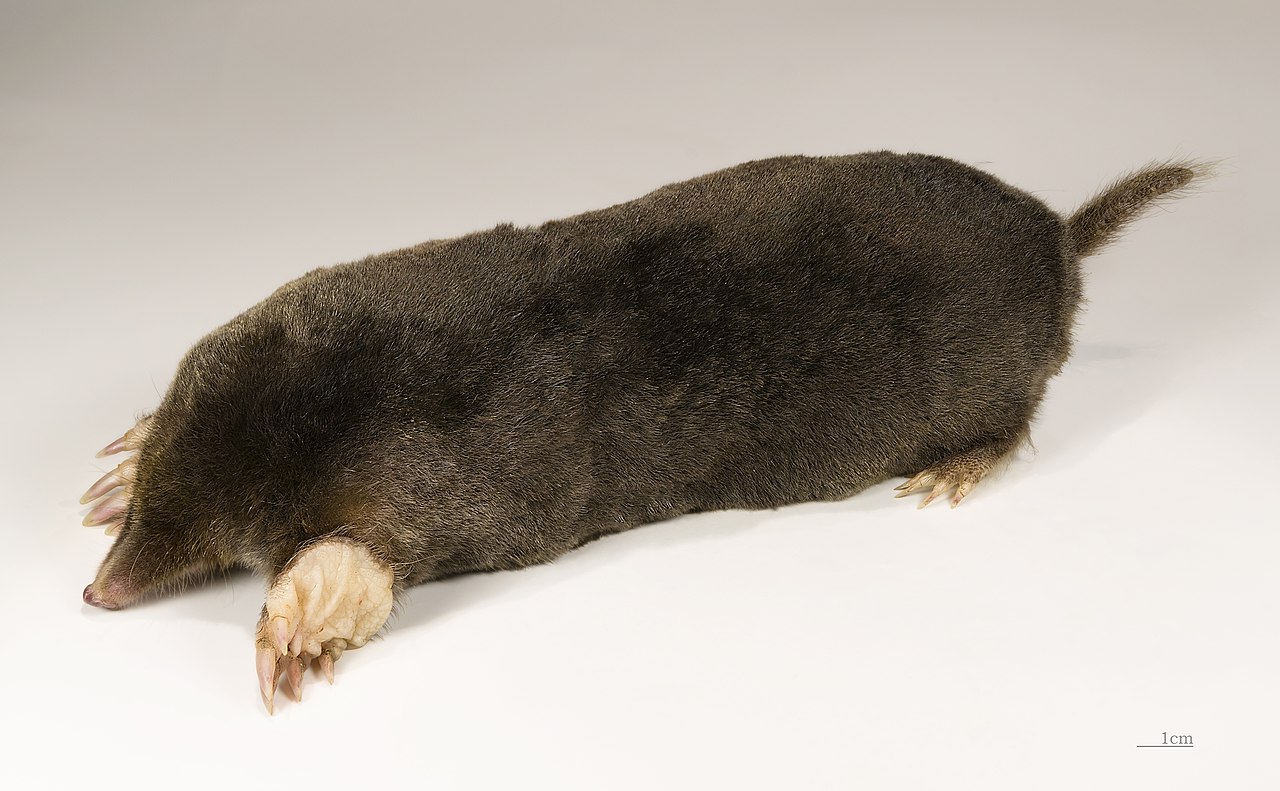




Physical characteristics
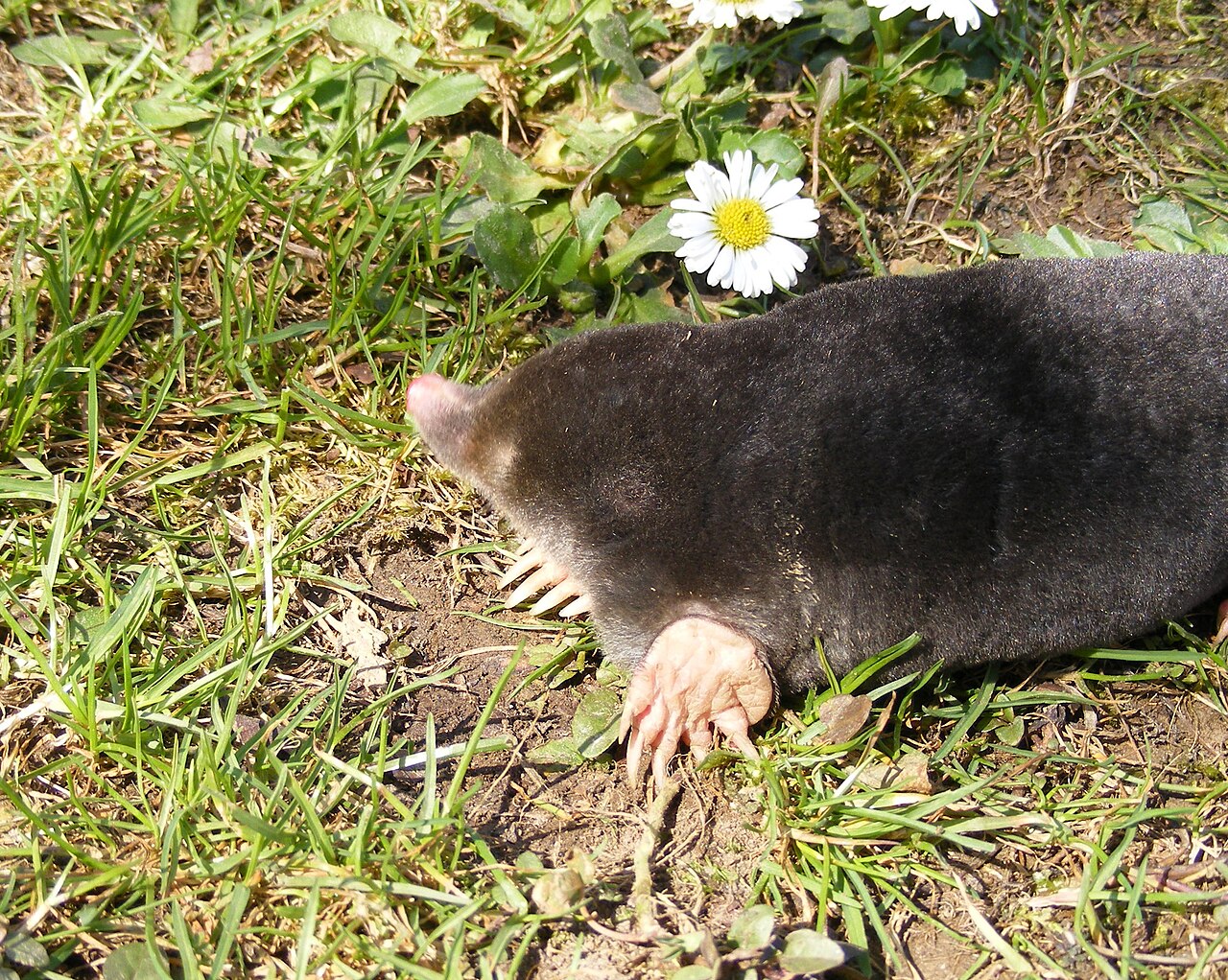
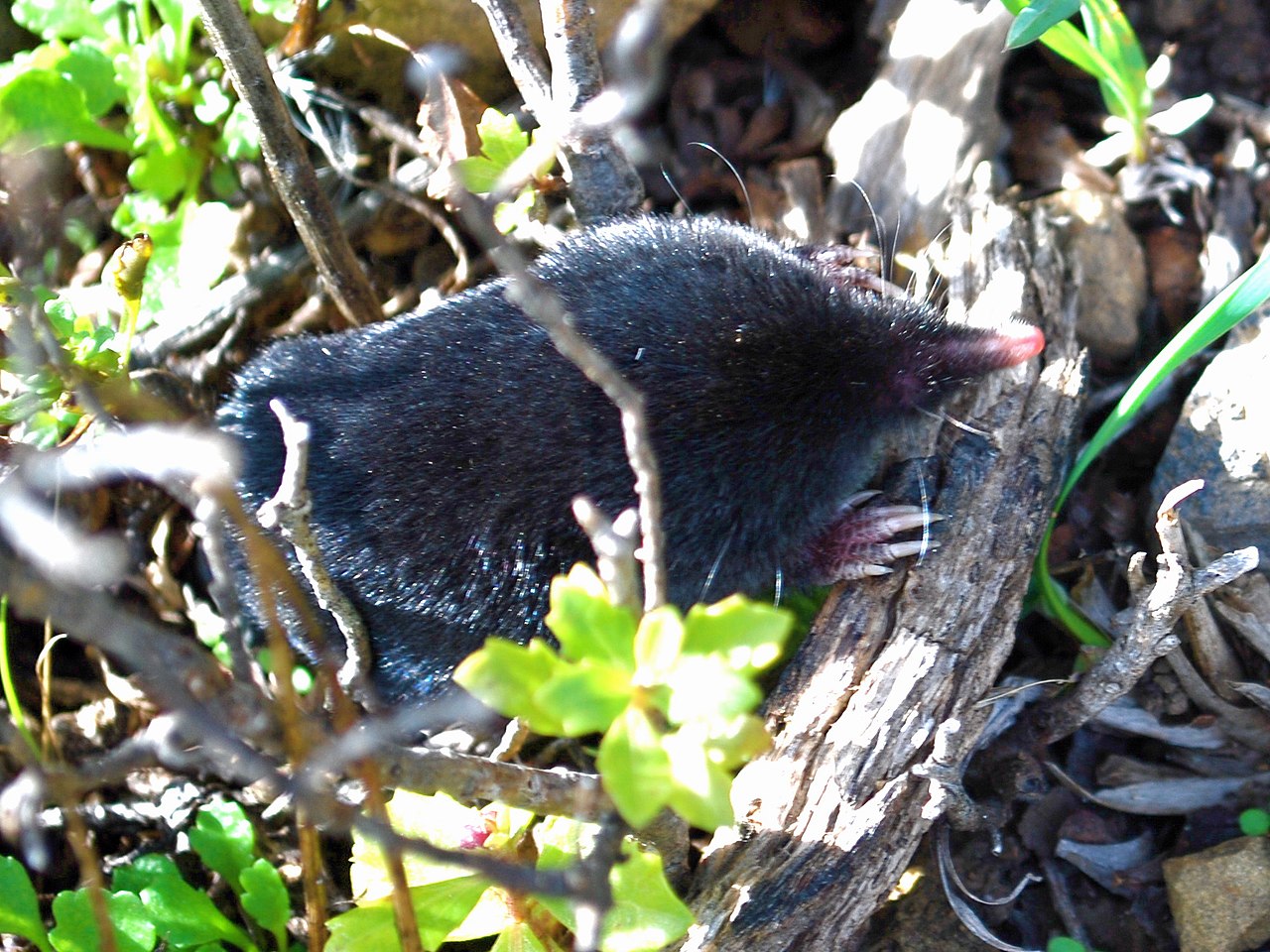
Moles typically have a compact, cylindrical body with short, dense, velvety fur that can lie flat in either direction to ease movement in tunnels. The forelimbs are powerful and wing-like, with broad, outward-turned paws for excavation. Many species possess a modified sesamoid bone sometimes called an "extra thumb" or "false thumb" that aids in shoveling soil. Eyes are small and often covered by fur or skin, reflecting limited reliance on vision; instead moles use touch and a keen sense of smell to locate prey. Some semi-aquatic relatives have webbed feet and adaptations for swimming.
Taxonomy and diversity
Moles belong to the family Talpidae. The family includes conventional moles as well as shrew moles and desmans. Modern treatments divide Talpidae into three subfamilies, with around 17 genera and roughly 46 species worldwide, though numbers vary slightly among taxonomic sources. Size ranges from the tiny American shrew mole to larger desman species, and different genera show a range of ecological specializations.
Distribution and habitats
Moles are native to much of the temperate and subtropical regions of the Northern Hemisphere. They are commonly found across North America, Europe, and Asia. Typical habitats include grasslands, woodlands, agricultural fields and gardens where soil is workable and invertebrate prey is available. Some members of the family, notably desmans, occupy riparian or aquatic habitats and are adapted to swimming.
Diet and behaviour
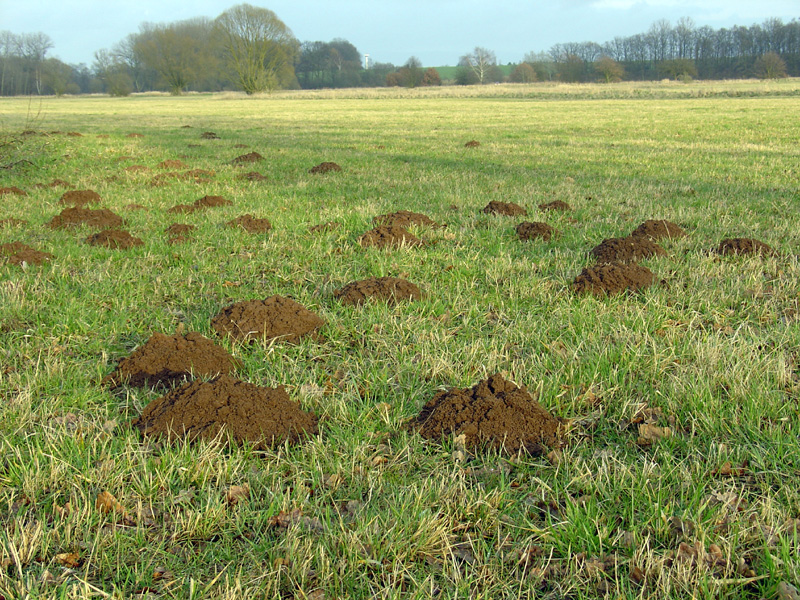
Most mole species feed primarily on soil invertebrates such as earthworms, insect larvae and other small animals. Common prey categories include insects, larvae and worms. They forage by running through subterranean tunnels or by creating foraging galleries just under the surface; discarded soil forms the characteristic molehills. Moles can be territorial and some species maintain permanent tunnel systems; others are more nomadic. Their sensory systems emphasize touch and smell, with vibrissae (whiskers) and sensitive forepaws playing key roles in navigation and hunting.
Ecological role and human interactions
Moles influence soil structure and nutrient cycling by aerating soil and breaking up compacted layers, which can benefit plant roots and microbial communities. They also help regulate populations of soil invertebrates. However, in managed lawns, gardens and agricultural land, mole tunnelling and molehills are often considered pests because they disturb roots, turf and planting beds. People manage mole activity using exclusion, habitat modification or, in some regions, control measures guided by local regulations.
Notable distinctions and related animals
- Desmans: semiaquatic members of Talpidae with adaptations for swimming and a larger size in some species.
- Shrew moles: small, shrew-like talpids with more surface-active habits.
- Taxonomic relatives: moles are related to other insectivorous mammals such as hedgehogs and shrews, and they are sometimes compared in appearance or ecology to small rodents and marsupials (mice, opossums, bandicoots) or to other distinctive mammals like koalas when discussing convergent traits like strong forelimbs or compact bodies.
Further reading and resources
For concise treatments of their biology and distribution see general mammal guides and regional faunal accounts. Taxonomic overviews and species lists are available in comprehensive references that cover the family Talpidae and its subdivisions; these sources typically list species counts, genera and subfamily arrangements (Talpidae overview). Additional region-specific information can be found through natural history organizations and local wildlife agencies in areas where moles occur.
Related topics: fossorial adaptation, North American moles, European moles, Asian talpids, diets emphasizing insects, larvae and worms, and broader taxonomic context at Talpidae resources. For comparative anatomy and ecological notes see links on hedgehogs and shrews, or look at examples of similar body plans in mice and rats, opossums, bandicoots and koalas.
Related articles
Author
AlegsaOnline.com Mole (Talpidae): biology, behaviour, and distribution Leandro Alegsa
URL: https://en.alegsaonline.com/art/65853