
Koala (Phascolarctos cinereus)
An arboreal marsupial of eastern Australia, the koala is adapted to life on eucalyptus leaves; this article covers its biology, habitat, threats, cultural role and common misconceptions.
Overview
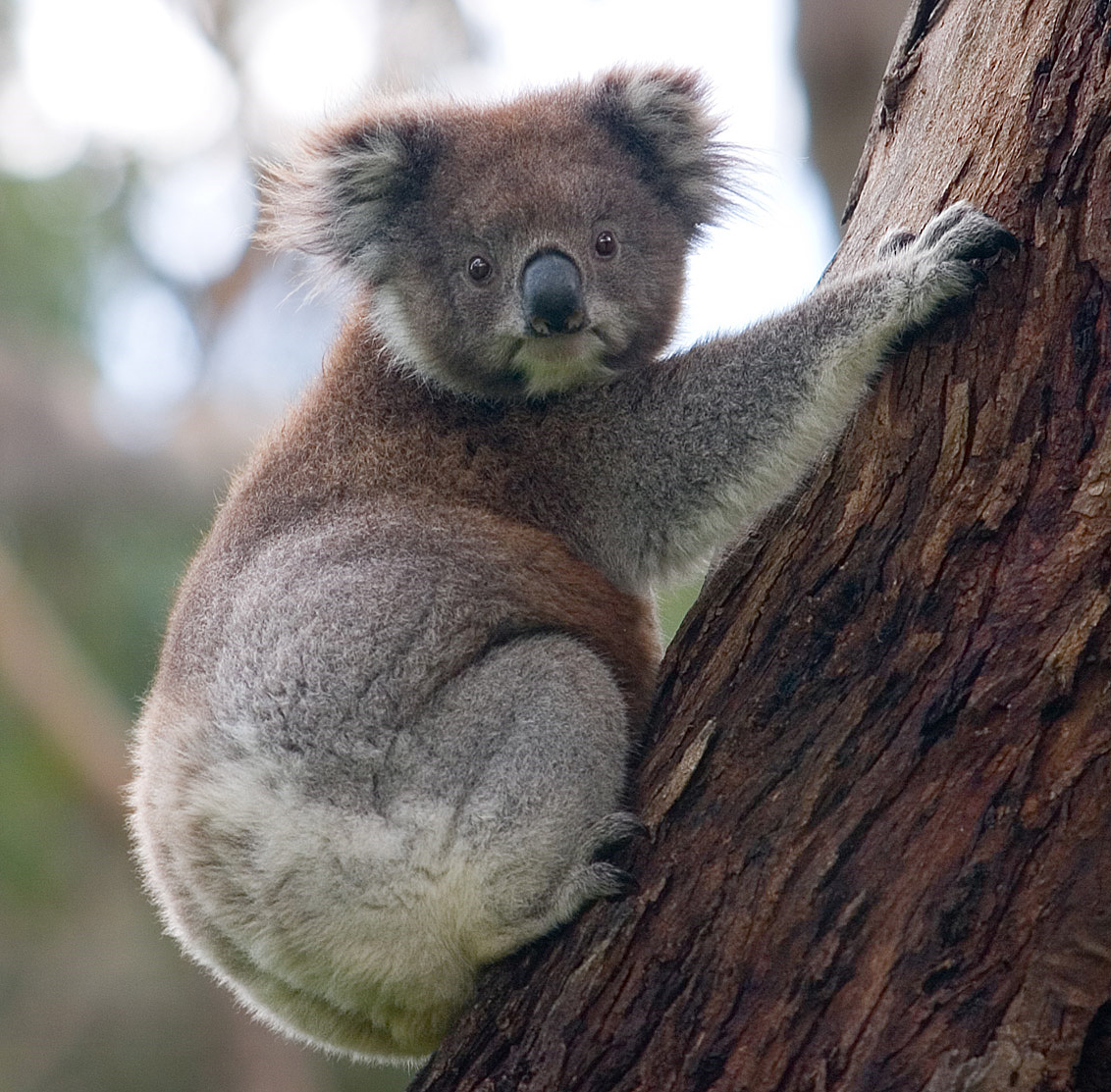
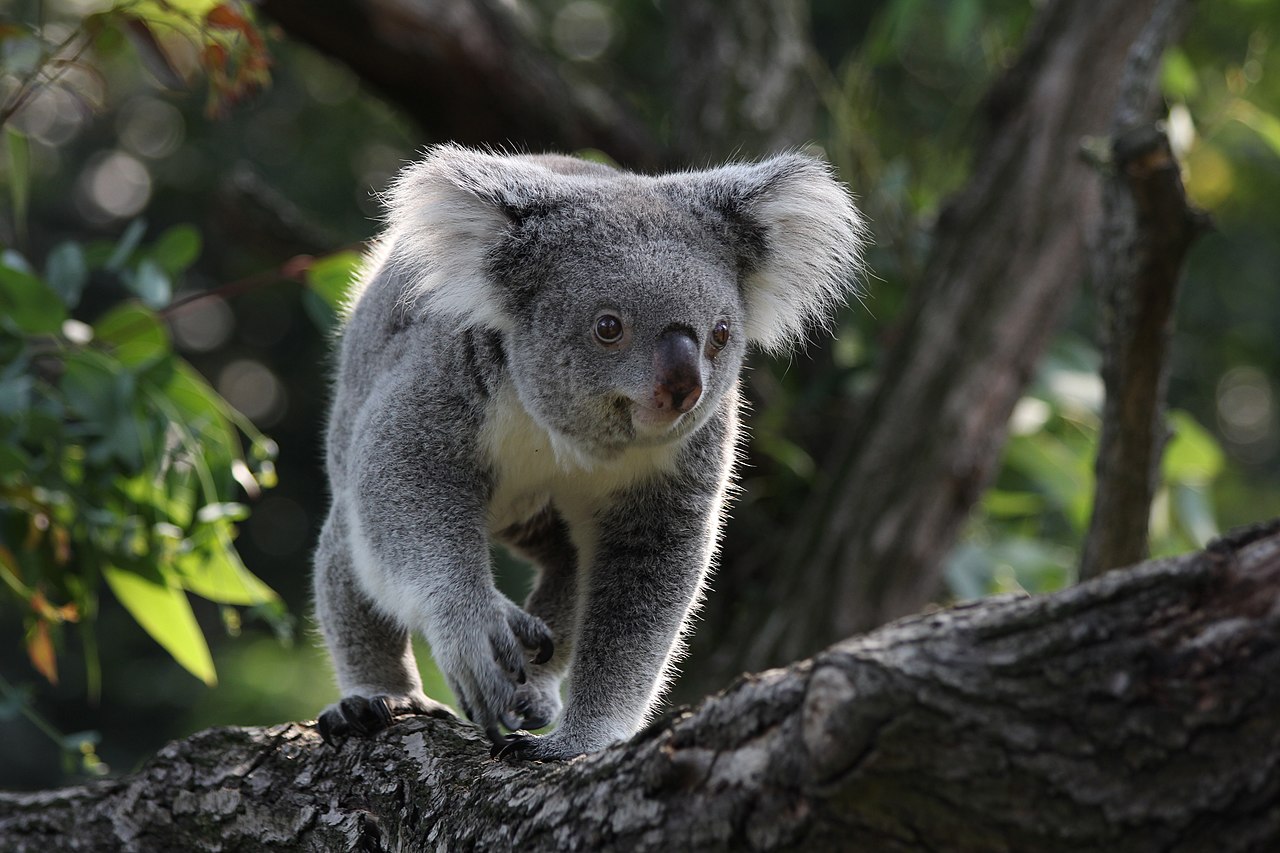
The koala (Phascolarctos cinereus) is an arboreal herbivore and a marsupial native to the eucalyptus forests and woodlands of eastern Australia. It is the only extant member of its family and lineage, often described as the only living species of its group. Despite its rounded ears and compact body, the koala is not a bear; popular labels such as "koala bear" or analogies to a teddy bear reflect appearance rather than taxonomy.
Image gallery
10 Images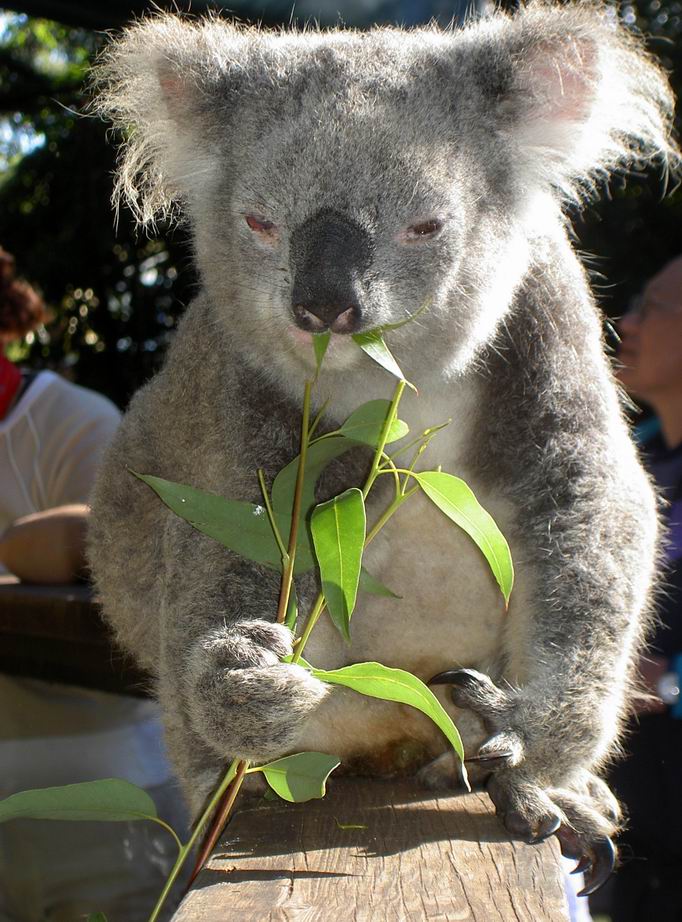



Biology and adaptations
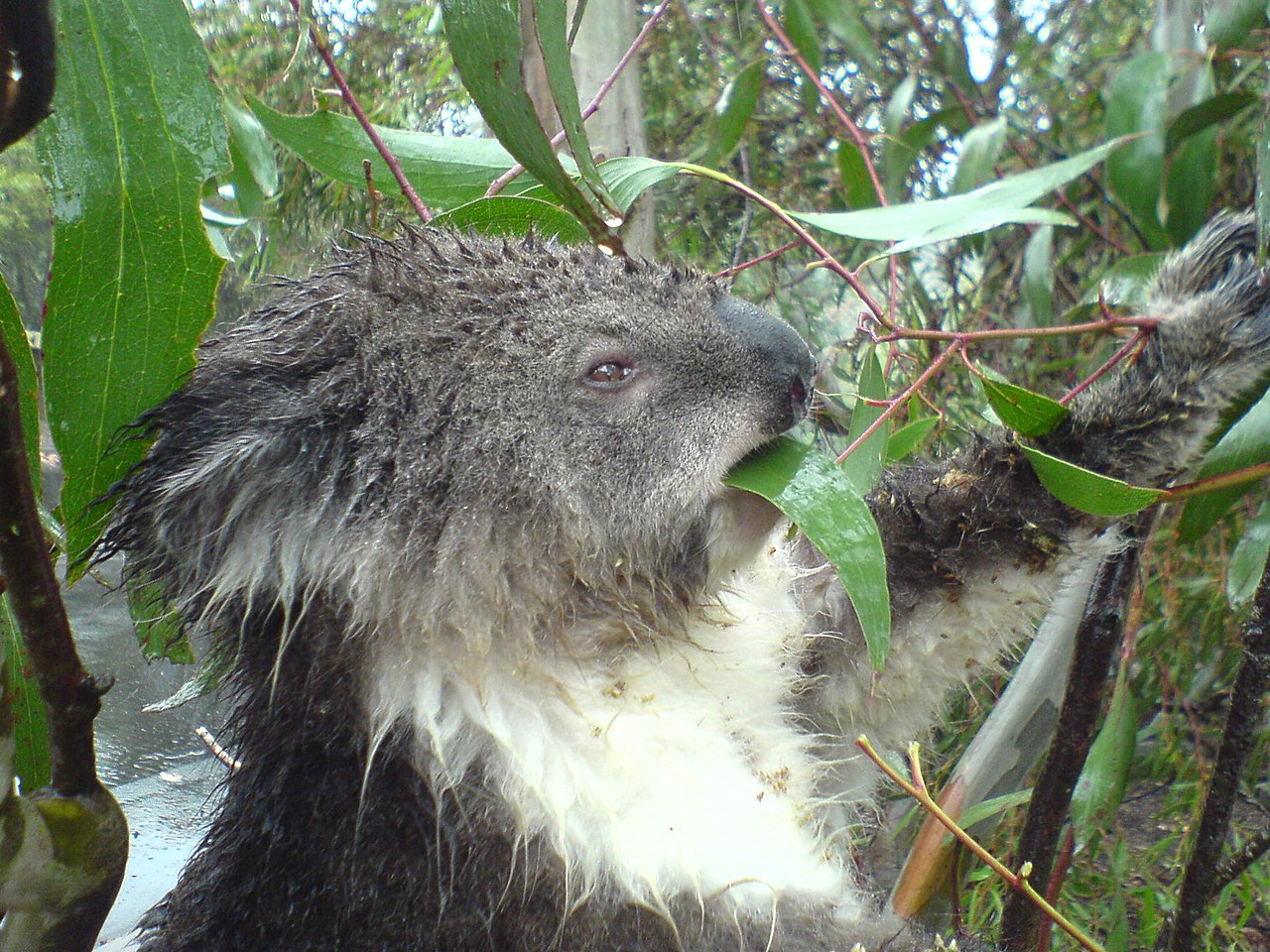
Koalas are specialized folivores that feed primarily on a narrow range of eucalyptus species. Their diet is low in nutrients and contains secondary compounds, and koalas are adapted with a large cecum and elongated gut to ferment and extract energy. They have strong forelimbs and sharp claws for climbing, a padded rump for sitting in branches, and a low metabolic rate that helps conserve energy. Reproductively, females raise young in a forward-opening pouch where a single altricial joey completes much of its early development.
Habitat, range and behavior
Wild koala populations occur mainly in the states of Queensland, New South Wales, Victoria and South Australia, inhabiting eucalypt-dominated forests and coastal woodlands. They are largely solitary and territorial, maintaining home ranges that overlap to varying degrees. Koalas sleep or rest for long periods—often more than half the day—to conserve energy, and they are mostly active at night or during the cooler hours.
Threats and conservation
Populations have experienced declines in many areas due to habitat loss, fragmentation, vehicle strikes, dog attacks, disease (including chlamydial infections) and the effects of drought and bushfire. Conservation efforts focus on protecting and restoring habitat corridors, reducing direct mortality, disease management and regional monitoring. Various governmental and non-governmental programs work to stabilise populations, though status and protections differ by region.
Cultural significance and notable facts
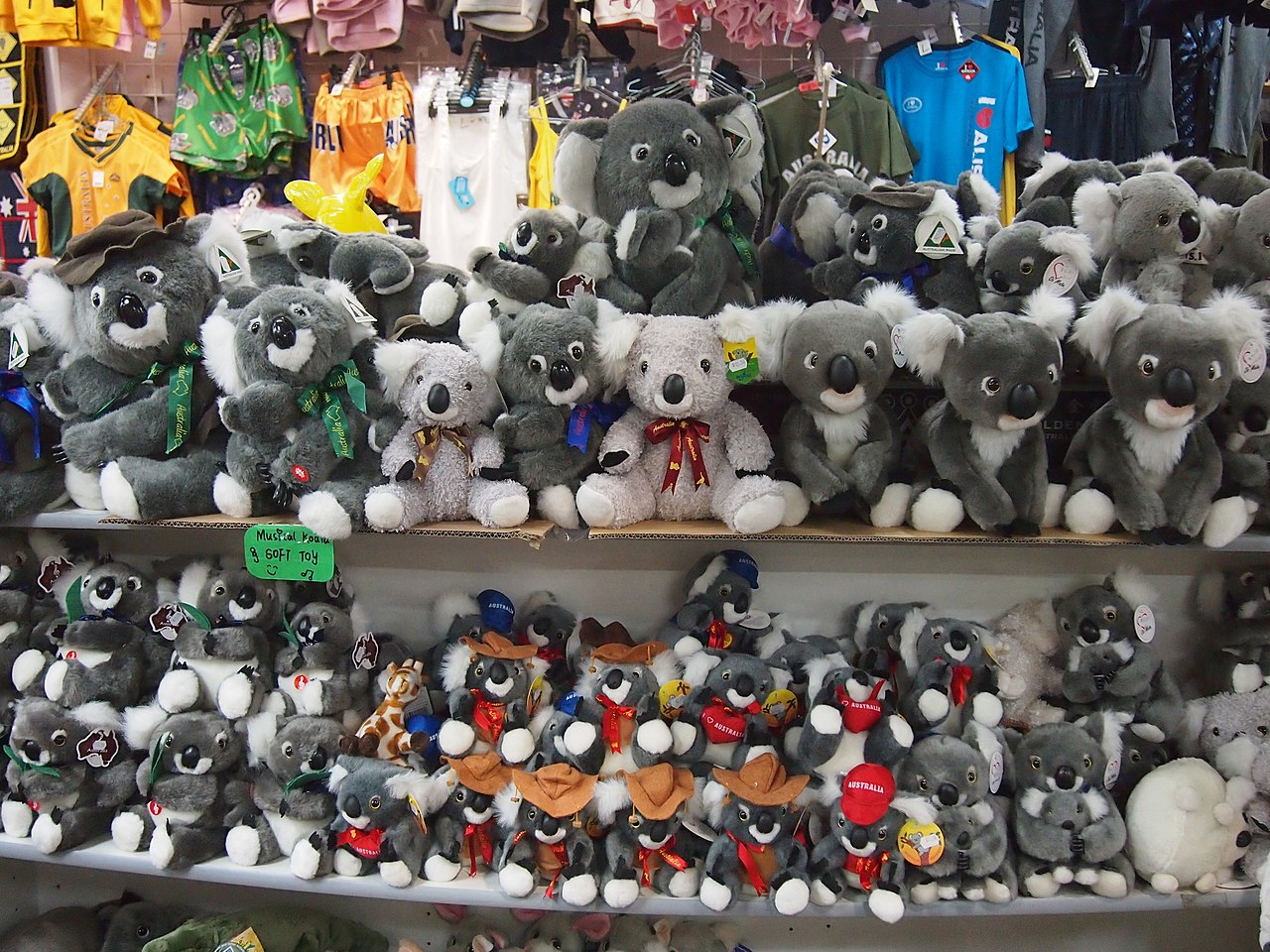
Koalas hold a prominent place in Australian culture and are widely used as a symbol of the continent's unique wildlife. Indigenous peoples have long-known relationships with the species, reflected in traditional knowledge and stories. Scientifically, koalas are part of the vombatiform lineage and are more closely related to wombats than to any bear. For additional general information and resources consult broader references and databases via links such as Phascolarctidae family information and regional species pages referenced here: diet, marsupial traits, range, taxonomic notes, common names and public perception.
Questions and answers
Q: What type of animal is a koala?
A: A koala is an herbivore marsupial.
Q: Where do koalas live?
A: Koalas live in the eucalyptus forests of eastern Australia.
Q: Are koalas bears?
A: No, koalas are not bears.
Q: What family do koalas belong to?
A: Koalas belong to the family Phascolarctidae, and are related to wombats.
Q: What is the scientific name for koalas?
A: The scientific name for koalas is Phascolarctos cinereus.
Q: Why are koalas sometimes called koala bears?
A: Koalas are sometimes called koala bears because they look like small bears or teddy bears.
Q: Are koalas carnivorous or herbivorous?
A: Koalas are herbivorous, which means they mainly eat plants.
Related articles
Author
AlegsaOnline.com Koala (Phascolarctos cinereus) Leandro Alegsa
URL: https://en.alegsaonline.com/art/54054
Sources
- commons.wikimedia.org : Koala
- news.brisbanetimes.com.au : "Advocates hail koala 'vulnerable' status"
- news.smh.com.au : "Advocates hail koala vulnerable status"
- abc.net.au : "Koalas added to threatened species list"
- thecourier.com.au : "Koalas to be listed as threatened amid rapid decline"
- animals.nationalgeographic.com : "Koala"
- australianfauna.com : "Koala (Phasclarctas Cinereus)"
- threatenedspecies.environment.nsw.gov.au : "Koala - profile"
- techly.com.au : techly.com.au
- theage.com.au : "Fewer than 50,000 koalas feared left"
- thekoala.com : "Information on Koalas. This Koala information is regularly updated"