
Monarch butterfly (Danaus plexippus): appearance, life cycle, and migration
A comprehensive overview of the monarch butterfly (Danaus plexippus): description, life cycle, famous multi‑generational migration, habitat, threats, and conservation measures.
Overview
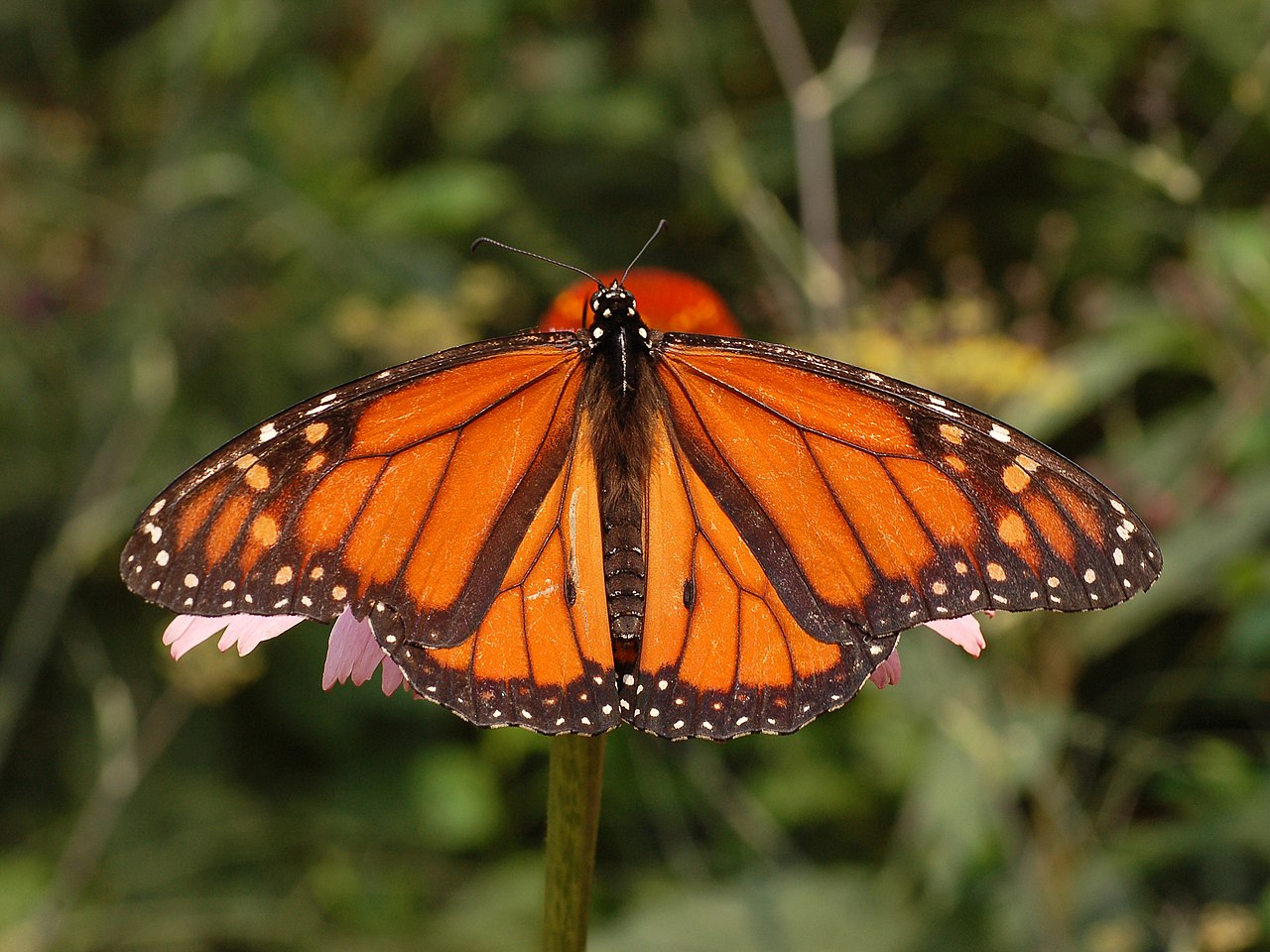
The monarch butterfly (Danaus plexippus) is a well‑known member of the brush‑footed butterfly family (Nymphalidae) and one of the most familiar butterflies in North America. Recognized for its bright orange wings banded with black and dotted with white spots, the monarch is notable not only for its distinctive appearance but also for an extraordinary annual migration that spans thousands of kilometres for some populations. For basic species information see Danaus plexippus summary.
Image gallery
10 Images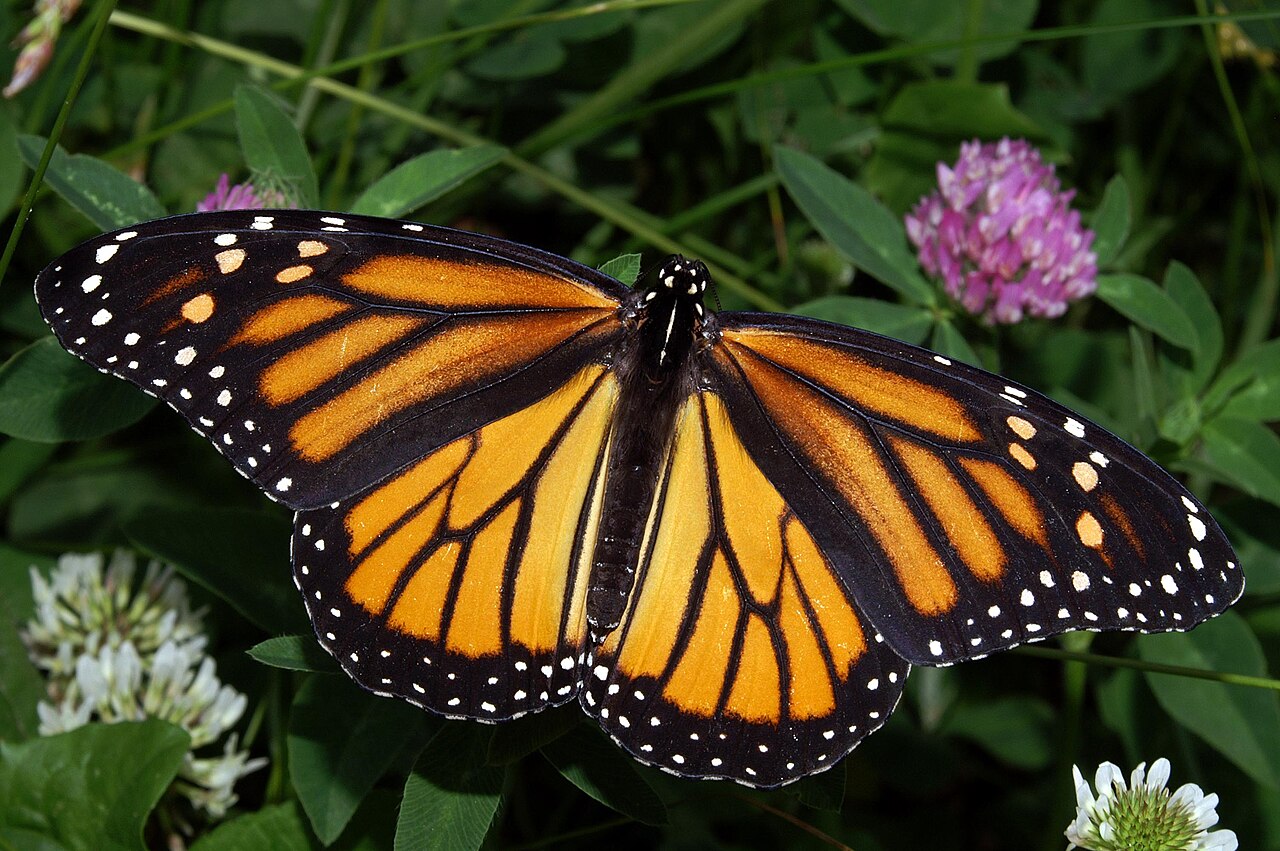




Appearance and life cycle
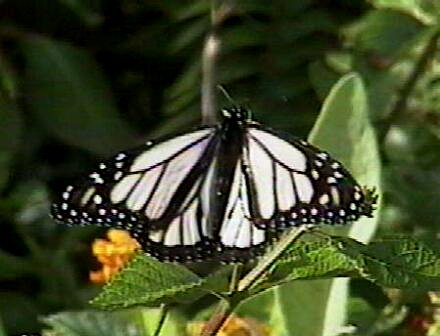
Adult monarchs have two forewings and two hindwings with a black vein pattern and a margin of black with white spots. Like other Nymphalidae, monarchs have reduced forelegs that are not used for walking. The complete life cycle includes four stages: egg, larva (caterpillar), pupa (chrysalis) and adult. Caterpillars feed almost exclusively on milkweed plants (Asclepias spp.), from which they sequester cardiac glycosides that make them unpalatable to many predators.
Migration and generations
Monarchs in North America are famous for a seasonal, long‑distance migration. Populations east of the Rocky Mountains travel south in autumn to overwintering sites, while western populations typically spend winters along the California coast. No single butterfly completes the entire round trip. The round trip is accomplished over multiple generations: successive summer generations move northward as temperatures rise, while a late‑season, long‑lived "super generation" delays reproduction, flies far south to overwinter, and then breeds in spring to begin the northward recolonization. A migration summary and route maps are available through resources such as migration maps.
Habitat, threats, and ecology
Monarchs require habitat that provides nectar sources for adults and milkweed for larvae. Overwintering sites are often in groves of specific trees that moderate temperature and humidity. Threats include loss of milkweed and nectar plants due to land use change, pesticide exposure, severe weather events, and diseases and parasites such as Ophryocystis elektroscirrha. Freezing conditions at overwintering sites can be lethal, so monarchs must reach frost‑free microclimates to survive winter; see related climate and survival information at overwintering conditions.
Conservation, uses and public interest
Monarchs are a focus of conservation programs and citizen science because their migration is visible and culturally resonant. Common conservation actions include planting native milkweeds and nectar plants, protecting overwintering habitats, reducing pesticide use, and participating in monitoring and tagging projects. Educational programs emphasize the monarch as an indicator of ecosystem health and a tool for teaching life cycles and migration ecology.
Distinctions and notable facts
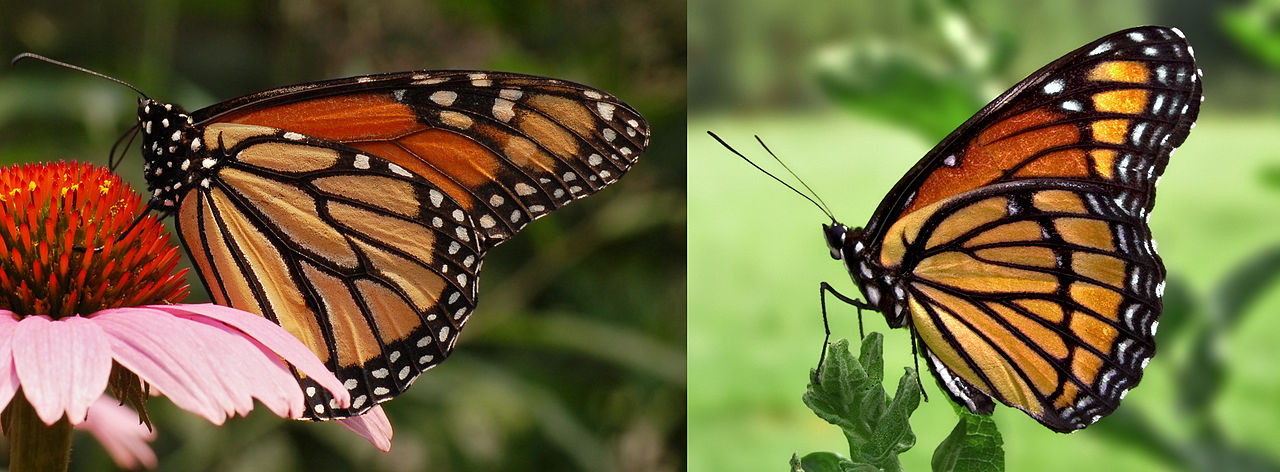
The monarch is frequently mimicked by the viceroy butterfly; the viceroy can be distinguished by a horizontal black line across the hindwing and differences in size and flight. Monarch research has contributed to understanding animal navigation, the physiology of long‑distance flight, chemical defenses derived from host plants, and multigenerational migratory strategies. For further reading and identification resources, consult species pages and regional guides such as migration maps or general family overviews at Nymphalidae references.
- Life stages: egg, larva (caterpillar), pupa (chrysalis), adult.
- Key plants: milkweeds (larval host) and diverse nectar sources (adults).
- Actions to help: plant milkweed, create nectar gardens, avoid unnecessary pesticides, support habitat protection.
Questions and answers
Q: What is the monarch butterfly?
A: The monarch butterfly is an insect in the Nymphalidae family and is the best-known butterfly in North America.
Q: What are monarch butterflies known for?
A: Monarchs are known for their long annual migrations.
Q: When do monarch butterflies start to migrate south?
A: Monarchs begin to migrate south in about August.
Q: Why do monarch butterflies migrate south?
A: Monarchs migrate south to get to frost-free areas because freezing will kill them.
Q: When does the migration toward the north start?
A: The migration toward the north starts in the spring.
Q: How many generations is the monarch butterfly migration north across?
A: The monarch butterfly migration north span the life of three to four generations of the butterfly.
Q: What happens during the southward migration and northward return of monarch butterflies?
A: The monarch is famous for its southward migration and northward return in summer. A longer-lived "super generation" flies from the northern-most parts of the butterfly's range in Canada all the way to Mexico. It overwinters in the south, and breeds in the spring to start the next generation flying north.
Related articles
Author
AlegsaOnline.com Monarch butterfly (Danaus plexippus): appearance, life cycle, and migration Leandro Alegsa
URL: https://en.alegsaonline.com/art/65943
Sources
- explorer.natureserve.org : Monarch
- books.google.com : The Generic Names of British Insects
- books.google.com : The butterflies of the eastern United States and Canada with special reference to New England
- fs.fed.us : Migration and overwintering. USDA Forest Service
- monarchwatch.org : "Monarch watch"
- pc.gc.ca : Point Pelee National Park - Language selection
- ngm.nationalgeographic.com : "Found at last: the monarch's winter home"
- ncbi.nlm.nih.gov : Stenoien C et al. Monarchs in decline: a collateral landscape-level effect of modern agriculture.
- fs.fed.us : "Monarch butterfly: North America's migrating insect"
- nytimes.com : Monarch migration plunges to lowest level in decades
- animaldiversity.ummz.umich.edu : "ADW: Danaus plexippus: Information"
- doi.org : 10.1038/hdy.1990.110
- research.yale.edu : "Causes of death encountered during rearing of Danaus plexippus (Danaidae)"
- archives.state.al.us : "Official Alabama Insect"