
Mollusc (Mollusca): diversity, anatomy, evolution and human relevance
Molluscs (Mollusca) are a diverse phylum of mostly marine invertebrates including snails, clams and cephalopods; this article reviews their anatomy, major groups, evolution, ecology and human importance.
Overview
Molluscs (phylum Mollusca) form one of the largest and most varied groups of invertebrate animals. Most species are marine and commonly inhabit the ocean, from tidal zones to the deep sea, but many have adapted to freshwater and terrestrial habitats. They range in form from the mobile, shell-less octopus to the sedentary, two‑valved mussel. Their diversity in size, shape and lifestyle makes them ecologically prominent in many ecosystems.
Image gallery
10 Images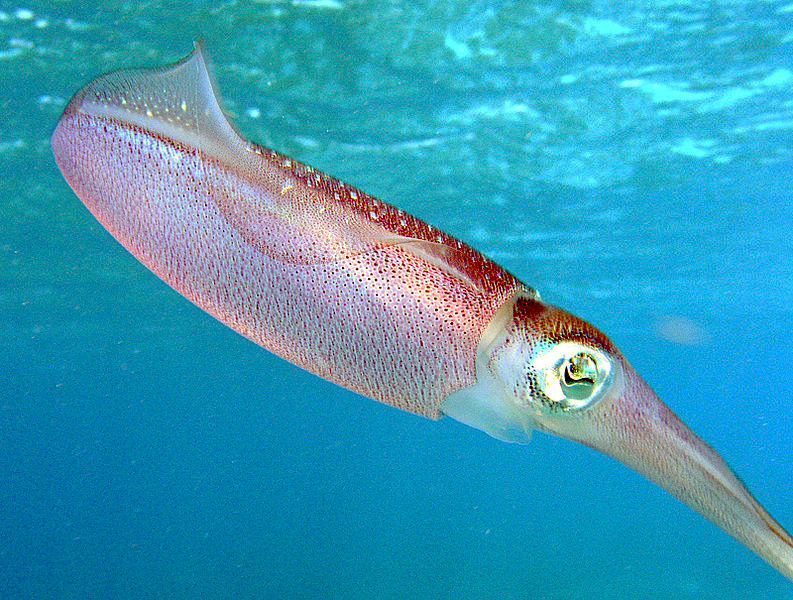


Key characteristics and anatomy
Although molluscs vary widely, they share a basic body plan that may include a mantle (a tissue layer that secretes a protective covering), a muscular foot used for locomotion or attachment, and a visceral mass containing internal organs. Many have a rasping radula for feeding, though it is absent in some groups. A hard external shell is common but not universal; in several lineages the shell has been reduced or lost entirely, as in slugs and some cephalopods. Respiratory and circulatory structures differ among classes, from gills in many aquatic forms to lung-like cavities in land snails.
Major groups
- Gastropods: snails and slugs, the most speciose class, occupying marine, freshwater and terrestrial realms (includes nudibranchs sometimes called sea slugs).
- Bivalves: clams, oysters, mussels and scallops with two-part shells and filter-feeding habits.
- Cephalopods: octopuses, squids and cuttlefish—active predators with advanced nervous systems and complex behaviors.
- Polyplacophorans (chitons) and Scaphopods (tusk shells), smaller groups with distinctive morphologies.
Evolution and fossil record
Molluscs appear early in the fossil record and have left abundant shelly remains. Their long evolutionary history includes major episodes of diversification and repeated innovations such as torsion in gastropods and the development of complex eyes in cephalopods. They are often compared to brachiopods (brachiopods) as contemporaneous shelled animals in palaeoecosystems, but molluscs achieved greater ecological variety and adaptive success in many marine habitats.
Ecology, uses and importance
Molluscs play key ecological roles: many bivalves filter water and shape sediments, gastropods graze algae and recycle matter, and cephalopods are important predators. Humans rely on molluscs for food (oysters, clams, mussels, squid), for pearls and shell material, and as model organisms in research. Some species are invasive or pests in aquaculture, while others serve as bioindicators of environmental change.
Notable distinctions and facts
Within the phylum there is striking plasticity of form and life history: hermaphroditism occurs in many gastropods, while cephalopods generally have separate sexes and complex reproductive behaviors. Some molluscs show remarkable intelligence and problem-solving (notably octopuses), and others produce biomineralized structures studied for materials science. Despite the common image of a hard shell, many successful molluscs are shell-less; the term "mollusc" therefore covers a broad set of adaptations rather than a single body plan.
More on classification • Invertebrate biology • Marine habitats • Comparative fossils • Shell formation • Terrestrial slugs • Nudibranch diversity
Questions and answers
Q: What are mollusks?
A: Mollusks are an important phylum of invertebrate animals that are mostly marine animals, but they also occur in freshwater and on land.
Q: How many living species are in the mollusk phylum?
A: There are about 85,000 living species in the mollusk phylum, which is 23% of all named marine organisms.
Q: Where do mollusks live?
A: Mollusks mostly live in the ocean but they can also be found in freshwater and on land.
Q: What makes mollusks diverse?
A: Mollusks are extremely varied and diverse, which may be why there is no word in English for the phylum as a whole.
Q: Do all mollusks have shells?
A: No, some groups of mollusks such as octopods, slugs, and the gastropods known as sea slugs do not have shells.
Q: How do mollusks compare to brachiopods in terms of variety?
A: Mollusks have much more variety than their ancient rivals, the brachiopods.
Q: What does the statement "mollusks are plastic material" mean?
A: In an evolutionary sense, "mollusks are plastic material" means they have a great variability and potential for change over time.
Related articles
Author
AlegsaOnline.com Mollusc (Mollusca): diversity, anatomy, evolution and human relevance Leandro Alegsa
URL: https://en.alegsaonline.com/art/65886
Sources
- species.wikimedia.org : Mollusca
- macroevolution.narod.ru : Adaptive radiation of the Cambrian helcionelloid mollusks (Gastropoda, Archaeobranchia).
- books.google.com : "The Cambrian 'basement' of gastropod evolution"
- doi.org : 10.1144/SP286.31