
Milk substitute
Products that imitate animal milk using plant, grain, nut, or seed ingredients; used for dietary, environmental, medical, and culinary reasons.
A milk substitute is a beverage or ingredient formulated to resemble animal milk in appearance, texture and taste. Such a milk-like product can serve as a direct alternative in drinks, cooking and baking. Substitutes are chosen for dietary needs, personal ethics, environmental concerns, or allergies.
Image gallery
6 Images




Composition and manufacturing
Plant-based milks are created by extracting solids from a source (grain, legume, nut or seed), mixing with water, and stabilizing the result. Many commercial versions include added fat sources and added proteins, along with emulsifiers, thickeners and flavorings to achieve a consistent mouthfeel. Fortification with calcium and vitamins (notably vitamin D and B12) is common to better match the nutritional profile of cow's milk.
Types and examples
- Soy milk — derived from whole soybeans; one of the closest plant-based sources of complete protein. (soy milk)
- Oat and grain milks — such as oat milk, made from oats, valued for a naturally sweet, creamy texture.
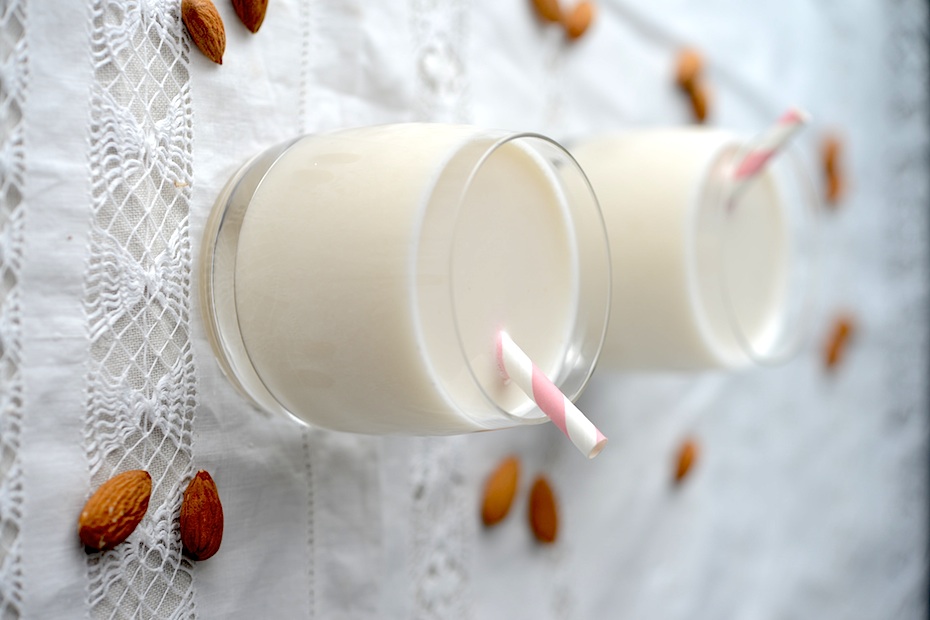
- Nut milks — almond and cashew are popular for mild flavor and low protein; peanut milk is less common but used regionally.
- Seed and coconut milks — hemp and flaxseed varieties exist; coconut milk is richer and higher in saturated fat.
Terminology varies by region and regulation: some jurisdictions restrict the word "milk" to mammalian lactation products, while others allow descriptive use for plant beverages.
History, uses and considerations
Animal milk is produced by the mammary glands of mammals, but alternatives have long histories: soy-based beverages in East Asia and almond milk in medieval cuisines predate modern industrial production. Today substitutes are used by people with lactose intolerance, those with cow's milk protein allergy, vegans, or consumers seeking lower environmental impact. Nutritionally, plant milks vary widely—protein, fat type and micronutrient content differ—so consumers may choose fortified or protein-enriched options depending on dietary needs.
Notable facts: some plant milks are better suited for barista use because of frothing stability; others are preferred in savory cooking or desserts. Labels and ingredients should be read for added sugars, stabilizers and allergen declarations.
Related articles
Author
AlegsaOnline.com Milk substitute Leandro Alegsa
URL: https://en.alegsaonline.com/art/64993