
Soy milk: overview, history, production, and uses
Plant-based beverage made from soybeans. Covers origin, production methods, nutritional characteristics, culinary uses, variants, and considerations such as allergies and fortification.
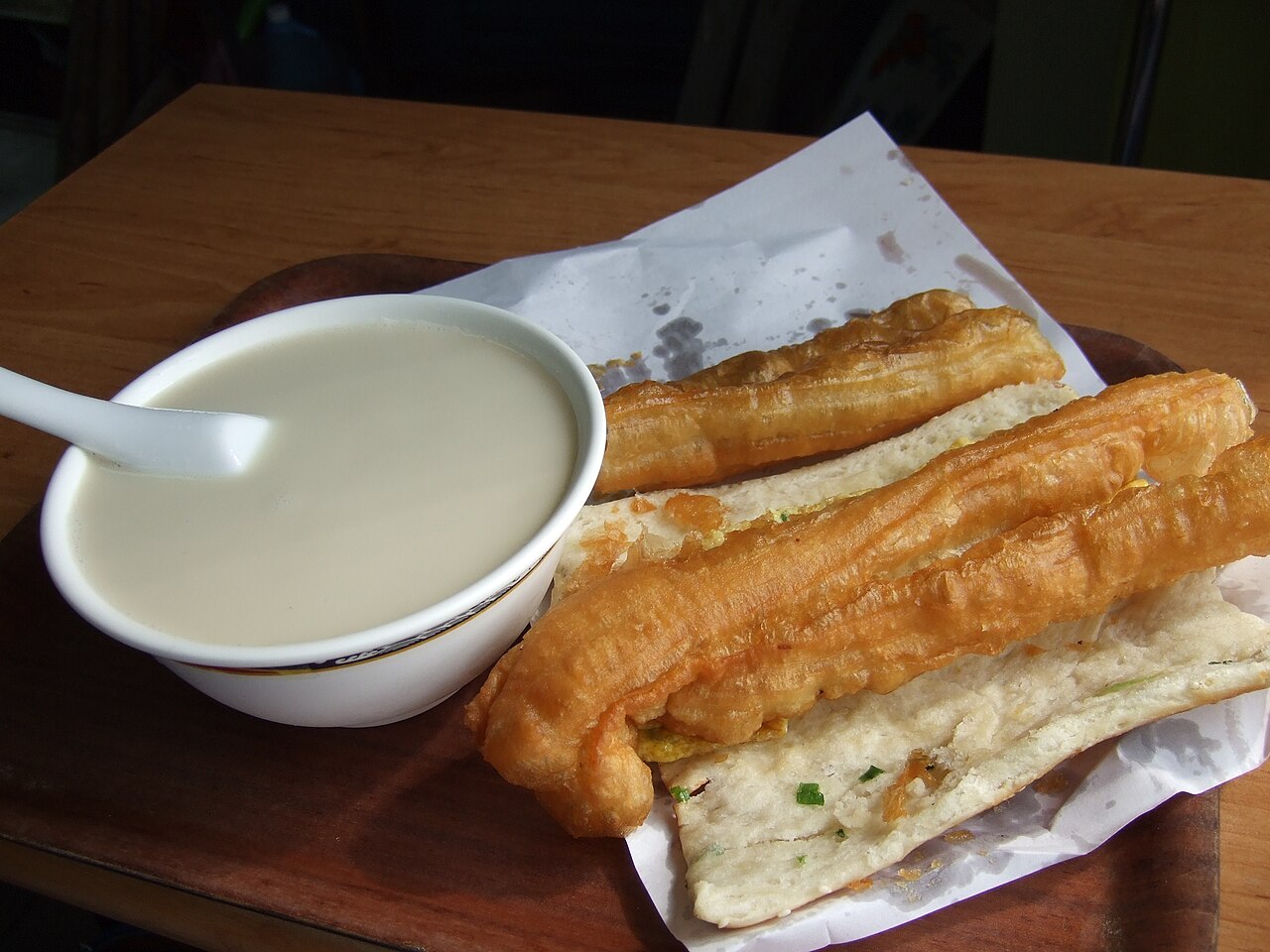
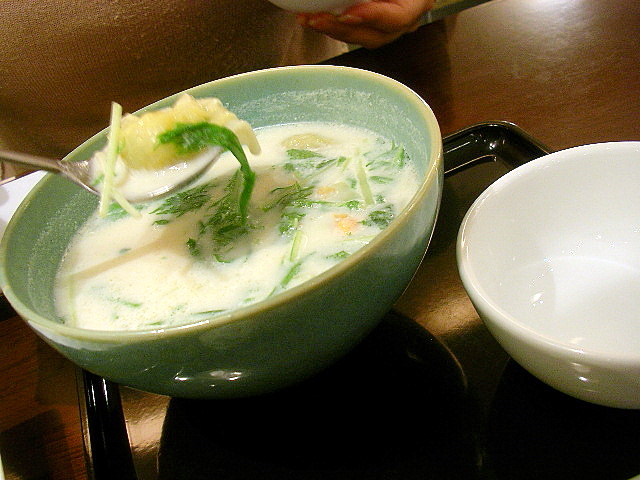
Soy milk is a plant-based, milk-like beverage produced by soaking, grinding, and extracting liquid from soybeans. It is commonly called soymilk, soya milk, soy beverage, or soybean milk. Available in unsweetened, sweetened, and flavored forms, commercial soy milk is often stabilized and fortified with vitamins and minerals so it can be used as a dairy alternative in drinks and recipes. For a general definition see milk-like beverages.
Image gallery
4 Images

Characteristics and production
Soy milk has a pale, creamy appearance and a mildly beany flavor that varies with processing. Basic home or small-scale production follows a simple sequence: soaking dry beans, grinding them with water, heating the slurry to improve flavor and safety, and separating solids from liquid. Industrial production adds steps for homogenization, heat treatment, emulsification, sweetening, and fortification to extend shelf life and create consistent texture.
- Typical steps: soak → grind → cook → separate → stabilize/fortify.
- Byproducts: solids (okara) can be used in food or animal feed.
- Variants include unsweetened, sweetened, organic, and flavored types (vanilla, chocolate).
History and geographic origins
Soy milk has deep roots in East Asia. The soybean plant was domesticated in China, where soy-based foods developed over centuries. Historical accounts and food traditions link early forms of soy-based beverages to Chinese cuisine and scholarship; see historical overviews at origin summaries. The soybean later spread to neighboring regions, notably Japan, where related soy foods and methods evolved; for more on the plant’s native range see soybean nativity and for cultural diffusion to Japan see Japanese soy food history.
Nutrition, variants and labeling
Soy milk is a source of plant protein and is naturally lactose-free, making it a common choice for people who avoid dairy. Nutrient profiles differ between homemade and commercial products: many commercial varieties are fortified with calcium, vitamin D, and B vitamins to better match the nutrient content of cow’s milk. Consumers will find options labeled as "unsweetened," "fortified," or "organic," and should read labels for added sugars, oils, and emulsifiers.
Uses, culinary roles and importance
Use cases for soy milk include drinking it plain, adding it to coffee and tea, baking, cooking sauces, and as a base for plant-based desserts. It also serves as the starting liquid for some tofu production methods. In markets where dairy alternatives are in demand, soy milk remains popular for its protein content and versatility.
Important distinctions and considerations include soy allergy, which affects some people, and the presence of naturally occurring compounds such as isoflavones; public discussion of their effects is ongoing and recommendations vary by context. From an environmental perspective, soy milk production generally requires different land and resource inputs than dairy; specific impacts depend on agricultural practices. For personalized dietary advice, consult health professionals or registered dietitians.
Related articles
Author
AlegsaOnline.com Soy milk: overview, history, production, and uses Leandro Alegsa
URL: https://en.alegsaonline.com/art/92379