
Mirepoix (culinary aromatic base)
Classical French aromatic mix of onions, carrots and celery used to flavor stocks, soups, sauces and stews; includes ratios, preparation, history, variations and culinary equivalents.
Overview
Mirepoix is the traditional French aromatic base made from diced onions, carrots and celery. It functions as a flavor foundation for stocks, soups, stews, braises and many sauces, and is a fundamental technique taught in classic culinary training. The name is French and the term appears in many culinary references; it is sometimes described simply as a French term for a cooking condiment or flavoring element. Mirepoix may be prepared raw, gently sweated, roasted or lightly sautéed to develop different levels of sweetness and color, depending on the dish and the method of cooking.
Image gallery
4 Images


Ingredients and typical ratios
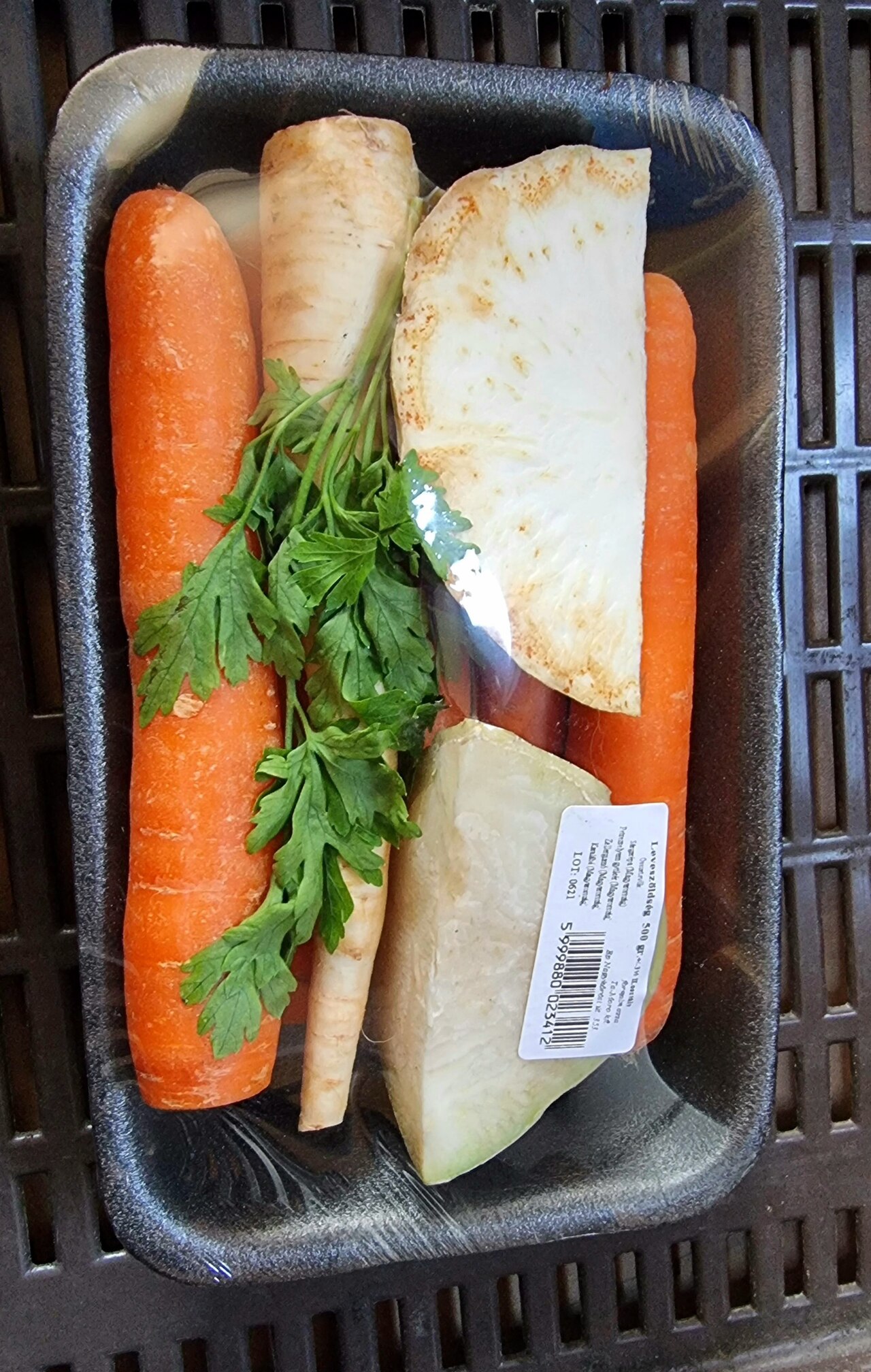
The canonical composition of mirepoix is three vegetables: onion, carrot and celery. The usual volume ratio is two parts onion to one part carrot and one part celery (2:1:1). These vegetables are collectively classed as aromatics and provide sweetness, savory depth and aromatic lift. For white stocks and other pale preparations, carrots may be replaced with parsnips to avoid adding color. When making meat or bone stocks, a common guideline is to use approximately one part mirepoix to ten parts bones by weight, though this is adapted by cooks to taste and the intensity desired.
Preparation and culinary uses
Mirepoix can be cut to different sizes — finely minced for a delicate sauce, medium dice for soups, or larger for long stews. Typical methods include sweating in fat (butter or oil) without browning to release aromatics, or roasting to develop caramelized flavors. It is an essential component of classic stocks and fonds and functions as the aromatic backbone for sauces, ragouts, pot roasts and vegetable dishes. Common uses include beef or chicken stock, vegetable broth, gravy bases and braising liquids. See additional notes on specific cooking techniques in the literature and training manuals on stocks.
Variations and regional equivalents
- Mirepoix au gras or Matignon: includes diced ham or pork belly in addition to the vegetables to add savory fat and flavor (onions, carrots, celery plus pork).
- Holy Trinity: a Cajun/Creole variation substituting bell pepper for carrot, used extensively in Louisiana cooking (stocks, stews).
- Soffritto (Italian) and battuto: similar concept using onion, celery and sometimes garlic or herbs (sautéing).
- Other additions: leeks, parsnips, garlic, shallots, tomatoes or mushrooms may be included depending on regional taste (leeks, parsnips, garlic).
History and name
The term mirepoix is generally associated with a noble French family, the house of Lévis, seigneurs of Mirepoix in Languedoc. Culinary dictionaries credit a specific 18th-century patron, Charles-Pierre-Gaston de Lévis, duc de Lévis-Mirepoix, with popularizing a named technique, although the practice of using aromatic vegetables long predates that attribution. The label reflects an instance where a culinary method became linked to a patron or household name, a not uncommon pattern in French gastronomic history.
Practical tips, storage and distinctions
Prepare mirepoix by cutting vegetables to a consistent size for even cooking. Use a neutral or clarified butter for gentle sweating, or olive oil for Mediterranean preparations. Leftover mirepoix can be refrigerated for a couple of days or frozen in portions for quick stocks and sauces. When color needs to be avoided, swap carrots for parsnips or omit them entirely. In some cuisines the aromatic base is known by other names or modified with local peppers, herbs or cured meats; understanding these equivalents helps cooks adapt recipes across traditions (tomatoes, shallots, mushrooms, ginger).
For more detailed procedural guidance, classic references and culinary schools typically provide step-by-step demonstrations and variant recipes; consult technical sections on mirepoix, matignon and regional trinity preparations for technique and timing (ham, Mirepoix family).
Questions and answers
Q: What is Mirepoix?
A: Mirepoix is the French name for a condiment used for cooking. It consists of onions, carrots and celery (either common Pascal celery or celeriac).
Q: How is Mirepoix used in cooking?
A: Mirepoix is used in many dishes such as stocks, soups, stews and sauces. It can be used either raw, roasted or sautéed with butter.
Q: What other ingredients are sometimes included in similar combinations to mirepoix?
A: Similar combinations to mirepoix may include leeks, parsnips, garlic, tomatoes, shallots, mushrooms, bell peppers, chilies and ginger. For the combination mirepoix au gras additional ingredients such as ham or pork belly are also used. In Cajun cuisine a trinity of onions, celery and bell peppers may be used instead of mirepoix.
Q: What is the traditional ratio for making mirepoix?
A: The traditional ratio for making mirepox is 2 parts onion : 1 part celery : 1 part carrot. When making a white stock or fond blanc parsnips are often substituted for carrots to maintain the pale color.
Q: Who established the name "Mirepoix"?
A: The name "Miroepox" was established by the chef of one of the house of Lévis seigneurs from Miroepox since 11th century - Charles-Pierre-Gaston François de Lévis duc de Lévis-Miroepox (1699-1757), maréchal de France and ambassador of Louis XV.
Q: What does "aromatics" refer to when talking about miroepox?
A:" Aromatics" refers to the three main ingredients that make up mirpoeux - onions , carrots and celery (either common Pascal celery or celeriac).
Related articles
Author
AlegsaOnline.com Mirepoix (culinary aromatic base) Leandro Alegsa
URL: https://en.alegsaonline.com/art/65376
Sources
- canalacademie.com : Jean Vitaux, "Peut-on écrire l’histoire de la gastronomie ?"
- chefsimon.com : Petit lexique culinaire