
Miso soup (Japanese misoshiru): ingredients, history, and preparation
Miso soup is a traditional Japanese broth made by dissolving miso paste into dashi and adding ingredients like tofu, seaweed, and vegetables. It varies by miso type and regional practice.
Overview
Miso soup, known in Japanese as misoshiru, is a simple clear soup that is a central part of everyday meals in Japan. At its heart the dish combines a savory stock called dashi with fermented soybean paste known as miso. The resulting broth carries a soft, rounded umami and serves as a base for many different solid ingredients. It is traditionally served hot in small bowls and sipped directly from the vessel while the solids are eaten with chopsticks.
Image gallery
10 Images



Main components and common ingredients
A classic miso soup has two principal components: the liquid stock and the miso paste. Stocks vary from simple kelp-based broths to mixtures that include dried bonito flakes. Many modern cooks also use packaged dashi granules or vegetarian dashi alternatives.
- Stocks: kelp (kombu), dried bonito (katsuobushi) or store-bought dashi.
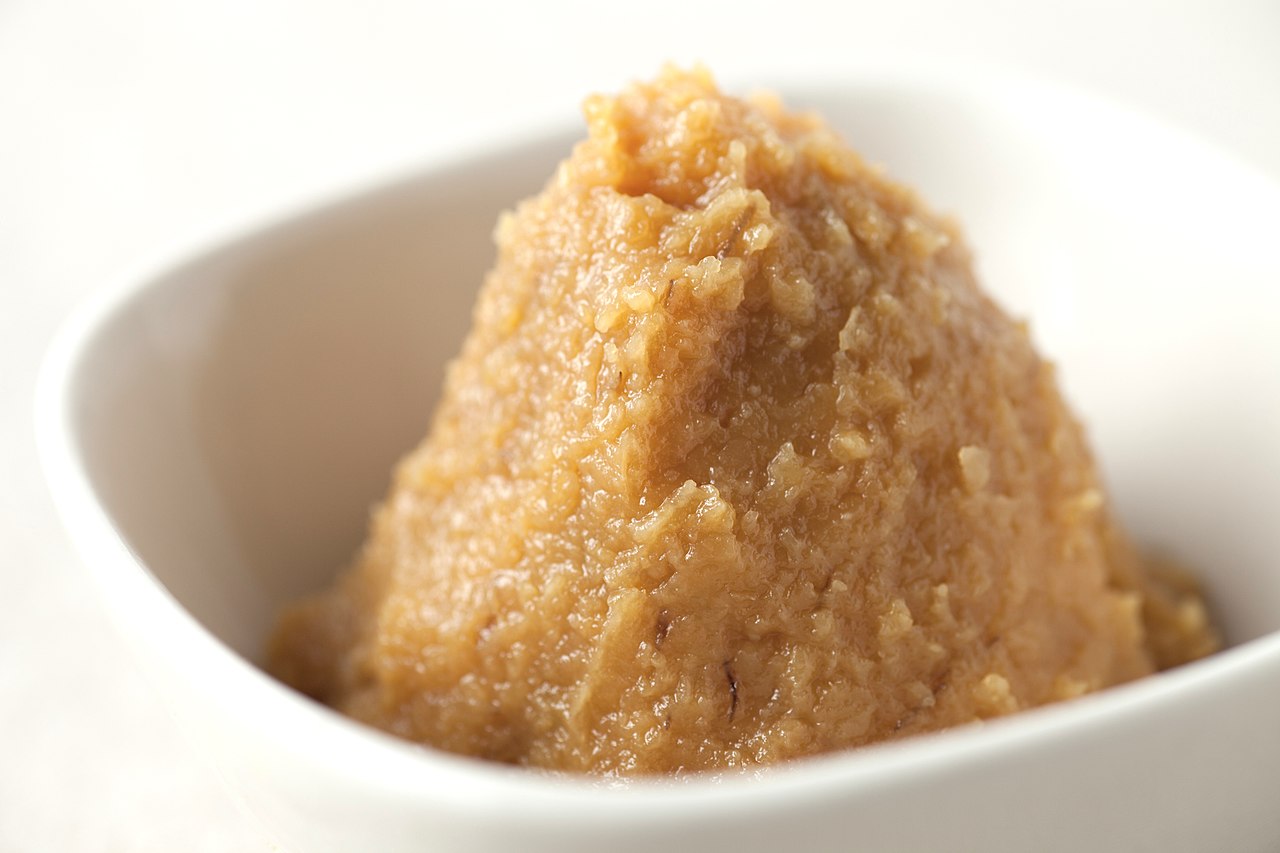
- Miso: white, red, or blended pastes that change flavor and color; see varieties below. (miso)
- Typical solids: soft tofu cubes (tofu), wakame seaweed (wakame / seaweed), sliced green onion, mushrooms, and seasonal vegetables.
- Optional: clams, fish, root vegetables or egg can be added for regional or household variations.
History and development
Fermented soybean pastes have a long history in East Asia, and miso as a seasoning developed over centuries as a durable source of protein and flavor. Over time, the practice of combining miso with a light stock became widespread in Japan as a daily soup accompanying rice and pickles. Recipes and preferences evolved regionally, producing many local miso types and customary additions.
Preparation and serving
Basic preparation begins with making or reheating dashi, then removing the pot from direct heat and whisking in miso so it dissolves without boiling (boiling can dull aroma and beneficial enzymes). Ingredients that hold together when boiled, such as roots or mushrooms, are often cooked in the stock first; delicate items like tofu and wakame are added near the end. Miso soup is commonly served in small bowls, sometimes lacquered (lacquer bowls), and consumed immediately while warm.
Varieties and regional differences
There are three general categories of miso used for soup: white (milder and sweeter), red (stronger, saltier, more fermented), and mixed blends that balance both. Different prefectures favor distinct miso styles and ingredient combinations; coastal areas may add clams, while northern regions prefer darker miso and heartier vegetables.
Cultural role and notable facts
Miso soup is more than a dish: it functions as comfort food, a palate cleanser, and a habitual part of Japanese breakfasts, lunches and dinners. It is appreciated for its approachable umami, its versatility, and its ability to showcase seasonal produce. Nutritionally, miso soup provides protein, simple minerals, and hydration; because miso contains salt, people often adjust serving portions or choose lighter pastes. For more detailed recipes and cultural notes see further reading.
Common etiquette: the broth is sipped from the bowl and solids are eaten with chopsticks. Enjoying miso soup while it is hot and freshly made gives the best flavor and texture.
Related articles
Author
AlegsaOnline.com Miso soup (Japanese misoshiru): ingredients, history, and preparation Leandro Alegsa
URL: https://en.alegsaonline.com/art/65440