
Mince pie — British Christmas pastry with spiced fruit filling
A small British sweet pastry traditionally served at Christmas. Once savoury with meat and suet, it evolved into a fruit-and-spice filling called mincemeat; many modern variations exist, including vegetarian options.
Overview
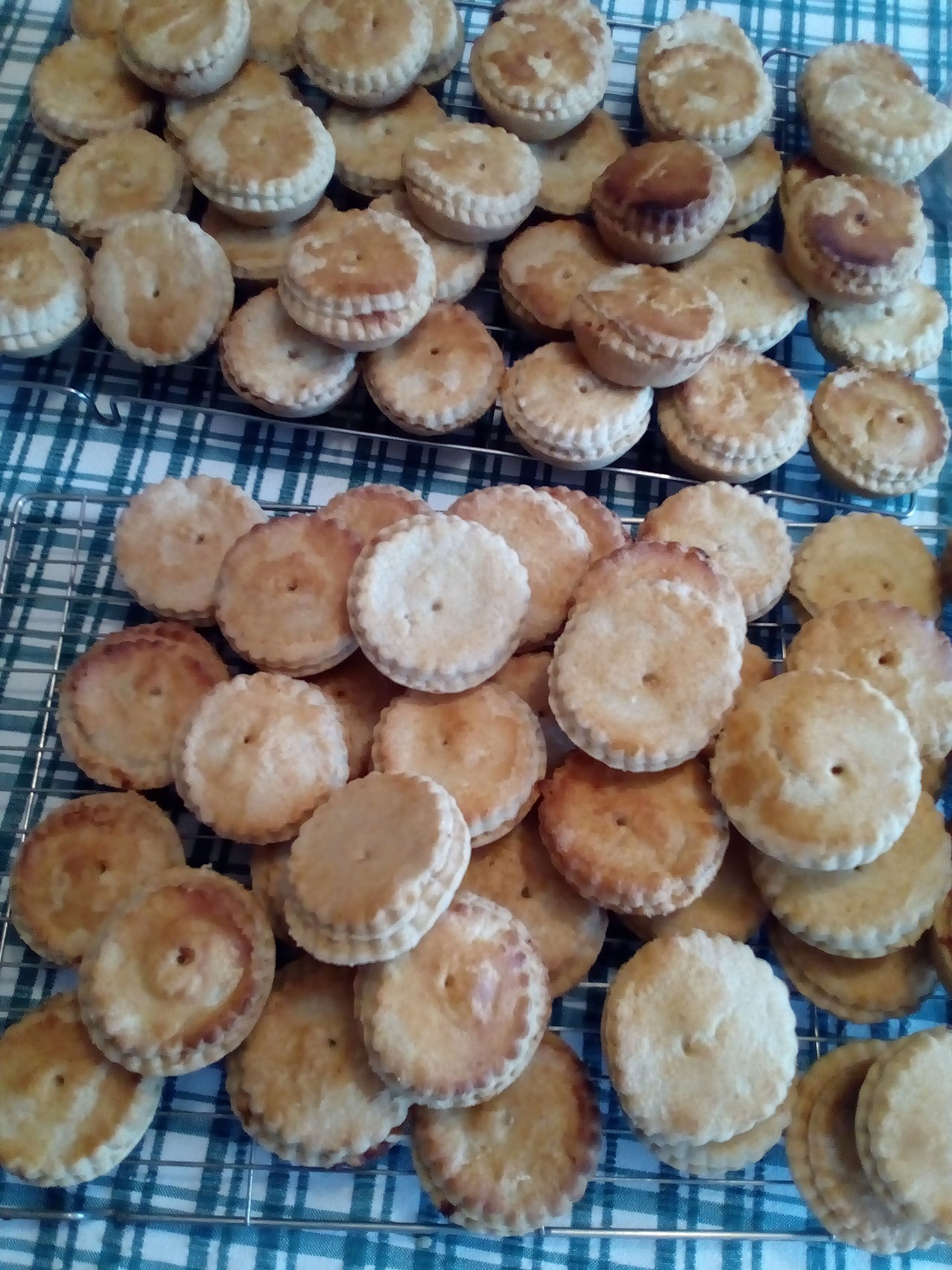
A mince pie is a small British pastry traditionally associated with the Christmas season. Contemporary mince pies are sweet and filled with a mixture commonly called "mincemeat" — a blend of dried fruits, chopped apple, sugar, spices and fat. Although the name preserves the word "meat," most modern versions are meatless; the filling is valued for its balance of dried fruit, warm spices and often a splash of spirit or citrus zest. Mince pies are sold commercially, made at home, and feature prominently at festive gatherings, markets and seasonal celebrations.
Image gallery
10 Images


Origins and medieval history
The combination of meat, fruit and spices in a pastry has roots in medieval Europe. Culinary exchange with the Middle East gained momentum after the crusades, and returning crusaders helped introduce recipes that mixed meats, fruits and aromatic spices. These influences can be traced in references to the Holy Land and in English cookery from the later Middle Ages. Early pies were often large and oblong; the pastry case was sometimes called a "coffin" in old cookery texts, reflecting both form and function.
Names and evolution
Over time the dish was known by several names. Historical labels such as mutton pie, shrid pie and Christmas pie reflect its original inclusion of minced or shredded meat and suet. By the early modern period — including Tudor England — recipes began to incorporate more dried fruit and spices such as cinnamon, cloves and nutmeg. Gradually the balance shifted toward a sweeter profile, and the meat element was reduced or omitted, producing the sweet mince pie recognized today.
Typical ingredients
Traditional ingredients for the filling include a mix of dried fruits — raisins, currants and sultanas — along with chopped apple, sugar and a fat such as suet. Modern recipes often substitute vegetable suet or other fats for a vegetarian alternative. Other common additions are citrus zest, preserved peel, nuts in some regional recipes, and spirits such as brandy or rum which act both as flavoring and as a preservative in homemade mincemeat jars.
Preparation and pastry
Mincemeat is usually encased in shortcrust or flaky pastry and baked as individual cases or as larger family pies. Small round tarts are common, often topped with a full lid, a small pastry star or left open to show the filling. Commercial producers sell ready-made mincemeat in jars and tubs, while many families prefer to make mincemeat in advance, allowing flavors to mature over weeks.
Customs and serving
Mince pies are eaten throughout the festive period, from late November into January in some households. They are typically served warm and may be accompanied by cream, custard, brandy butter or ice cream. In the United Kingdom and in places influenced by British tradition, mince pies often appear at parties, as part of seasonal hospitality, and as items at Christmas markets.
Variations and modern trends
Regional and household variations are common. Some bakers preserve a small amount of meat or use beef suet in homage to historic recipes, while others favor vegetarian or vegan formulations. Gluten-free pastry options and lighter, less-sweet versions also exist. Contemporary chefs sometimes experiment with fillings, pastry shapes and presentation while keeping the characteristic aromatic spice blend.
Cultural and symbolic notes
Spices used in mincemeat have been the subject of symbolic interpretation; historians note that exotic spices in festive dishes could connote luxury or reference long-distance trade. One traditional account links the use of warming spices to the gifts of the Magi, though such explanations are presented cautiously by modern scholars. The persistence of mince pies in holiday customs illustrates how recipes adapt while retaining links to the past.
Quick facts
- Seasonal association: closely tied to the Christmas season.
- Origins: influenced by returning crusaders and culinary contacts with the Holy Land.
- Traditional fat: suet, though vegetable alternatives are common today.
- Spices: typical choices include cinnamon, cloves and nutmeg.
- Terminology: described as a British fruit-based sweet pie with historical names like mutton pie and shrid pie.
For those interested in making mince pies at home, basic guidance includes gently simmering the filling ingredients to meld flavors, allowing mincemeat to mature before use, and blind-baking delicate pastry cases when necessary to prevent sogginess. Whether enjoyed as a small tart at a seasonal gathering or baked as a larger family pie, the mince pie remains a widely recognized emblem of winter festivities in British-influenced culinary cultures.
Questions and answers
Q: What is a mince pie?
A: A mince pie is a small British fruit-based sweet pie that is usually served during the Christmas season.
Q: Where did the ingredients for mince pies originate?
A: The ingredients for mince pies can be traced to the return of European crusaders from the Holy Land, where Middle Eastern methods of cooking, which sometimes combined meats, fruits and spices, were popular at the time.
Q: What other names have been used for mince pies in history?
A: In history, mince pies have also been known as mutton pie, shrid pie and Christmas pie.
Q: What are typical ingredients in a modern day mince pie?
A: Typical ingredients in a modern day mince pie include minced meat, suet, a range of fruits and spices such as cinnamon, cloves and nutmeg.
Q: How did spices become part of traditional recipes for mince pies?
A: Spices such as cinnamon, cloves and nutmeg became part of traditional recipes for mince pies "in token of the offerings of the Eastern Magi".
Q: What shape were early versions of mince pies typically made in?
A: Early versions of mince pies were typically made in an oblong shape.
Q: Why was this particular shape chosen?
A: This particular shape was chosen because it was meant to imitate Jesus's crib or 'cratch'.
Related articles
Author
AlegsaOnline.com Mince pie — British Christmas pastry with spiced fruit filling Leandro Alegsa
URL: https://en.alegsaonline.com/art/65144