
Merchant marine: commercial fleets, roles, law and history
Overview of merchant marines: the commercial ships and crews that move goods and people, their types, legal status, wartime roles, economic importance, and the distinct U.S. usage of the term.
The term "merchant marine" refers to the commercial shipping fleet and the seafarers who staff it. In most countries, a merchant marine consists of the ships owned by private companies or individuals that are used for commercial purposes—transporting cargo, fuel and passengers for profit. These vessels operate in peacetime under commercial law and international maritime conventions, and they form a nation's principal means of participating in global trade.
Image gallery
6 Images



Characteristics and common ship types
Merchant fleets are diverse in design and function. They vary from specialized tankers to multi-purpose freighters and passenger vessels. Typical categories include:
- Cargo ships and container vessels that carry manufactured goods and packed freight.
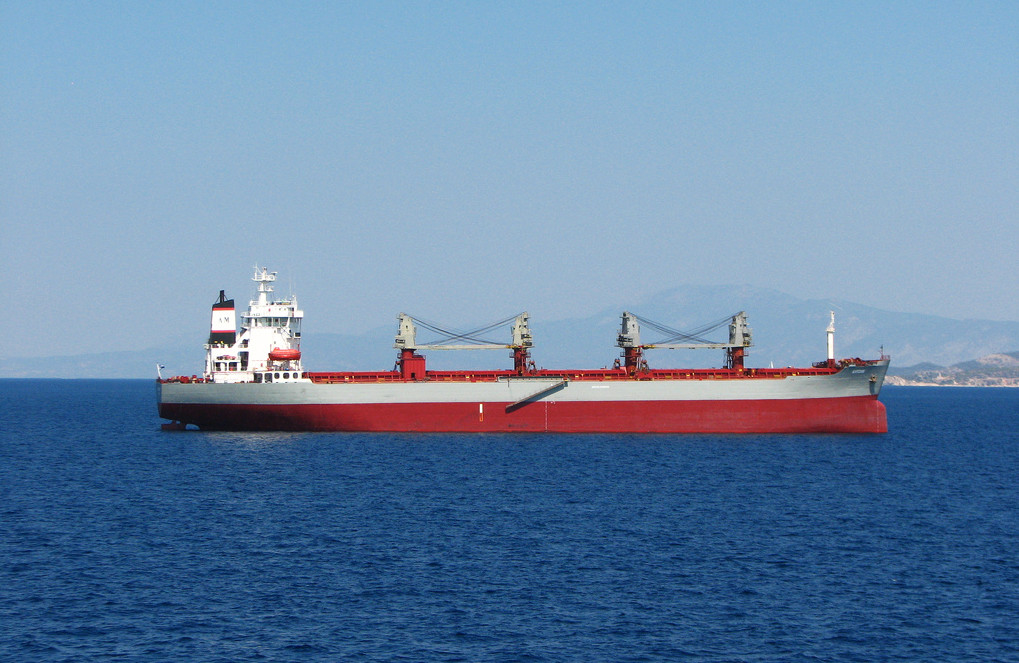
- Bulk carriers for grain, coal, ore and similar commodities.
- Oil tankers and chemical tankers that transport liquid cargoes.
- Roll-on/roll-off (ro-ro) ships for vehicles and heavy machinery.
- Ferries and cruise ships that move passengers on short or long voyages.
- Specialist vessels such as refrigerated ships, heavy-lift carriers and offshore support ships.
Legal status, registration and crews
Merchant vessels are registered under a national flag and come under that flag state's laws for safety, crewing and taxation. Some ships are flagged in countries with relatively lenient regulations—so-called "flags of convenience"—to reduce operating costs. Crews are usually a mix of officers trained in navigation and engineering and general seamen who handle cargo operations and maintenance. Training institutions, certification standards and labour rules are governed by international agreements and national administrations.
History and wartime role
Historically, merchant marines have been central to national economies and to the projection of power at sea. In peacetime they carry the bulk of a country’s external trade; in conflict they may be requisitioned to support military logistics. During major wars, merchant sailors have frequently faced danger from naval combat and submarine warfare while transporting supplies and personnel. Some governments have formal arrangements to place commercial tonnage and crews at the disposal of their armed forces in emergencies, while others rely on voluntary chartering or ad-hoc requisition.
Economic importance and examples
Global commerce depends heavily on merchant shipping because most international trade moves by sea. Oil, agricultural commodities, raw materials and manufactured products are shipped in large volumes at relatively low cost per unit. Passenger services such as ferries provide essential regional connections, and cruise shipping is a major tourism sector. The operation of a merchant marine touches many industries—shipbuilding, ports, logistics and maritime insurance—and supports thousands of jobs onshore and afloat.
Distinct uses and notable facts
Some countries use the label "merchant marine" differently. For example, the United States often treats its Merchant Marine as an organization that can serve a military logistic role in wartime and national emergencies, and merchant seafarers there have a long history of service supporting military operations. The relationship between civilian merchant fleets and national defence arrangements varies by country and is shaped by law, treaties and historic practice.
Further reading and links
- Commercial ships overview
- Crewing and seafarer roles
- National merchant marine concepts
- Shipping companies and ownership
- Private ownership of vessels
- Commercial maritime transport
- Oil tankers and bulk liquids
- Freighters and cargo types
- Cruise ships and passenger services
- Ferries and short-sea connections
- Peace-time operations
- Wartime requisition and service
- U.S. Merchant Marine context
- Military and maritime cooperation
- Government regulation of shipping
- World War II merchant shipping
- Comparisons with army logistics
- Comparisons with naval operations
- Comparisons with marine corps roles
Note: This article summarizes general concepts about merchant marines. Laws, terminology and practices differ by country and over time; readers seeking legal or operational details should consult national authorities and maritime regulators for authoritative guidance.
Questions and answers
Q: What is merchant marine?
A: Merchant marine is a term used to refer to commercial ships and their crews that are used to make money.
Q: What is a country's merchant marine made up of?
A: A country's merchant marine is made up of all the ships owned by companies or individuals in that country that are used to make money
Q: What types of ships are usually included in a country's merchant marine?
A: Most of a country's merchant marine is usually made up of ships that carry things from place to place, like oil tankers and freighters. Other ships, like cruise ships and ferries, are also included because they are used to make money.
Q: When does a country's merchant marine work independently?
A: A country's merchant marine works independently when the country is at peace.
Q: In times of war, what do some countries require merchant ships to do?
A: In times of war, some countries require merchant ships to work for their armed forces.
Q: What is the United States Merchant Marine (USMM)?
A: The United States Merchant Marine (USMM) is a part of the military which is controlled by the government in both peace and war.
Q: What was the fate of American merchant mariners during World War II?
A: In World War II, nearly one out of every twenty-six American merchant mariners was killed, a higher portion of men than in the Army, Navy, or even the Marines.
Related articles
Author
AlegsaOnline.com Merchant marine: commercial fleets, roles, law and history Leandro Alegsa
URL: https://en.alegsaonline.com/art/63902
Sources
- usmm.org : "American Merchant Marine Casualties"