
United States Army: mission, organization, history, and role
Overview of the United States Army: its purpose, leadership, components, personnel and training, historical development, and primary roles in national defense and civilian support.
Overview
The United States Army is the primary land warfare service branch of the United States Armed Forces. It is organized, trained, and equipped to conduct sustained ground operations in support of national objectives. The Army provides combat power, mobility, and sustainment on land and works with other services, allied forces, and civilian agencies to achieve strategic aims. Members of the Army are commonly referred to as soldiers, and the service includes active-duty, reserve, and National Guard components.
Image gallery
7 Images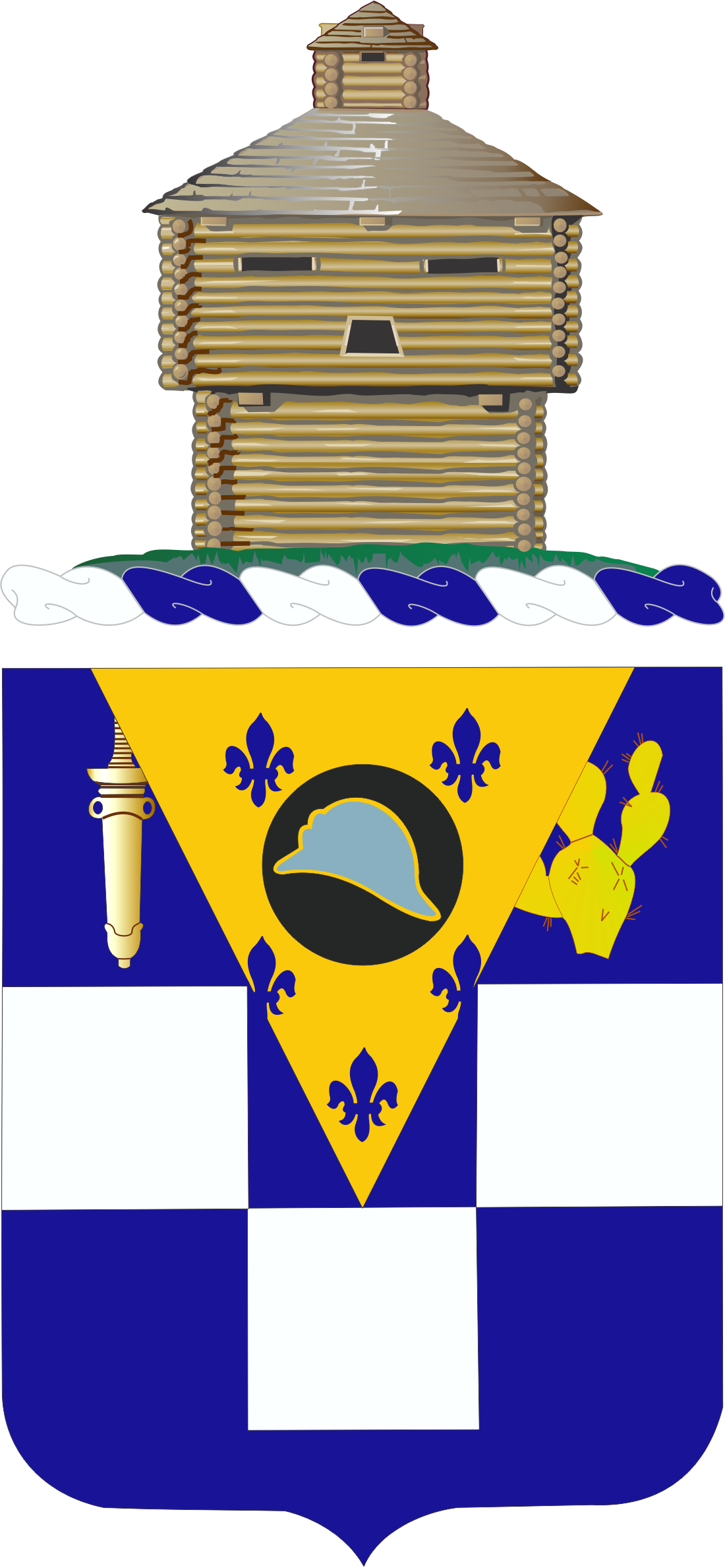


Organization and leadership
The Army is a component of the Department of Defense and is overseen by civilian and military leaders. The President of the United States serves as Commander-in-Chief. Day-to-day civilian oversight is exercised by the Secretary of the Army, while professional military leadership is provided by the Army Chief of Staff, the service’s highest-ranking uniformed officer. Under this senior leadership, the Army is organized into major commands, corps, divisions, brigades, and smaller units, each with defined roles and responsibilities.
Components and structure
- Regular Army (active duty): the full-time professional force that conducts worldwide operations.
- United States Army Reserve: a federal reserve force that provides trained units and qualified personnel to meet operational and strategic needs.
- Army National Guard: dual state and federal force that supports both state missions and federal military operations.
Within these components, soldiers serve in a wide range of branches and specialties—infantry, armor, artillery, aviation, engineering, logistics, signal and intelligence, medical services, and more—creating combined arms teams capable of diverse missions.
Roles, missions, and capabilities
The Army’s principal mission is to fight and win the nation’s wars through prompt and sustained land dominance. Key functions include maneuver and direct combat, fire support, reconnaissance and surveillance, engineering and mobility, logistics and sustainment, medical support, and communications. Beyond combat, the Army frequently conducts peacekeeping, stability operations, humanitarian assistance, disaster response, and support to civil authorities during domestic emergencies. Modern Army forces are organized to operate across the full spectrum of conflict, from low-intensity operations to large-scale combat.
People and training
Individuals entering the Army undergo formal entry training—commonly called Basic Combat Training—followed by more specialized training for their Military Occupational Specialty (MOS). The force includes enlisted soldiers, non-commissioned officers (NCOs) who provide leadership at the tactical level, and commissioned officers who command units and manage operations. Professional military education, physical conditioning, and continual technical training are central to Army development, and units maintain readiness through regular exercises and deployments.
History and development
Established in the 18th century, the Army traces its origins to the Continental Army formed during the American Revolutionary period. Over more than two centuries it has evolved through major conflicts and peacetime missions, adapting doctrine, organization, and technology. Key historical developments include the transition to a professional, volunteer force in the 20th century, the integration of mechanized and aviation capabilities, and the creation of specialized formations for rapid deployment and special operations. The Army’s history reflects changes in the character of war, advances in equipment, and shifting strategic priorities.
Distinctions and notable facts
The United States Army remains one of the largest and most diverse military organizations in the world, notable for its combined-arms approach and global reach. Army units range from light infantry platoons to armored brigades and aviation battalions, and the service plays an enduring role in alliance operations, multinational exercises, and security cooperation. Soldiers perform a wide variety of missions at home and abroad, and the Army continues to modernize its force structure, doctrine, and technologies to meet 21st-century challenges.
For further official information about structure, careers, and current policies, see resources provided by defense and service organizations or consult authoritative publications and official statements from the Department of Defense and Army leadership.
Related articles
Author
AlegsaOnline.com United States Army: mission, organization, history, and role Leandro Alegsa
URL: https://en.alegsaonline.com/art/103001