
Freighter (Cargo Ship): Types, Design, History, and Uses
Overview of freighters — ships built to transport goods by sea. Covers design features, major types, historical development, operational uses, and distinctions important to maritime trade and logistics.
A freighter, also called a cargo ship, is a seagoing vessel designed principally to carry goods, raw materials, and manufactured products between ports. These ships form the backbone of international trade, moving bulk commodities, containers, vehicles and other cargo across oceans and coastal routes. Freighters vary widely in size and configuration according to the cargo they carry and the trade routes they serve.
Image gallery
10 Images





Design and principal characteristics
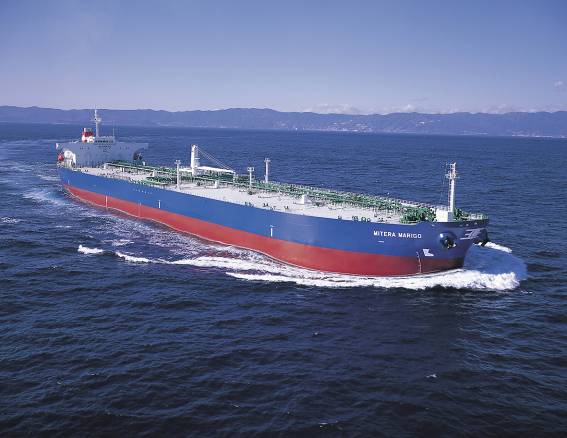
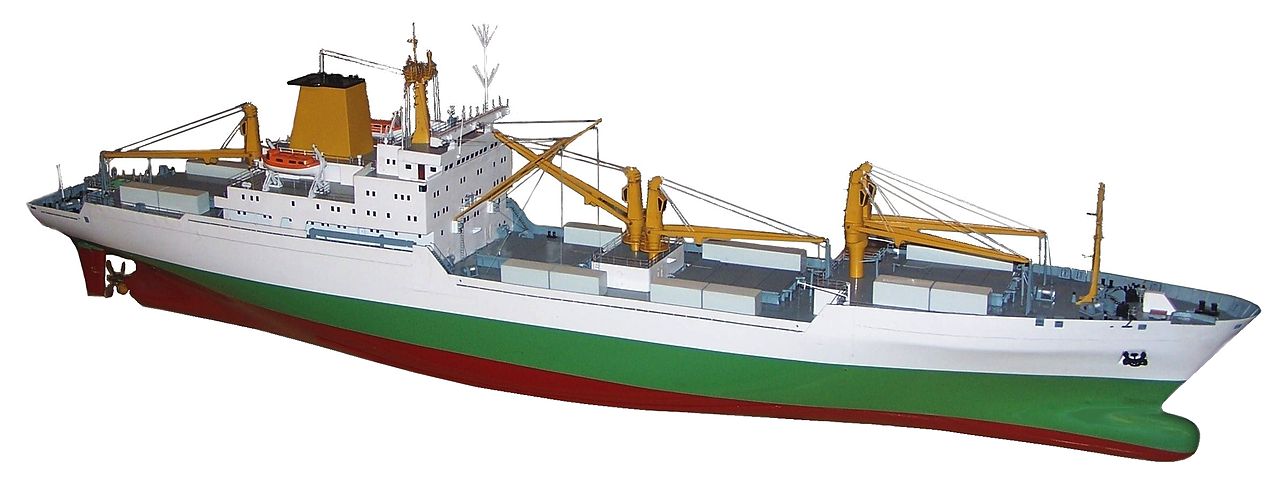
Freighter design emphasizes safe, efficient handling of cargo, fuel economy, and crew accommodation. Key elements include hull form, cargo holds or tanks, deck equipment (such as derricks or shore-independent cranes), and cargo securing systems. Many modern freighters also incorporate specialized systems for refrigeration, tank heating, or roll-on/roll-off ramps. Cargo-handling gear and internal layout are matched to the intended cargo: containers, bulk grain, oil, liquefied gas, vehicles, or general cargo.
Common types
- Container ships — carry standardized shipping containers stacked on deck and in holds.
- Bulk carriers — transport unpackaged bulk cargo like coal, ore, and grain.
- Tankers — designed for liquid cargo such as crude oil, refined products, or chemicals.
- Roll-on/roll-off (Ro-Ro) — built for wheeled cargo including cars and trucks.
- General cargo and multipurpose — versatile ships for mixed or project cargoes.
History and development
The evolution of freighters mirrors changes in trade, technology, and logistics. From wooden sailing merchantmen to steam-powered tramp ships and the standardized container vessels of the mid-20th century, each advance increased carrying capacity, turnaround speed, and predictability. Containerization in particular reshaped global supply chains by simplifying handling and reducing costs.
Uses, importance, and operations
Freighters are essential for moving raw materials to factories, finished goods to markets, and foodstuffs between regions. Shipping schedules, port facilities, and intermodal connections on land determine how cargo flows. Operators include liner companies running regular services and tramp operators taking individual charters. For additional technical classification and regulatory frameworks, consult resources such as ship type guides and maritime safety rules at regulatory repositories.
Notable distinctions and facts
Important distinctions involve ownership (owner-operated vs. chartered), flag state and crewing, environmental controls (ballast water, emissions) and cargo-specific safety measures. Ports and terminals are specialized to serve particular ship types; for example, container terminals differ markedly from oil terminals. For practical examples of modern fleets and commercial practices see industry overviews and vessel databases at maritime data services.
Freighters remain a flexible technology: designs continue to adapt to fuel alternatives, automation, and changing patterns of global trade, but their core role — moving goods reliably and at scale — endures.
Related articles
Author
AlegsaOnline.com Freighter (Cargo Ship): Types, Design, History, and Uses Leandro Alegsa
URL: https://en.alegsaonline.com/art/36553