
Merchant vessel: definition, types, history and role in maritime trade
A merchant vessel is a ship that carries cargo or fare-paying passengers. This article outlines definition, types, parts, history, regulation, and the economic and environmental roles of merchant shipping.
A merchant vessel, also called a trading vessel, is any ship used to transport cargo or carry fare-paying passengers. Merchant ships operate commercially and are distinct from private pleasure craft and from naval vessels: for example, commissioned warships are excluded from the merchant category. The term covers a wide range of sizes and functions, from small coastal freighters to the largest oceangoing carriers.
Image gallery
10 Images




Key characteristics and components
Merchant vessels are designed for carrying goods or people efficiently and safely. Typical components and features include:
- Hull and deck layout adapted to cargo type (bulk, containers, liquid tanks).
- Cargo handling gear such as derricks, cranes, or roll-on/roll-off ramps.
- Propulsion and power systems: diesel engines, turbines, or hybrid installations.
- Accommodation for crew and, when applicable, passengers and safety equipment.
- Navigation, communications and pollution-control systems required by international rules.
Common types
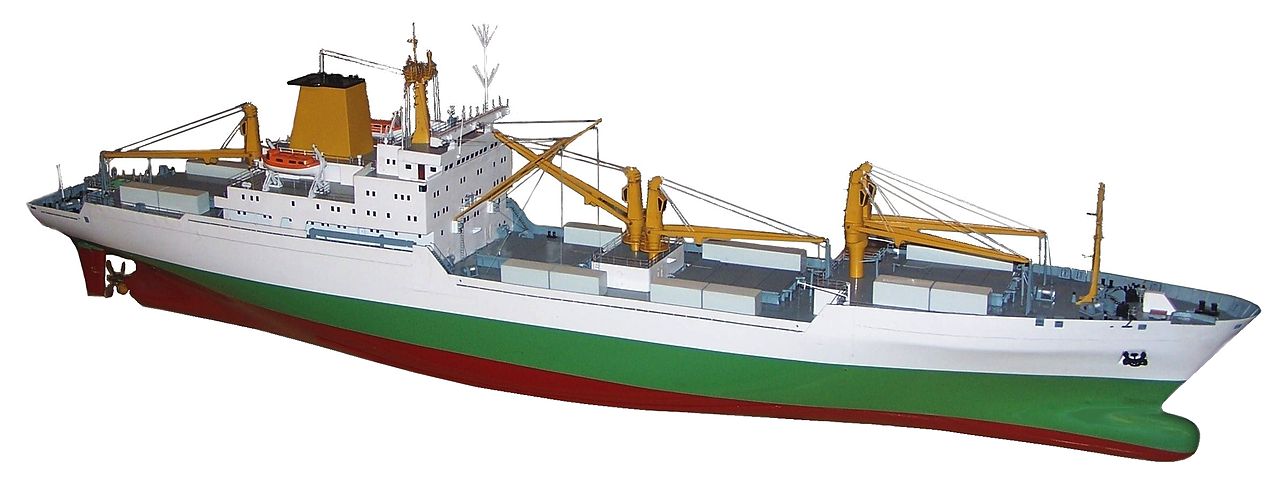
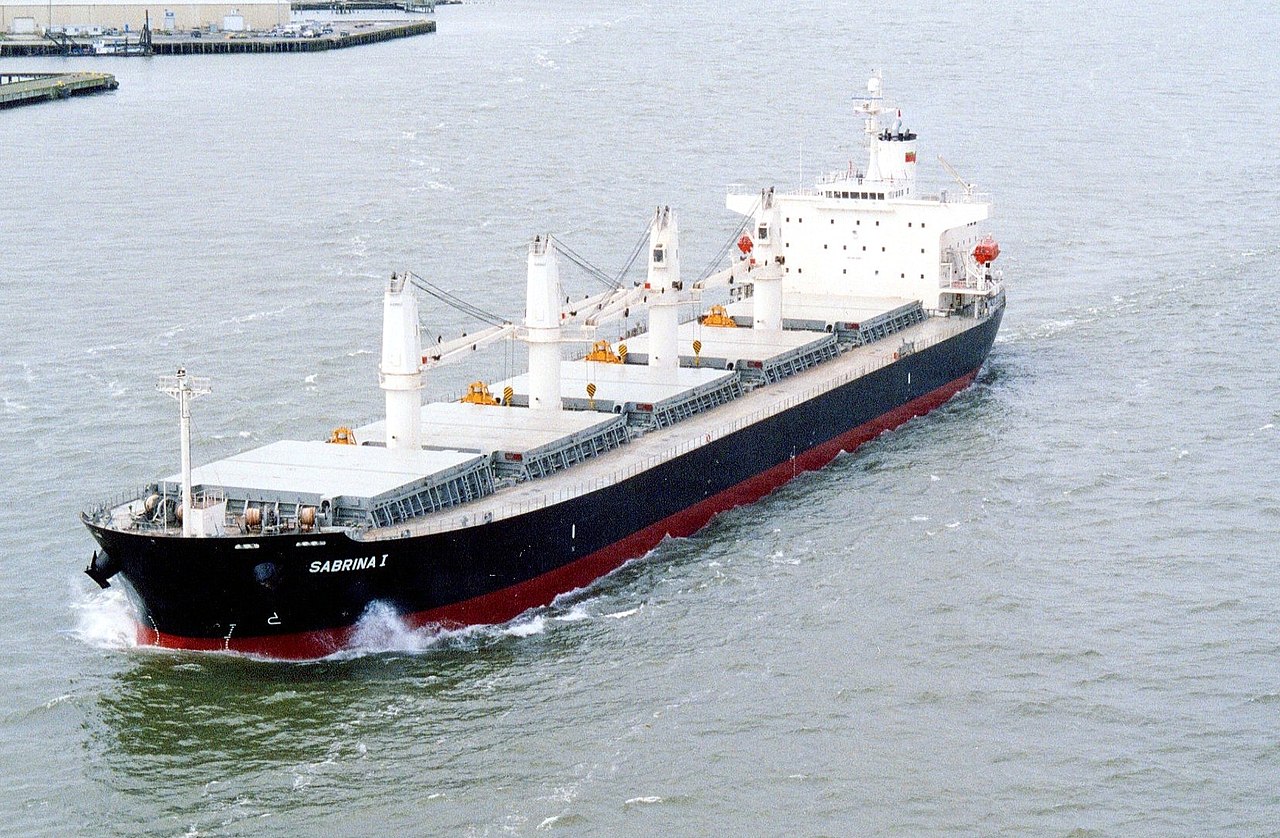
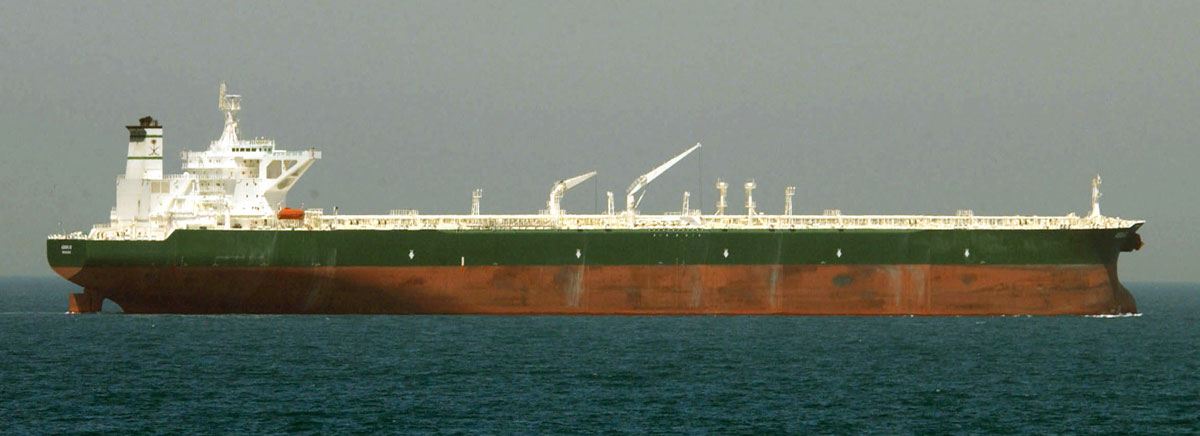
Major merchant categories include container ships, bulk carriers, oil and chemical tankers, general cargo ships, roll-on/roll-off ferries, refrigerated vessels, and passenger ferries and cruise ships. Specialized vessels—such as liquefied natural gas carriers and offshore supply ships—serve niche markets. The development of containerization in the mid-20th century dramatically altered ship design and global logistics.
Historically, merchant shipping enabled long-distance trade from antiquity through the Age of Sail, then shifted with steam power and the industrial revolution to modern, engine-driven fleets. Strategic infrastructures like canals and deepwater ports shaped route choices and ship sizes, while 20th-century innovations standardized cargo handling.
Regulation, employment and legal status
Merchant vessels sail under a flag state and are subject to international conventions (for safety, pollution and seafarer welfare) overseen by bodies such as the International Maritime Organization. Classification societies set technical standards, and maritime law governs liability, insurance and salvage. Many countries call their commercial fleets the "merchant navy" or "merchant marine."
Importance and challenges
Merchant shipping carries the vast majority of world trade by weight and volume, making it essential to the global economy. At the same time the sector faces challenges: environmental impacts (greenhouse gases, oil spills, invasive species via ballast water), security threats like piracy, and economic pressures such as fluctuating freight markets and flag-of-convenience practices. Ongoing trends include efforts to reduce emissions, automate operations, and improve resilience in global supply chains.
For further technical and regulatory details see dedicated maritime resources: vessel types, cargo handling, trade and logistics, passenger shipping, and distinctions from naval vessels.
Questions and answers
Q: What is a merchant vessel?
A: A merchant vessel is a boat or ship that is used for transporting cargo or carrying passengers for a fee.
Q: What is the main purpose of a merchant vessel?
A: The main purpose of a merchant vessel is to transport goods and people for commercial purposes.
Q: Are pleasure craft considered to be merchant ships?
A: No, pleasure craft that do not carry passengers for hire are not considered to be merchant ships.
Q: Are warships considered to be merchant ships?
A: No, warships are not considered to be merchant ships.
Q: Does a merchant vessel transport people for free?
A: No, a merchant vessel carries passengers for a fee.
Q: Is a merchant vessel different from a fishing vessel?
A: Yes, a merchant vessel is used for transporting cargo or carrying passengers for a fee, while a fishing vessel is used for catching fish.
Q: Can a merchant vessel transport any kind of cargo?
A: A merchant vessel can transport most kinds of cargo, as long as the cargo is legal and does not violate any laws or regulations.
Related articles
Author
AlegsaOnline.com Merchant vessel: definition, types, history and role in maritime trade Leandro Alegsa
URL: https://en.alegsaonline.com/art/63904
Sources
- access-board.gov : "Summary of the Report from the Passenger Vessel Access Advisory Committee"
- maritime-connector.com : "Merchant Vessels"
- imo.org : "International Shipping Facts and Figures"
- economist.com : "Merchant fleets"
- wn.com : "Merchant vessel splits in two off Yemeni coast"