
Peace: concepts, history, and how societies pursue harmony
An expanded overview of peace: definitions, types, historical institutions, methods for maintaining peace, notable examples, and why justice matters.
Overview
Peace commonly denotes the absence of armed conflict or violent dispute and a condition of social order in which people can live without the threat of attack. In everyday language it can also mean a state of calm and quiet, like a still pond undisturbed by ripples; both senses emphasize the removal of disruptive forces and the presence of stability. For discussions about ending violence or promoting social calm, terms such as absence of armed conflict and nonviolence are frequently used as starting points.
Image gallery
10 Images


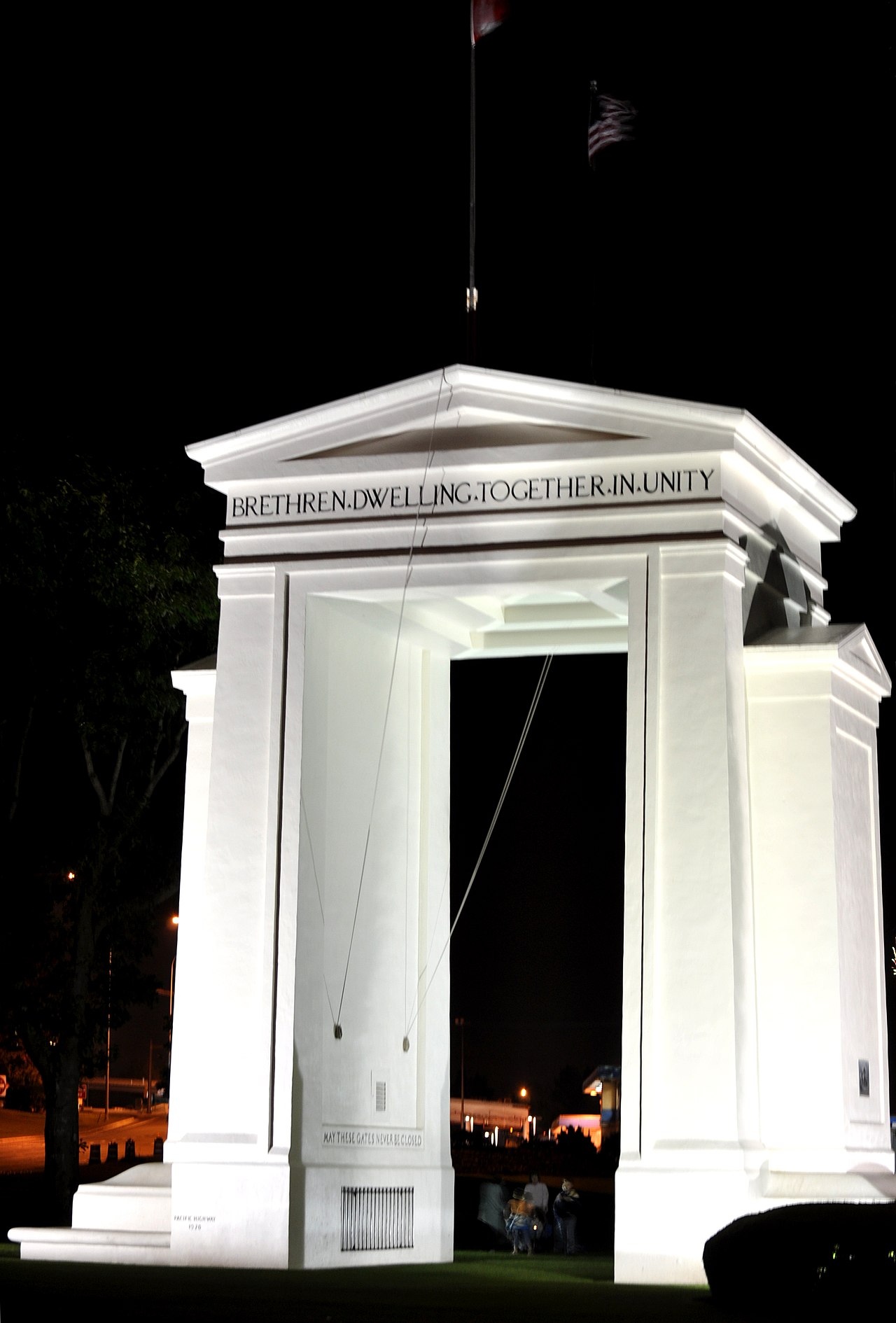


Characteristics and types of peace
Scholars and practitioners distinguish at least two broad kinds of peace. "Negative peace" refers to the mere cessation or absence of direct violence, while "positive peace" describes conditions that sustain peaceful relations, including equitable institutions, respect for rights, and economic opportunity. Peace can be interpersonal, communal, or international, and it is shaped by legal frameworks, cultural practices, and social norms. The metaphor of a quiet, undisturbed surface—often compared to a still pond—captures the immediate impression of calm but does not by itself convey longer-term fairness or resilience.
History and international institutions
Efforts to prevent and manage conflict have taken many forms across history: treaties, alliances, codes of conduct, and standing institutions. After the mass destruction of World War I (WWI), the League of Nations (League of Nations) was created to provide a forum for diplomacy and collective action. Its inability to prevent further aggression before World War II (WWII) led to the establishment of the United Nations (United Nations), which seeks collective security and peaceful dispute resolution. The UN and other bodies, together with many civil society groups and specialist organizations (peacebuilding organizations), combine diplomacy, law, and on-the-ground programs to reduce violence and support recovery.
How peace is pursued
Maintaining or building peace involves multiple tools used by states, international organizations, and communities. Common approaches include:
- Diplomacy and negotiation to settle disputes without force.
- Arms control and disarmament agreements to limit weapons and reduce the chance of escalation.
- Peacekeeping and peace enforcement missions, sometimes authorized by international bodies to protect civilians or enforce ceasefires.
- Legal mechanisms, such as international courts and treaties, to hold actors accountable.
- Social measures—education, reconciliation processes, economic development, and institution building—that contribute to long-term stability.
International responses to aggression illustrate these mechanisms: for example, collective measures authorized by multilateral institutions supported South Korea (Korea) during the Korean War and were used to liberate Kuwait (Kuwait) after invasion. These cases show how diplomacy, alliances, and force can interact under international law and political mandates.
Importance, justice, and notable recognitions
Peace is widely valued not only as the absence of fighting but as a foundation for human flourishing. Civil rights leaders and philosophers have argued that peace without justice is fragile. As Martin Luther King Jr. observed, "True peace is not merely the absence of tension: it is the presence of justice"—a reminder that fairness, opportunity, and rule of law are integral to lasting peace (MLK on justice). Cultural symbols and public honors also reflect society's priorities: the Nobel Peace Prize (Nobel Peace Prize) recognizes individuals and organizations that have made significant contributions to reducing conflict and promoting reconciliation.
Distinctions and contemporary focus
Modern peace work often emphasizes prevention and resilience—addressing root causes such as inequality, exclusion, and competition for resources—as well as post-conflict reconstruction. Distinguishing immediate ceasefires from broader processes that create durable stability is central to policy and scholarship. Whether at the level of families and neighborhoods or between nations, peace remains a multifaceted goal pursued through law, dialogue, and sustained collective effort.
For further reading and resources, consult international organizations and research centers that track conflict and peacebuilding initiatives, and explore educational programs that discuss both the history and practice of peaceful conflict resolution (organizations and research).
Questions and answers
Q: What is peace?
A: Peace is a time without any fights or wars. In a larger sense, it can mean a state of harmony, quiet or calm that is not disturbed by anything at all.
Q: Who wants peace?
A: Many people and organizations want peace.
Q: What organization was set up to bring peace among the nations after World War I?
A: The League of Nations was set up to bring peace among the nations after World War I.
Q: What did Martin Luther King Jr say about true peace?
A: Martin Luther King Jr wrote in a letter he sent from the Birmingham jail that, "True peace is not merely the absence of tension: it is the presence of justice." In other words, Real peace is more than just problems being gone; there must be fairness to have peace.
Q: Who created an annual award for those who had done most to bring peace to the world?
A: Alfred Nobel created an annual award, the Nobel Peace Prize, for those who had done most to bring peace to the world.
Related articles
Author
AlegsaOnline.com Peace: concepts, history, and how societies pursue harmony Leandro Alegsa
URL: https://en.alegsaonline.com/art/75333