
Metcard — Melbourne magnetic‑stripe public transport ticket
Metcard was a zone‑based magnetic‑stripe ticket used on Melbourne trains, trams and buses; it offered time‑limited fares across two zones and was later replaced by the Myki smartcard system.
Metcard was a magnetic‑stripe ticketing format used for everyday public transport travel in Melbourne, Australia. Designed to be valid across trains, trams and buses, it implemented a simple zone‑based fare structure centred on two fare regions. The ticket itself was a compact, plastic or paper card with a magnetic stripe and printed validity details, roughly the size of a credit card. It provided time‑limited access rather than a stored‑value purse.
Image gallery
6 Images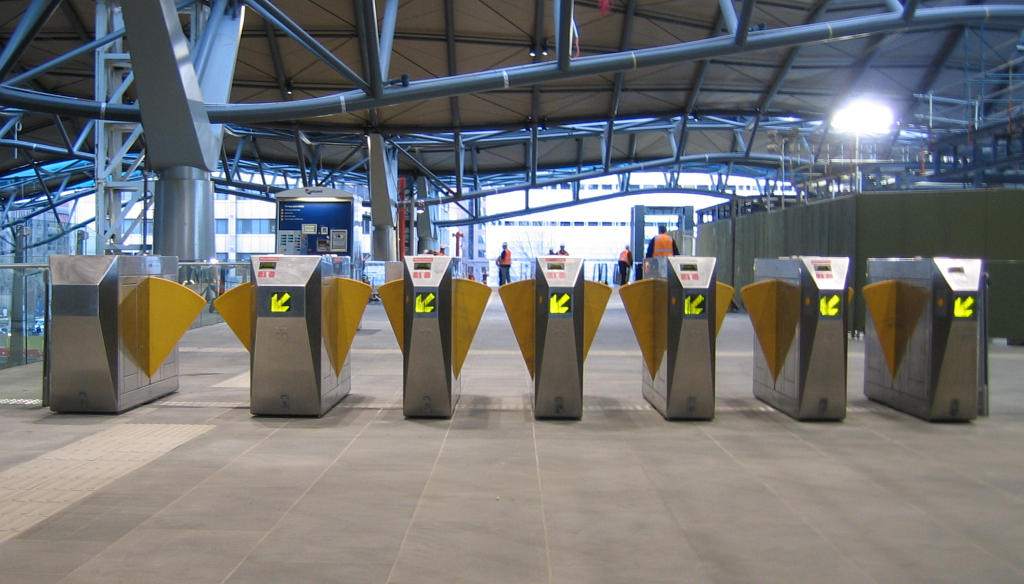


Characteristics
Metcards came in a variety of durations and fare classes, including single‑trip and period passes. Key features included:
- Zone‑based pricing: fares depended on whether travel occurred in Zone 1 (inner areas near the CBD) or Zone 2 (outer suburbs). Zone 1 covered the central business district and close environs, while Zone 2 covered the remainder; a former Zone 3 was later merged into Zone 2.
- Magnetic stripe encoding that allowed automatic reading by ticket machines and handheld inspectors.
- Machine issuance and validation: tickets were printed with or stamped with expiry times and read electronically at inspection.
History and development
The Metcard system replaced older, less integrated fare media to provide a single ticket usable across multiple transport modes. Over time, transport authorities simplified zone boundaries and fare categories to reduce complexity—for example, a previous outer zone was consolidated into Zone 2. Technological and customer‑service considerations, such as the desire for reloadable cards and contactless validation, eventually prompted replacement by a smartcard system in the 2010s.
Operation and examples of use
Commuters obtained Metcards from vending machines, retail outlets or staffed counters. The ticket granted travel for a limited period (for example, a few hours for a single journey or longer for daily/weekly passes) and was checked by inspectors with electronic readers. By covering trains, trams and buses with a single ticketing format, Metcard simplified multi‑modal trips compared with carrying separate mode‑specific tickets.
Legacy and distinctions
While Metcard made fare payment more consistent across Melbourne, it was a magnetic‑stripe, time‑limited ticket rather than a contactless stored‑value card. Its main legacy is the move toward integrated, reloadable smartcards that streamline boarding and reduce maintenance on aging readers. Collectors and transit enthusiasts sometimes preserve Metcards as historical artifacts documenting an earlier phase of urban fare systems.
For further background on integrated urban ticketing and the transition from magnetic‑stripe media to smartcards, see related transport fare discussions and case studies on modernisation efforts here and technical overviews here.
Questions and answers
Q: What is a Metcard?
A: A Metcard is a type of ticket used for public transport in Melbourne, Australia.
Q: What modes of transportation can a Metcard be used on?
A: A Metcard can be used on Trains, Trams, and Buses.
Q: How many zones does a Metcard cover?
A: A Metcard covers two zones: Zone 1 and Zone 2.
Q: Which areas are covered by Zone 1?
A: Zone 1 covers areas close to the CBD (Central Business District).
Q: Which areas are covered by Zone 2?
A: Zone 2 covers the rest of the city in Melbourne.
Q: Was there a Zone 3 in the past?
A: Yes, there used to be a Zone 3 in Melbourne, but it has been merged with Zone 2.
Q: What information does a magnetic strip on a Metcard contain?
A: The magnetic strip on a Metcard contains information about the type of ticket it is, which is read by a computer when the card is used for transportation.
Related articles
Author
AlegsaOnline.com Metcard — Melbourne magnetic‑stripe public transport ticket Leandro Alegsa
URL: https://en.alegsaonline.com/art/64184
Sources
- metlinkmelbourne.com.au : metlinkmelbourne.com.au
- theage.com.au : "No more Zone 3 lifts load on commuters"
- robx1.net : "Metcard - The End of Met Ticket"
- robx1.net : "Metcard - A brief history"
- robx1.net : "Metcard - Public Field Trials"
- erggroup.com : "ERG Limited: Case Studies - Melbourne"
- legislation.vic.gov.au : "Media Release: SETTLEMENT OF ONELINK DISPUTE PAVES THE WAY FOR PUBLIC TRANSPORT TICKETING REFORM"
- doi.vic.gov.au : "2002 Independent Audit of the Automatic Ticketing System"
- doi.vic.gov.au : "2001 Independent Audit of the Automatic Ticketing System"
- dpc.vic.gov.au : "Media Release: BETTER VALUE FOR V/LINE TICKETS FROM THIS SATURDAY"
- dpc.vic.gov.au : "Media Release: NIGHTRIDER NOW INCLUDED IN METCARD FARE"
- dpc.vic.gov.au : "Media Release: REMOVAL OF ZONE 3 MEANS SAVINGS FOR PASSENGERS"
- robx1.net : "Metcard - Abolition of Zone 3"
- doi.vic.gov.au : "Transport Ticketing Authority Corporate Plan 06-07"