
MiG Alley — Korean War jet air combat zone
MiG Alley was the northwest Korean combat zone where MiG-15s and F-86 Sabres clashed during the Korean War, notable for Soviet pilot involvement and the birth of modern jet dogfighting.
Overview
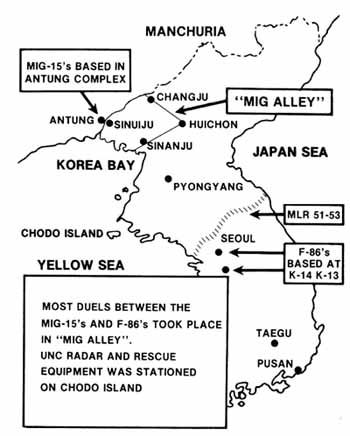
MiG Alley was the nickname given by United Nations pilots to a stretch of airspace over northwest North Korea along the border with China during the Korean War. It became the focal point for many of the conflict's most intense jet-versus-jet engagements in the early 1950s, when swept-wing fighters began to replace piston-engine aircraft in frontline service.
Image gallery
9 Images



Combatants and aircraft
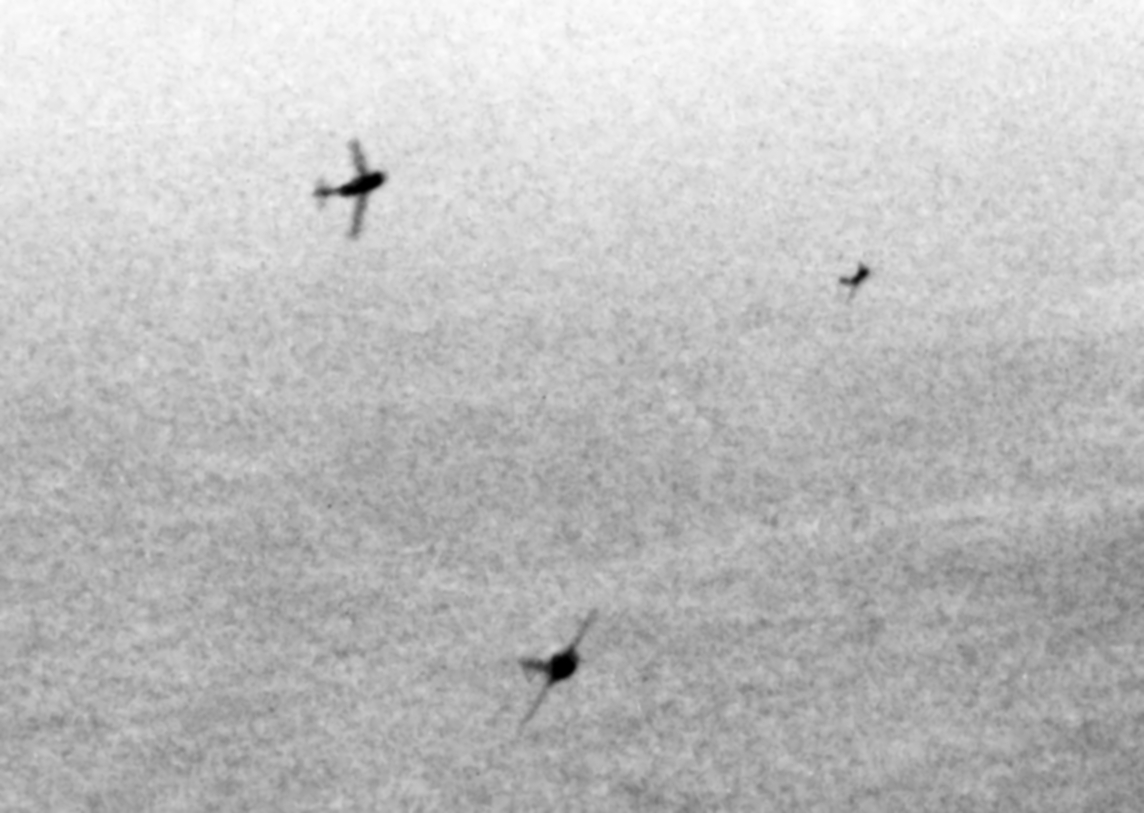
Opposing forces in MiG Alley were dominated by the Soviet-designed Mikoyan-Gurevich MiG-15 (NATO reporting name "Fagot") and the American North American F-86 Sabre. Each type had strengths: the MiG-15 excelled in climb rate and ceiling, while the F-86 offered superior handling, gunsight technology, and pilot visibility at certain speeds. Encounters were typically fast, close-range dogfights that tested new jet tactics.
- MiG-15: early swept-wing jet fighter with strong climb and high-altitude performance.
- F-86 Sabre: transonic jet with advanced control surfaces and radar-ranging gunsights for its time.
Soviet and allied participation
Although MiG Alley is often associated with North Korean or Chinese units, many of the most skilled pilots who flew MiG-15s were Soviet. Experienced aviators who had flown in World War II were deployed to achieve air superiority while their governments maintained plausible deniability. These aviators are frequently described in memoirs and histories; some informal nicknames, including a term borrowed from Japanese meaning "big shot," reflect how Western pilots perceived high-ranking or unusually skilled adversaries. References to Russian or Soviet personnel emphasize the multinational and political complexity of the air war.
Tactics, outcomes, and debate
Engagements in MiG Alley led to rapid tactical innovation: new formation flying, boom-and-zoom attacks, and the use of radar-ranging sights. Both sides claimed victory in different ways; aerial victory counts and ace tallies became points of contention. Some of the highest individual scores reported in the area were attributed to pilots flying for the Soviet side, but historians caution that kill claims from the era are disputed and were influenced by propaganda, recording standards, and the fog of war.
Legacy
MiG Alley is remembered as the crucible of early jet-air combat and as a formative episode in Cold War military history. It accelerated development in pilot training, aircraft design, and aerial tactics, and its controversies about attribution and secrecy illustrate the political sensitivities of proxy warfare. For further reading and primary sources, consult specialized histories and archives that cover the Korean War air campaign and postwar analyses.
Questions and answers
Q: What was MiG Alley during the Korean War?
A: MiG Alley was a place during the Korean War that had a lot of North Korean MiG-15 Fagots in the area.
Q: Where was MiG Alley located?
A: MiG Alley was over northwest North Korea, near China.
Q: What aircraft mainly fought against the MiGs in MiG Alley?
A: F-86 Sabres mainly fought the MiGs in MiG Alley.
Q: Who were some of the pilots that fought in MiG Alley?
A: Some pilots in MiG Alley were Russian fighter pilots from World War II and were very well trained.
Q: What were the Russian fighter pilots called in MiG Alley?
A: The Russian fighter pilots were called "honchos" which means "big shot" in Japanese.
Q: Who scored the top kills in MiG Alley?
A: According to the text, the top kills were scored by Soviet aces.
Q: Who was considered the winner in MiG Alley?
A: The text states that it was said that the Soviets won in MiG Alley.
Related articles
Author
AlegsaOnline.com MiG Alley — Korean War jet air combat zone Leandro Alegsa
URL: https://en.alegsaonline.com/art/64779