
Mekong River — Southeast Asia’s major waterway
Major transboundary river rising on the Tibetan plateau and flowing through six countries to the South China Sea; notable for its biodiversity, fisheries, seasonal floods and regional importance.
Overview
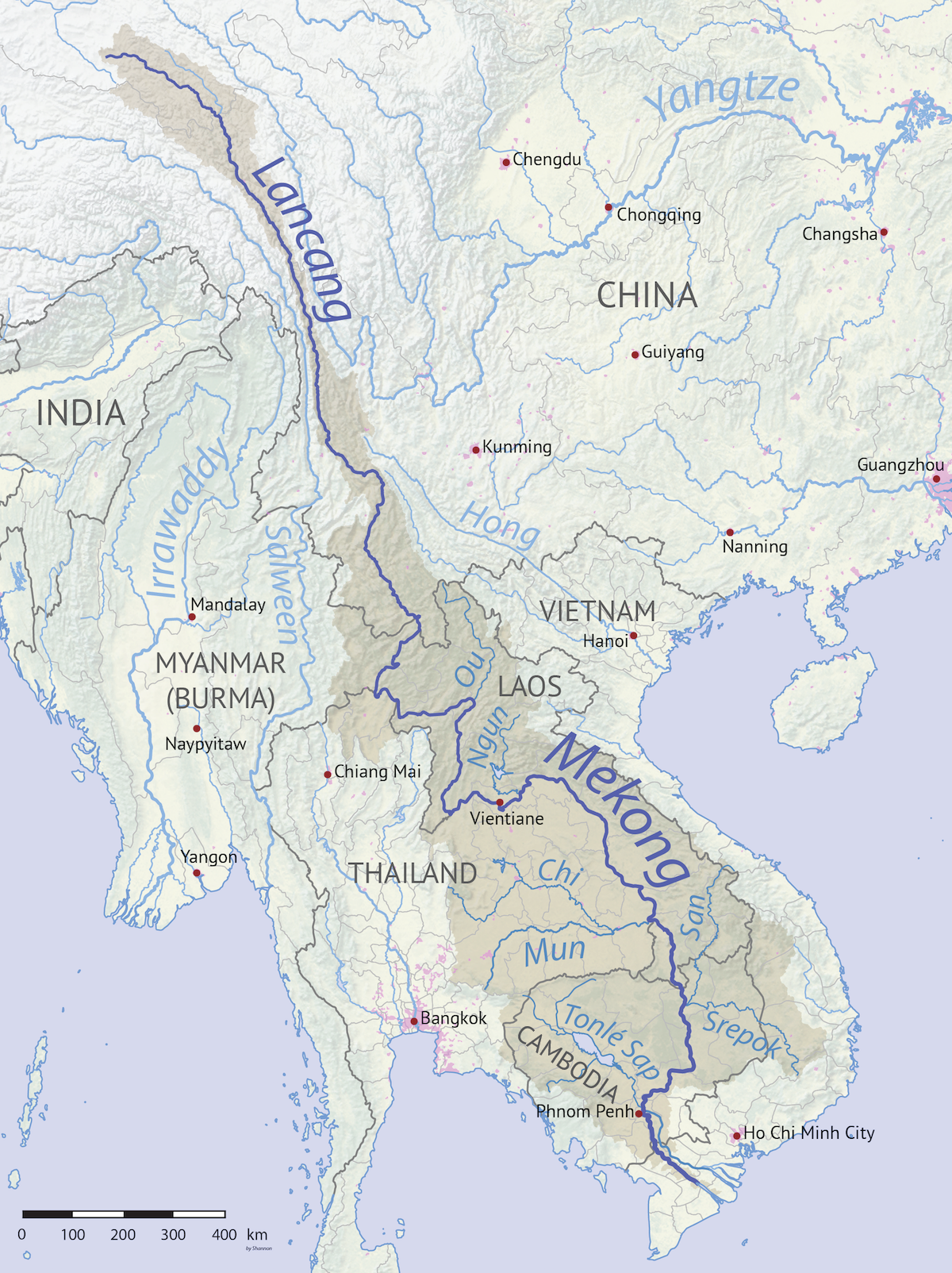
The Mekong is one of the great rivers of Southeast Asia, forming a continuous freshwater corridor that supports millions of people, large wetlands and productive agricultural lands. Its headwaters rise near the Lasagongma Spring on the high plateaus of Tibet, and the river follows a long route through uplands and lowlands before reaching the sea. Locally it carries different names and meanings; in several regional languages the river is personified as Mae Nam, often translated as "Mother of Water."
Image gallery
10 Images





Course and geography
The Mekong flows through or borders six countries. Along its course it passes through or alongside:
From its Tibetan source the river runs about 4,350 km to the South China Sea. The upper stretch in China is commonly known as the Lancang; downstream the river traverses a mix of narrow gorges, broad floodplains and an extensive delta system in Vietnam that is a major rice-producing region.
Hydrology and floodplain dynamics
The Mekong is characterised by strong seasonal variations in flow. Monsoon rains swell the river during the wet season, inundating floodplains and replenishing soils, while lower dry-season flows concentrate fisheries and navigation channels. In Cambodia a unique seasonal reversal of a major tributary into the Tonle Sap lake is driven by these flood pulses, storing water and nutrients that sustain inland fisheries and wetlands.
Biodiversity and fisheries
The Mekong basin ranks among the world's most biologically rich freshwater systems. It supports high levels of biodiversity, including hundreds of species of fish, numerous waterbirds, and large freshwater mammals such as several species of river dolphins. Other notable aquatic mammals and predators found in parts of the basin include crocodiles and river otters. Many fish species undertake long seasonal migrations that underpin local fisheries and food security.
Human uses and economy
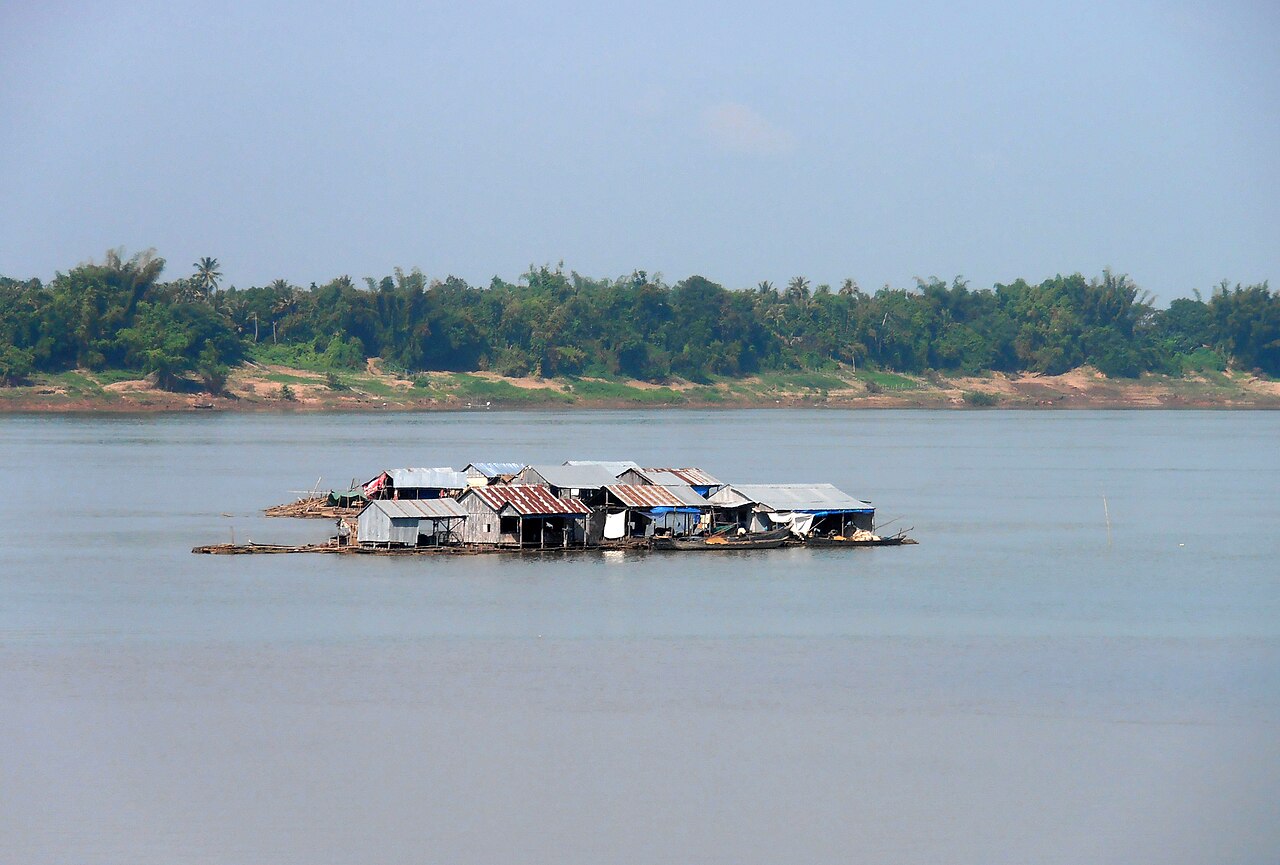
People along the Mekong depend on it for a range of uses. Small-scale and commercial fishing provides dietary protein and employment for millions. The river and its tributaries are important for navigation, local trade and transport, while floodplain agriculture, irrigation and aquaculture make extensive use of river water and seasonal sediments. Hydropower development and improved navigation infrastructure have expanded in recent decades to support energy and economic growth.
Governance, cooperation and history
Because the Mekong basin crosses multiple national borders, regional cooperation is necessary to plan water use, manage fisheries and reduce harm from development. The Mekong River Commission and other multilateral arrangements provide forums for data sharing and planning among riparian states, while relations among upstream and downstream countries involve negotiation over dams, water allocation and environmental safeguards.
Challenges and conservation
The river faces several interlinked pressures: dam construction and altered flow regimes change sediment transport and migration routes; overfishing and habitat loss put species at risk; and climate variability affects rainfall patterns and glacier-fed inputs. These changes can reduce fish catches, alter floodplain fertility and affect livelihoods. Conservation efforts focus on protecting critical habitats, improving fisheries management and coordinating transboundary water planning to reduce unintended impacts.
Notable facts
- The river’s name and cultural role vary across communities; it is widely regarded as central to regional identity.
- The Mekong supports one of the richest freshwater faunas on Earth and sustains major inland fisheries.
- Seasonal flood pulses, including the Tonle Sap reversal, are fundamental to the basin’s ecology and productivity.
For readers seeking more detailed, technical or region-specific information, consult scientific assessments, national agencies and regional organisations that focus on hydrology, biodiversity and sustainable development in the Mekong basin.
Related articles
Author
AlegsaOnline.com Mekong River — Southeast Asia’s major waterway Leandro Alegsa
URL: https://en.alegsaonline.com/art/63604
Sources
- shangri-la-river-expeditions.com : "Source of the Mekong River (Langcang Jiang)"
- mrcmekong.org : "BIodiversity and Fisheries in the Lower Mekong Basin"
- planetexperts.com : Murder on the Mekong: Death by a Thousand Dams