
South China Sea
A marginal sea of the western Pacific Ocean, the South China Sea is a strategically and economically important maritime region with complex geography, rich resources, and multiple overlapping territorial claims.
Overview
The South China Sea is a marginal sea of the western Pacific Ocean that lies south of mainland China and north of the Greater Sunda Islands. It comprises open water, numerous islands, atolls, reefs and submerged banks. The sea has long been important for fishing, commerce and navigation and remains a focal point of regional diplomacy, security planning and environmental concern. For regional context and maps see regional overview and broader oceanic context at Pacific resources.
Image gallery
10 Images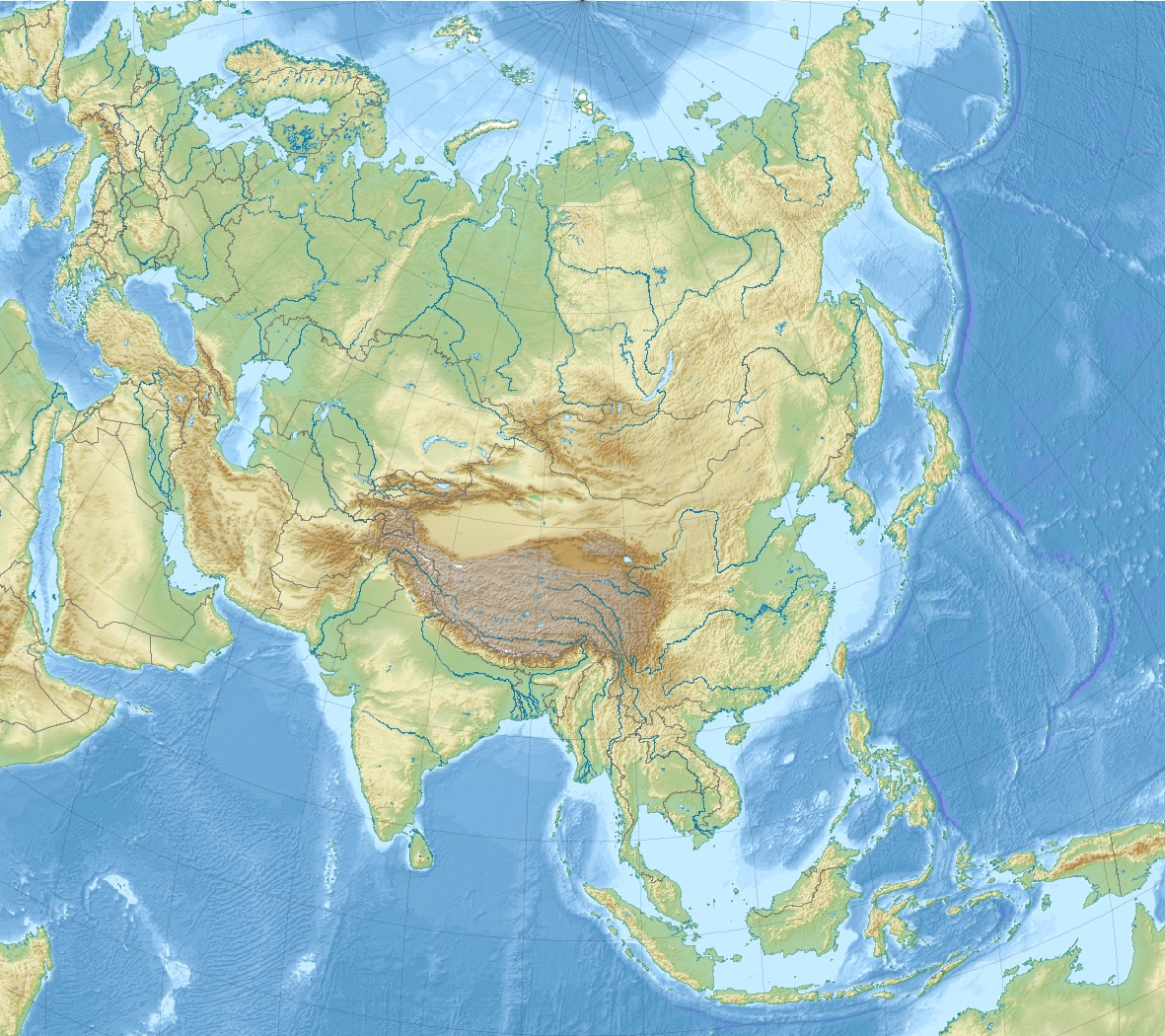





Geography and natural resources
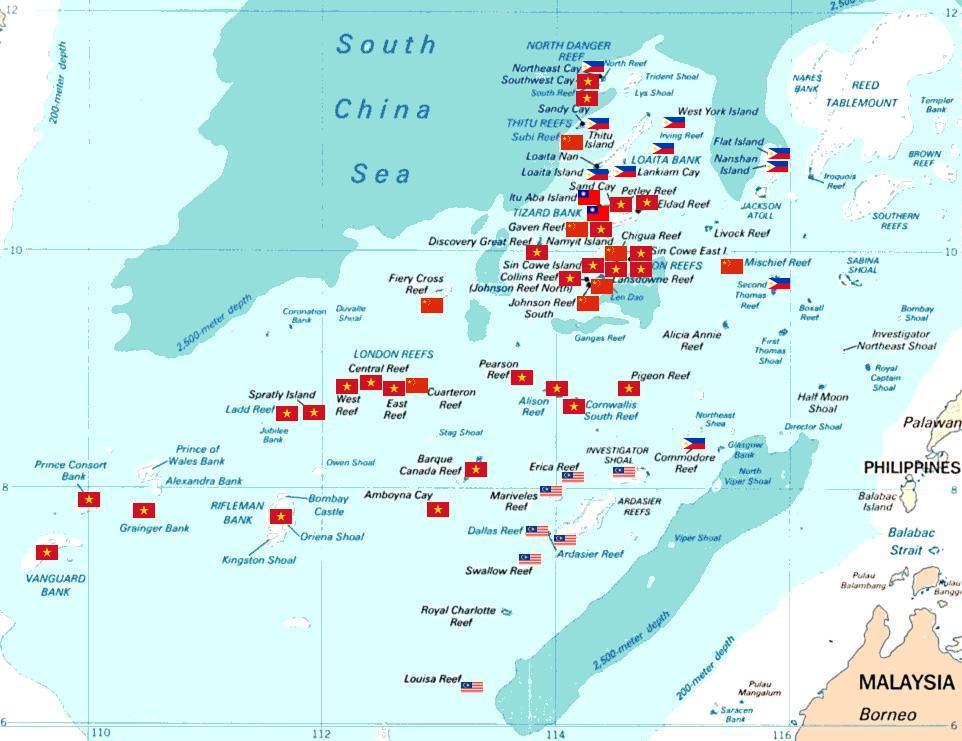
The South China Sea contains several island groups, most notably the Paracel and Spratly archipelagos, as well as features scattered on continental shelves and oceanic banks. The waters support extensive fisheries and diverse marine ecosystems including coral reefs and mangroves. Seabed studies indicate potential hydrocarbon and mineral deposits, which have driven exploration and resource competition. Further reference material on islands and reefs can be found at feature lists and regional studies at marine studies.
Claims, law and governance
Multiple states assert sovereignty over parts of the sea and its features. Principal claimants include China, Vietnam, the Philippines, Malaysia and Brunei. These claims are rooted in differing historical narratives, proximity and interpretations of maritime law. The United Nations Convention on the Law of the Sea (UNCLOS) provides a commonly cited legal framework for maritime entitlements and dispute settlement, though implementation and acceptance vary among parties.
Strategic and economic importance
The sea lies along major international shipping routes and is a conduit for a large share of East–West maritime trade and energy shipments. Because of its economic centrality and location, freedom of navigation, safety of sea lines of communication and regional stability are priorities for littoral states and external powers. Military patrols, coast guard operations and surveillance are frequent in the area.
Environmental and social issues
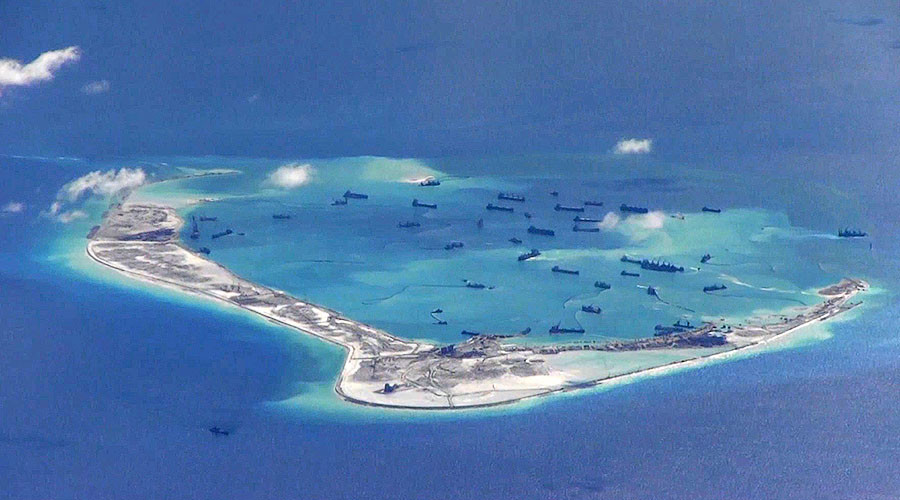
Pressure from overfishing, coral damage, land reclamation and coastal development threatens marine biodiversity and the livelihoods of fishing communities. Pollution and sedimentation challenge reef health. Regional conservation efforts, fisheries management measures and scientific cooperation seek to balance resource use with ecosystem protection.
Dispute resolution and recent developments
Bilateral talks, multilateral dialogues and, in some cases, international arbitration have been used to address disagreements. Incidents at sea, construction on disputed features and diplomatic exchanges have periodically heightened tensions. For official statements and updates consult national sources and summaries such as official overviews, statements by China or government releases from the Philippines. Academic and policy research can be found through regional institutes at policy studies and detailed feature references at islands and reefs information. Historical context and longer-term environmental assessments are available from sources such as Vietnamese and Malaysian studies and collections of government statements at Brunei.
Related articles
Author
AlegsaOnline.com South China Sea Leandro Alegsa
URL: https://en.alegsaonline.com/art/92139
Sources
- crisisgroup.org : "Stirring up the South China Sea (II): Regional Responses,"
- chinhphu.vn : "VN and China pledge to maintain peace and stability in East Sea"
- vietnamembassy-usa.org : "FM Spokesperson on FIR control over East Sea" · web.archive.org
- gis.chinhphu.vn : gis.chinhphu.vn/ShowmapGov.asp?pLayer=vn_hcc
- books.google.com : Seas and Waterways of the World: An Encyclopedia of History, Uses, and Issues
- books.google.com : 259
- the-diplomat.com : the-diplomat.com/new-leaders-forum/2011/12/15/the-west-philippine-sea/
- news.asiaone.com : "South China Sea renamed in the Philippines"