
Laos (Lao People's Democratic Republic): overview, geography, history and culture
An accessible encyclopedic overview of Laos covering its geography, population, language, history, economy and cultural highlights.
Overview
The Lao People's Democratic Republic, commonly known as Laos, is a landlocked nation in Southeast Asia. Its administrative capital is Vientiane. Laos is noted for its mountainous interior, the Mekong River valley, and a history that blends indigenous Tai cultures with influences from neighboring countries and periods of colonial rule.
Image gallery
10 Images


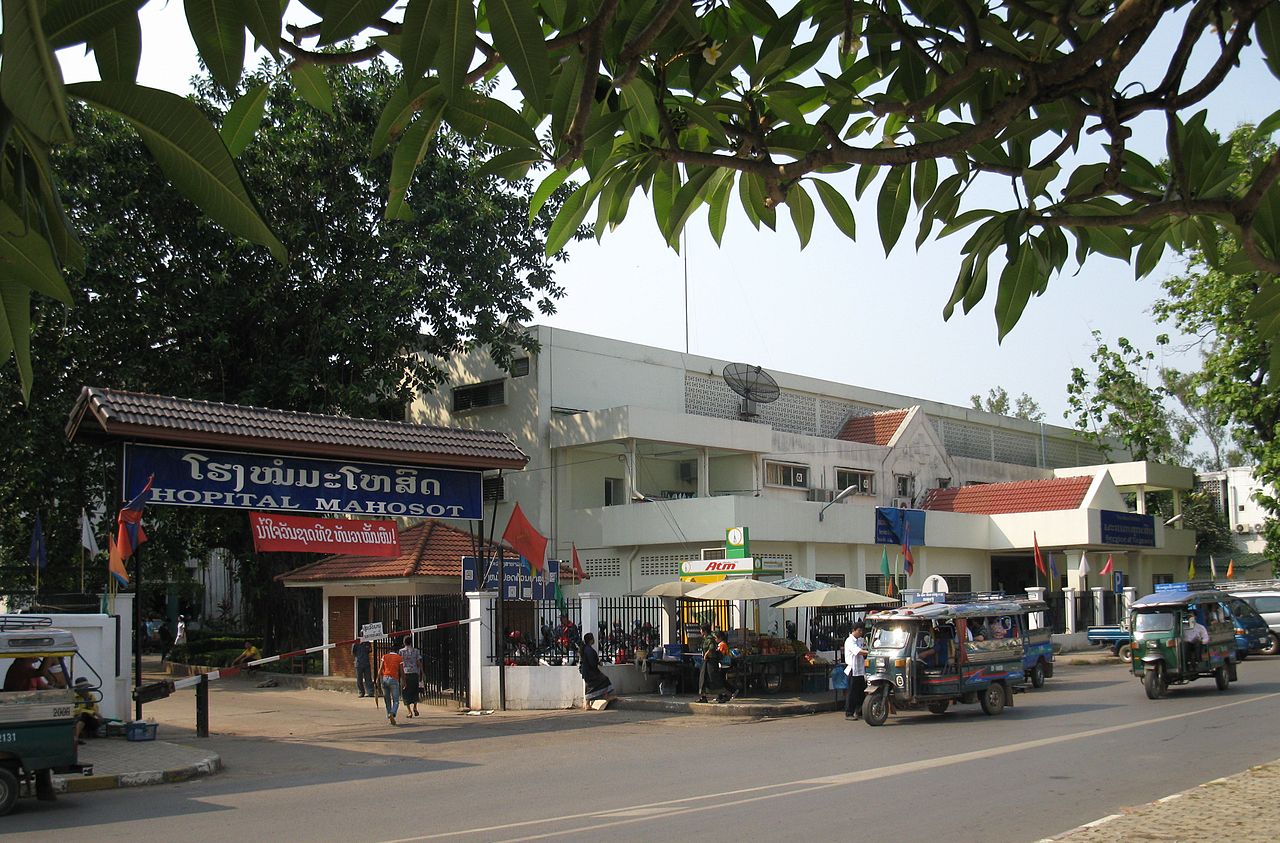


Geography and environment
Laos has no maritime frontage and therefore no coast on any sea or ocean. It is bordered by several countries: to the northwest by Myanmar, to the north and northeast by China, to the east by Vietnam, to the south by Cambodia, and to the west by Thailand. The Mekong River runs along much of the western border and is central to transport, irrigation and local livelihoods, though natural rapids and falls limit continuous navigation to the sea.
People, language and religion
The official language is the Lao language, often referred to simply as Lao, which belongs to the broader family of Tai languages. The population is ethnically diverse, with groups commonly categorized by elevation and cultural region (for example Lao Loum, Lao Theung and Lao Sung). A majority of people follow forms of Theravada Buddhism, which plays a prominent role in social and cultural life. Rice remains the staple food and a backbone of rural subsistence agriculture across the country; rice cultivation is fundamental to local diets and economies (rice).
History and political development
Laos emerged from a sequence of historical polities, most notably the kingdom of Lan Xang (14th–18th centuries), and experienced periods of regional influence and fragmentation thereafter. In the late 19th and early 20th centuries it became part of French Indochina. After World War II and a struggle for independence, Laos gained full sovereignty in the mid-20th century and later underwent major political change when the Lao People's Democratic Republic was established. The 20th century also brought conflict associated with neighboring wars, foreign intervention, and efforts at postwar reconstruction.
Economy, infrastructure and environment
The Lao economy has long been dominated by agriculture, subsistence farming and smallholder rice production. In recent decades the country has pursued development through hydropower projects, mining, forestry and expanding services such as tourism. Hydroelectric dams on the Mekong and its tributaries are significant for domestic energy and export potential, but they have also raised concerns about ecological effects and impacts on fisheries and river communities. Transport infrastructure remains limited in many upland areas, and economic development varies widely between urban centers and rural provinces.
Culture, heritage and notable facts
Laos retains vibrant traditions in music, textiles, Buddhist ritual, and communal festivals such as baci ceremonies and Lao New Year. The northern city of Luang Prabang, a former royal capital, is recognized for its well-preserved architecture and temples and is a UNESCO World Heritage site. The country is sometimes described as having a quieter pace of life relative to its larger neighbors and attracts visitors for its natural landscapes, riverine culture and historical sites.
Quick facts and further reading
- Official name: Lao People's Democratic Republic.
- Region: Southeast Asia; capital: Vientiane.
- Neighbors: Myanmar, China, Vietnam, Cambodia, Thailand.
- Language family: Tai languages (official language: Lao, see language reference).
- Religion: majority practice Theravada Buddhism.
- Economy: agriculture-centred with growing hydropower and tourism sectors; staple crop: rice.
For more detailed information on governance, demography, and travel, consult authoritative country profiles and academic sources. This article is a concise introduction and highlights the main geographic, cultural and economic features of Laos.
Questions and answers
Q: Where is Laos located?
A: Laos is located in southeast Asia.
Q: What is the capital city of Laos?
A: The capital city of Laos is Vientiane.
Q: Is Laos a country with a coast on a sea or ocean?
A: No, Laos is a landlocked country.
Q: Name the countries that border Laos.
A: Laos is bordered by Myanmar, China, Vietnam, Cambodia, and Thailand.
Q: Can boats from Laos reach the ocean using the Mekong river?
A: No, boats from Laos cannot reach the ocean using the Mekong river due to rapids and waterfalls in the south of the country.
Q: What is the official language of Laos?
A: The official language of Laos is Lao, belonging to the Tai language group.
Q: What is the main crop in Laos?
A: The main crop in Laos is rice.
Related articles
Author
AlegsaOnline.com Laos (Lao People's Democratic Republic): overview, geography, history and culture Leandro Alegsa
URL: https://en.alegsaonline.com/art/55976
Sources
- commons.wikimedia.org : Laos
- state.gov : "Background notes – Laos"
- imf.org : "Laos"
- hdr.undp.org : "Human Development Report 2009. Human development index trends: Table G"
- cia.gov : "The World Factbook: Laos"
- news.bbc.co.uk : "Laos country profile"