
Megalosauridae — a family of Jurassic carnivorous theropods
Megalosauridae is a family of primarily Middle–Late Jurassic carnivorous theropods (basal tetanurans) that includes Megalosaurus, Torvosaurus and Afrovenator and played a key role in early large-theropod evolution.
The Megalosauridae are a group of carnivorous dinosaurs recognized as a monophyletic family of large theropods. Early descriptions emphasized their robust skulls and teeth adapted for slicing and tearing, and their status as a distinct lineage is reflected in modern systematic studies. Paleontologists often link them to broader clades and historical classifications; for example, they are treated as a clade in discussions of a monophyletic family and are identified as carnivorous members of the theropod radiation. Historically they have been placed among the higher-level groups and are associated with the formal rank of order and the superfamily sometimes called Megalosauroidea.
Image gallery
10 Images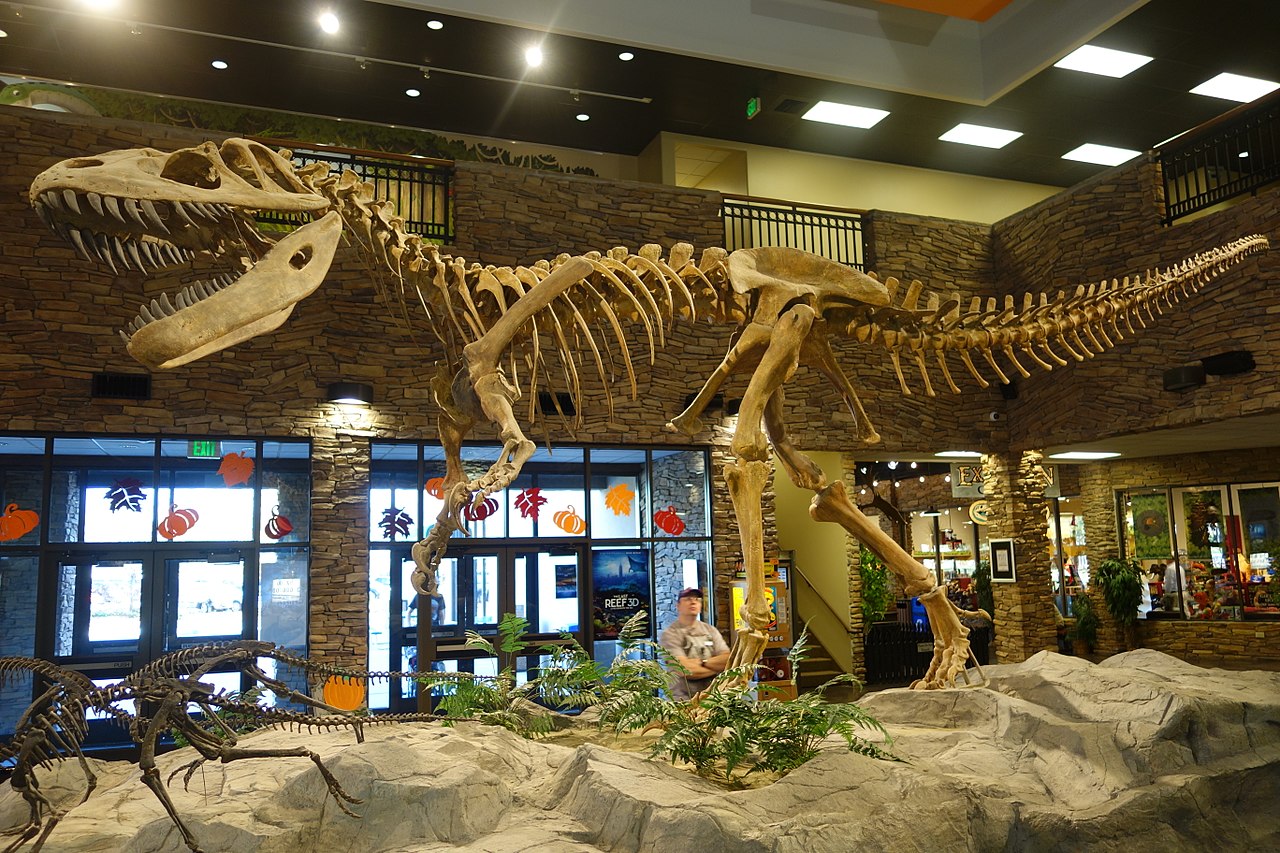


Description and distinguishing features
Megalosaurids typically show a combination of primitive and derived traits: a deep, robust skull with recurved, serrated teeth; relatively large, muscular hindlimbs; and arms that could be well developed but not as specialized as those of later groups. They are generally regarded as basal within the larger tetanuran assemblage and are often described with the term basal to indicate their position. In formal treatments they are included among the tetanurans, a diverse cluster of meat-eating dinosaurs. Their body plan reflects a predatory lifestyle and allowed several genera to become dominant predators in their ecosystems.
Geological age and evolution
Fossils assigned to megalosaurids first appear in deposits of the Middle Jurassic and are best known from the Middle to Late Jurassic intervals. The group represents one of the early significant adaptive radiations of large theropods, occupying ecological roles that later were filled by more derived lineages. Megalosaurids appear to decline toward the close of the Jurassic and are largely absent from well-sampled Cretaceous strata, a pattern that marks the end of their major influence by the end of the Jurassic in many regions.
Taxonomy and notable genera
Researchers divide the family into subgroups while acknowledging uncertainty for some taxa. Two commonly recognized subfamilies are the Megalosaurinae and the Afrovenatorinae, although not all studies use the same names or boundaries. Several genera illustrate the group's range and morphology: a classic example is Megalosaurus, historically important as one of the first named dinosaurs; large-bodied predators such as Torvosaurus; more gracile forms like Afrovenator; and taxa of uncertain placement such as Eustreptospondylus. Some authors treat Eustreptospondylus as a basal genus whose exact subfamily affiliation remains unresolved.
- Megalosaurus — historically significant early British taxon
- Torvosaurus — among the largest known megalosaurids from Europe and North America
- Afrovenator — representative of the African record
- Eustreptospondylus — a taxon with debated placement
Relationships and paleobiology
Megalosauridae share affinities with groups such as the Spinosauridae in broader phylogenetic analyses, though the two families show very different ecological specializations. Studies that treat megalosaurids as part of basal tetanuran diversity emphasize their role in the early evolution of large predatory dinosaurs. Their fossil record, though patchy in places, provides insight into terrestrial predator communities of Jurassic continents, and their remains continue to inform debates about dinosaur biogeography, growth, and functional anatomy.
Because many named species are known from incomplete remains, ongoing fieldwork and reanalysis of historic specimens remain important. New discoveries and modern techniques—comparative anatomy, cladistic analysis and better stratigraphic control—help refine how scientists define the family, assign genera to subgroups, and understand the timing of their rise and decline within Mesozoic ecosystems.
For further reading and specimen data consult specialist summaries and databases curated by paleontologists and museums: see collections and reviews indexed through institutional portals and reference works (search entries linked here as examples: taxonomy overview, diet and feeding, theropod context, classification, Megalosauroidea treatments, stratigraphic intervals, related families, Megalosaurus entries, Torvosaurus material, Eustreptospondylus records, Afrovenator data, radiation discussions, Jurassic surveys, basal traits, tetanuran context, and basal genus notes).
Related articles
Author
AlegsaOnline.com Megalosauridae — a family of Jurassic carnivorous theropods Leandro Alegsa
URL: https://en.alegsaonline.com/art/63511
Sources
- doi.org : 10.1111/j.1096-3642.2009.00569.x