
Tetanurae: the stiff‑tailed clade of advanced theropods
Tetanurae is a major clade of theropod dinosaurs, including the ancestors of birds, characterized by a relatively stiff tail and a suite of skeletal adaptations that evolved by the Jurassic.
Tetanurae (literally "stiff tails") denotes a major and widely studied branch of meat‑eating dinosaurs that includes most derived theropods and, ultimately, modern birds. Tetanurans first appear in the fossil record during the Jurassic and diversified through the Mesozoic to produce a broad range of sizes and ecologies, from large macropredators to small, agile, often feathered forms. The name highlights one of the conspicuous anatomical trends among members of this group: a tail whose vertebrae and associated structures limited lateral flexion and served as an effective counterbalance during active locomotion.
Image gallery
10 Images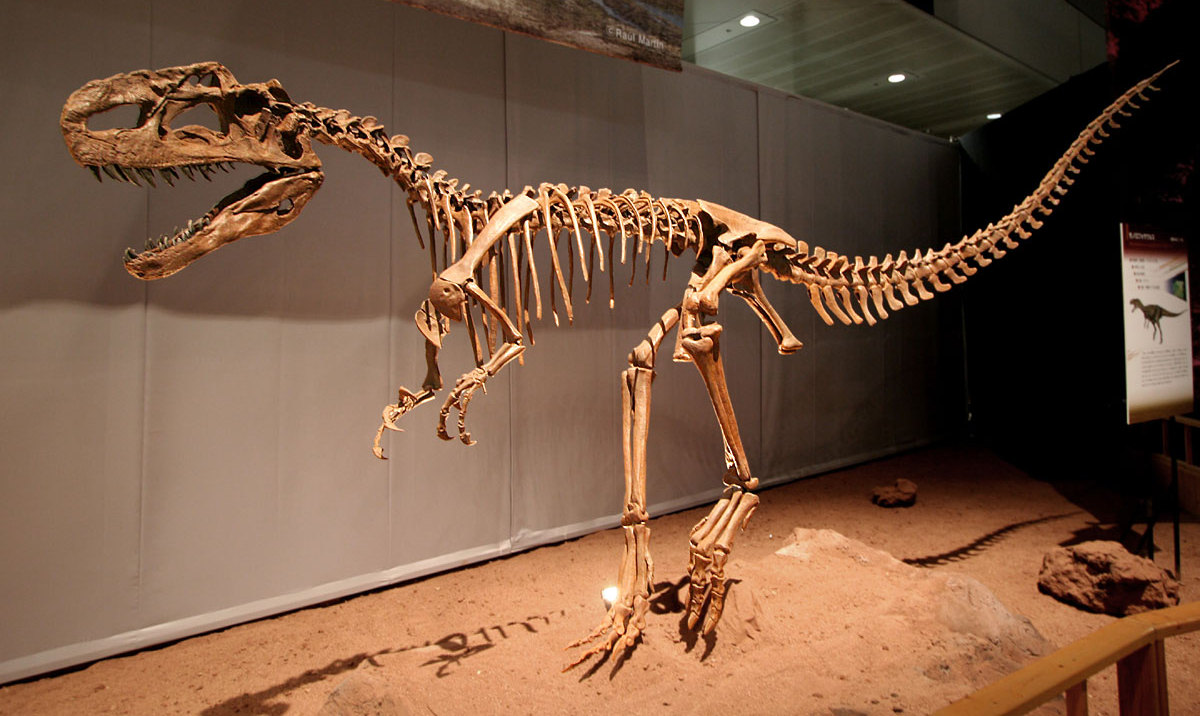


Definition and historical context
In modern systematics Tetanurae is typically defined as all theropods more closely related to modern birds than to Ceratosaurus. This relationship‑based, cladistic definition came into broad use after researchers applied cladistics to vertebrate paleontology, a shift that reoriented dinosaur classification from traditional groupings toward hypotheses of common ancestry. The term was popularized in that methodological context to denote a natural grouping united by shared derived characters.
Key anatomical features
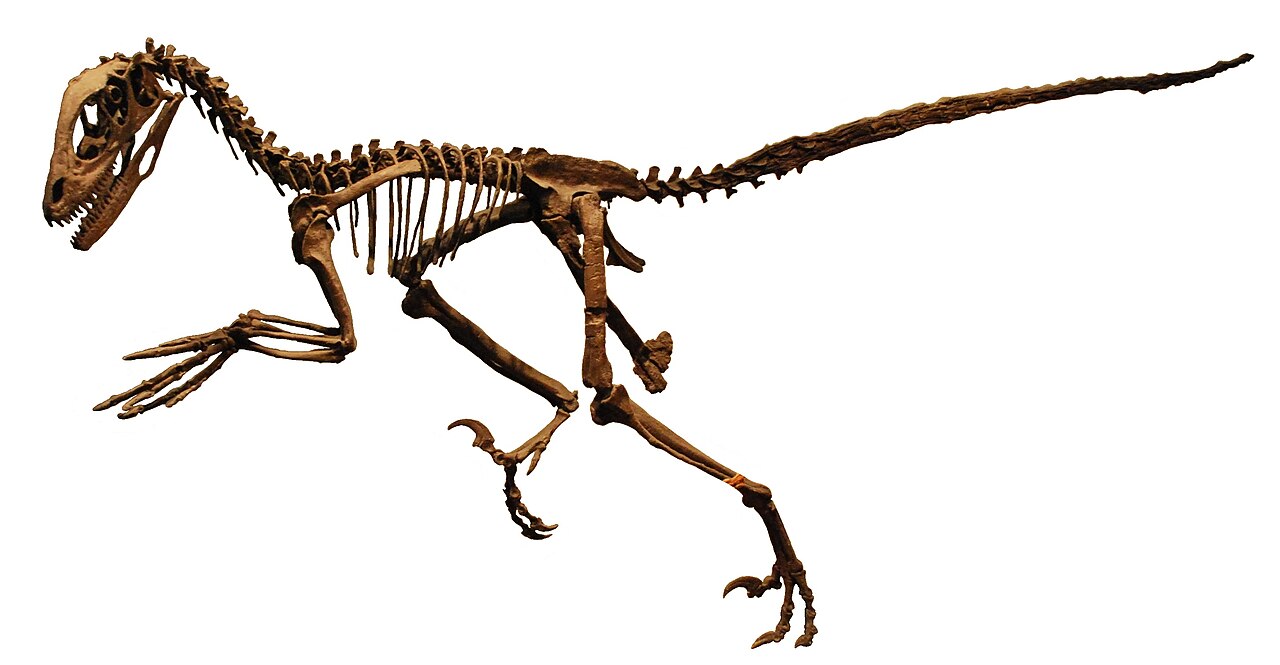
Tetanurans share a suite of skeletal traits that evolved incrementally across different lineages. The tail became relatively stiff in many members through elongate and overlapping processes on the tail vertebrae and robust chevrons and associated elements that limited extreme side‑to‑side movement. This stiffened tail acted as a counterbalance to the forward part of the body, aiding balance and maneuverability during bipedal running and predation.
- Forelimb and wrist modifications: many tetanurans exhibit reduced or specialized hands; in derived coelurosaurs a semilunate carpal and mobile wrist complex are associated with grasping and, later, wing folding in the bird lineage.
- Skull and feeding adaptations: changes in skull shape, teeth, and jaw musculature are common, reflecting diverse diets and hunting strategies among different tetanuran clades.
- Pneumaticity and lightweight skeleton: numerous lineages show increasing vertebral pneumaticity and other weight‑saving features that improved locomotor efficiency.
Diversity and notable examples
Tetanurae encompasses several well known subgroups. Traditionally the clade has been split into assemblages roughly corresponding to large predatory forms and smaller, more bird‑like forms, often referred to in historical literature as Carnosauria and Coelurosauria. Well known members include large allosauroid predators, later tyrannosauroids and a wide variety of coelurosaurs ranging to small dromaeosaurids and eventually to the avian line. Many of the iconic Mesozoic predators familiar from museums and popular media belong to this clade.
Feathers, flight origins and evolutionary importance
One of the most significant implications of tetanuran evolution is their role in the origin of feathers and the transition to flight. Evidence for integumentary filaments or feathers is concentrated in coelurosaurian branches of Tetanurae; these features, together with wrist and shoulder modifications, document a stepwise acquisition of traits that culminated in powered flight among the ancestors of modern birds. Because birds are nested within Tetanurae, the clade provides a framework for studying how avian characteristics evolved from non‑avian theropod ancestors.
Fossil record, age and distribution
Fossils attributable to tetanurans are known from the Jurassic and Cretaceous of all continents except Antarctica in terms of accessible records, reflecting a global radiation through the Mesozoic. Their remains range from isolated bones and teeth to complete skeletons, allowing paleontologists to reconstruct anatomy, growth, and behavior for many species. New discoveries and improved dating continually refine the timeline and geographical patterns of tetanuran evolution.
Phylogeny and ongoing research
Phylogenetic hypotheses about relationships inside Tetanurae are active areas of research; researchers use morphological data, and increasingly developmental and biomechanical approaches, to test competing arrangements. Because the definition ties the group to modern birds and to exclusion of Ceratosaurus, revisions of internal relationships alter how paleontologists name and interpret subordinate clades but not the broad concept of Tetanurae itself. Historical summaries and primary studies that trace these changes are available in technical literature and specialist databases addressing theropods and broader dinosaur systematics.
Paleoecology and behavior
Tetanurans occupied diverse ecological roles as apex predators, mesopredators and, in some cases, omnivores or specialized feeders. Their locomotor adaptations indicate many were active hunters or pursuit predators, and evidence from bone pathology and trackways contributes to interpretations of hunting, social behavior, and life history. Comparative studies of limb proportions, tooth wear and isotopic signatures help reconstruct diets and trophic interactions in Mesozoic ecosystems.
Summary and further reading
- Tetanurae is a broad clade of theropod dinosaurs united by tail stiffening and numerous derived skeletal features.
- The group includes the lineage that produced modern birds, making it central to studies of avian origins and the evolution of flight.
- Definitions and internal relationships have been shaped by the advent of cladistic methods and continue to be refined as new fossils and analyses appear.
For introductions and more technical treatments consult studies and reviews in vertebrate paleontology and specialist sources that summarize tetanuran anatomy, diversity and phylogeny; relevant subject headings and databases are indexed under terms such as vertebrate paleontology, theropods and dinosaurs.
Author
AlegsaOnline.com Tetanurae: the stiff‑tailed clade of advanced theropods Leandro Alegsa
URL: https://en.alegsaonline.com/art/131731