
Megalosauroidea — overview of the megalosauroid theropods
Megalosauroidea is a clade of mostly large carnivorous tetanuran theropods that lived from the Middle Jurassic into the Late Cretaceous, including megalosaurids, spinosaurids and related genera.
Megalosauroidea is a broad clade of carnivorous tetanuran theropod dinosaurs that first appear in the fossil record in the Middle Jurassic and persist in some lineages into the Late Cretaceous. Members range from relatively typical large-bodied land predators to highly specialized forms. The group is best known for genera such as Spinosaurus, Megalosaurus and Torvosaurus, which illustrate the variety of skull shapes and feeding habits within the clade.
Image gallery
10 Images
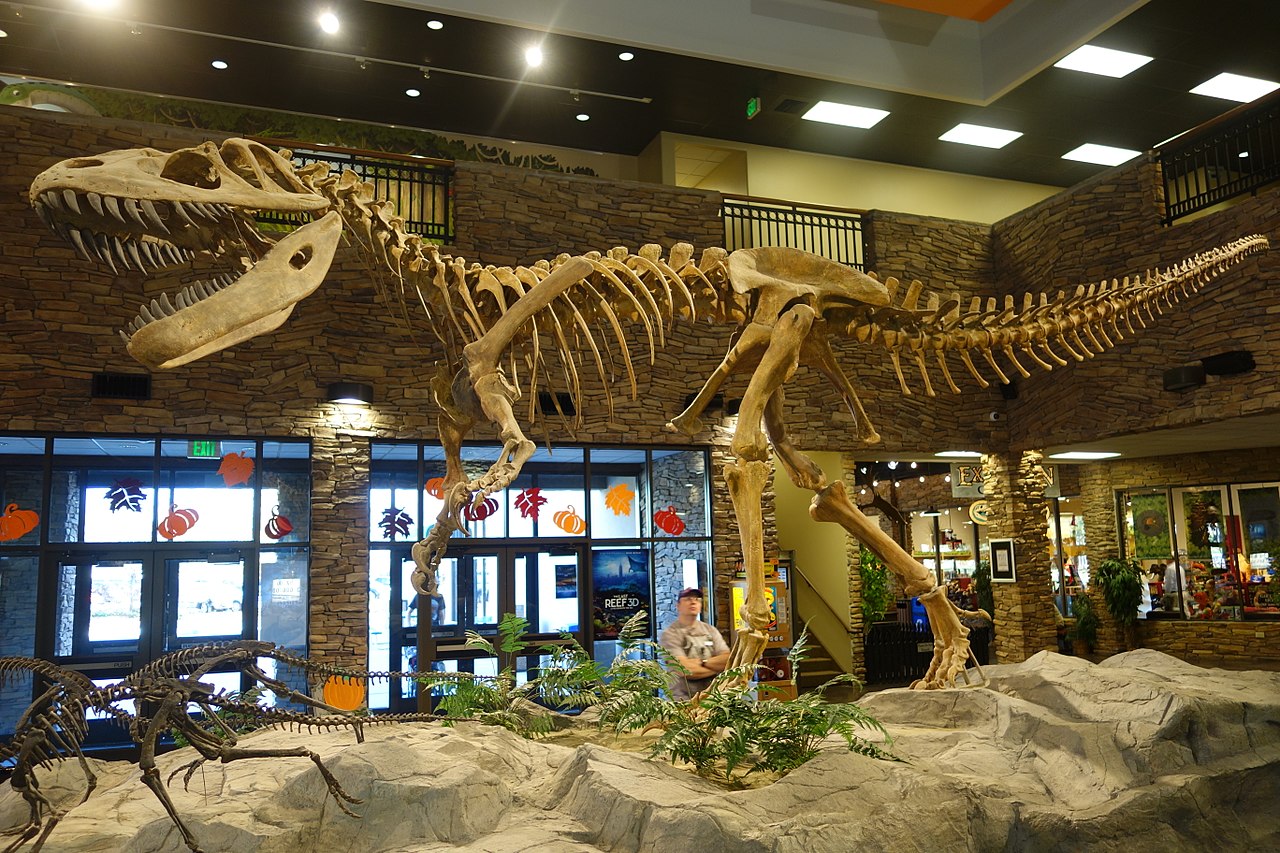


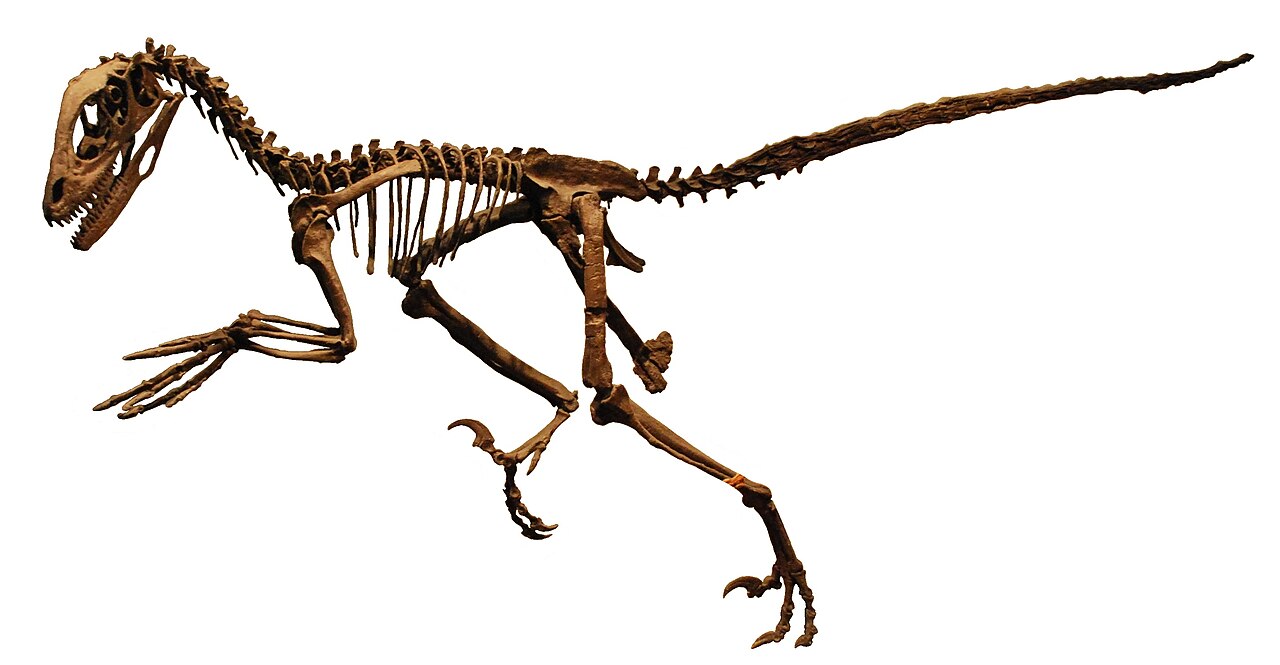
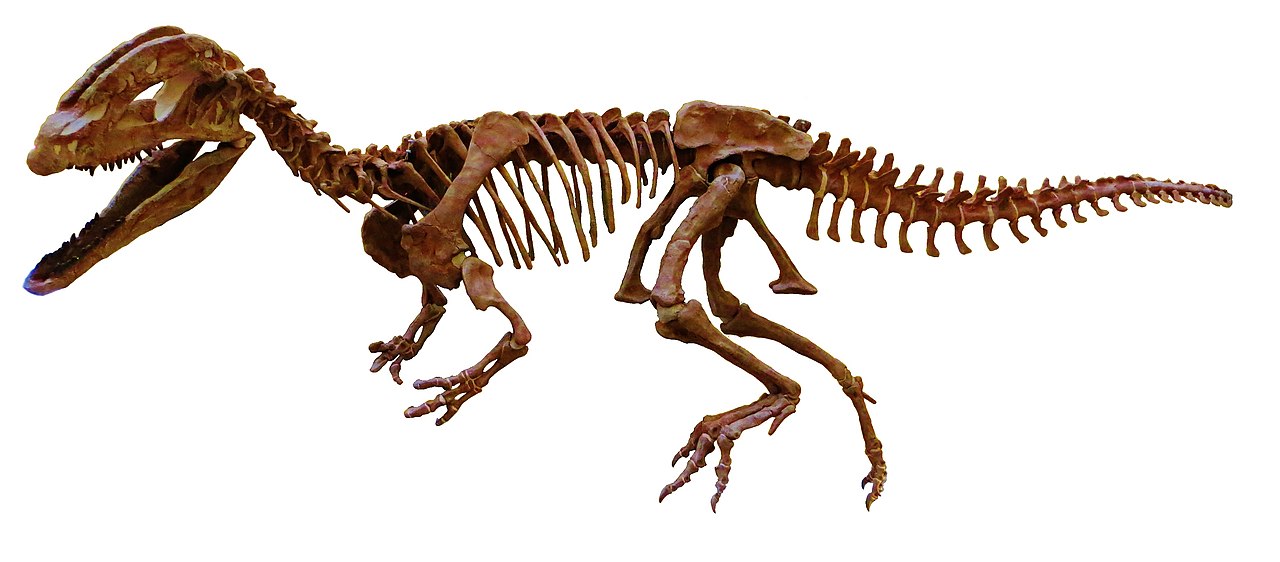
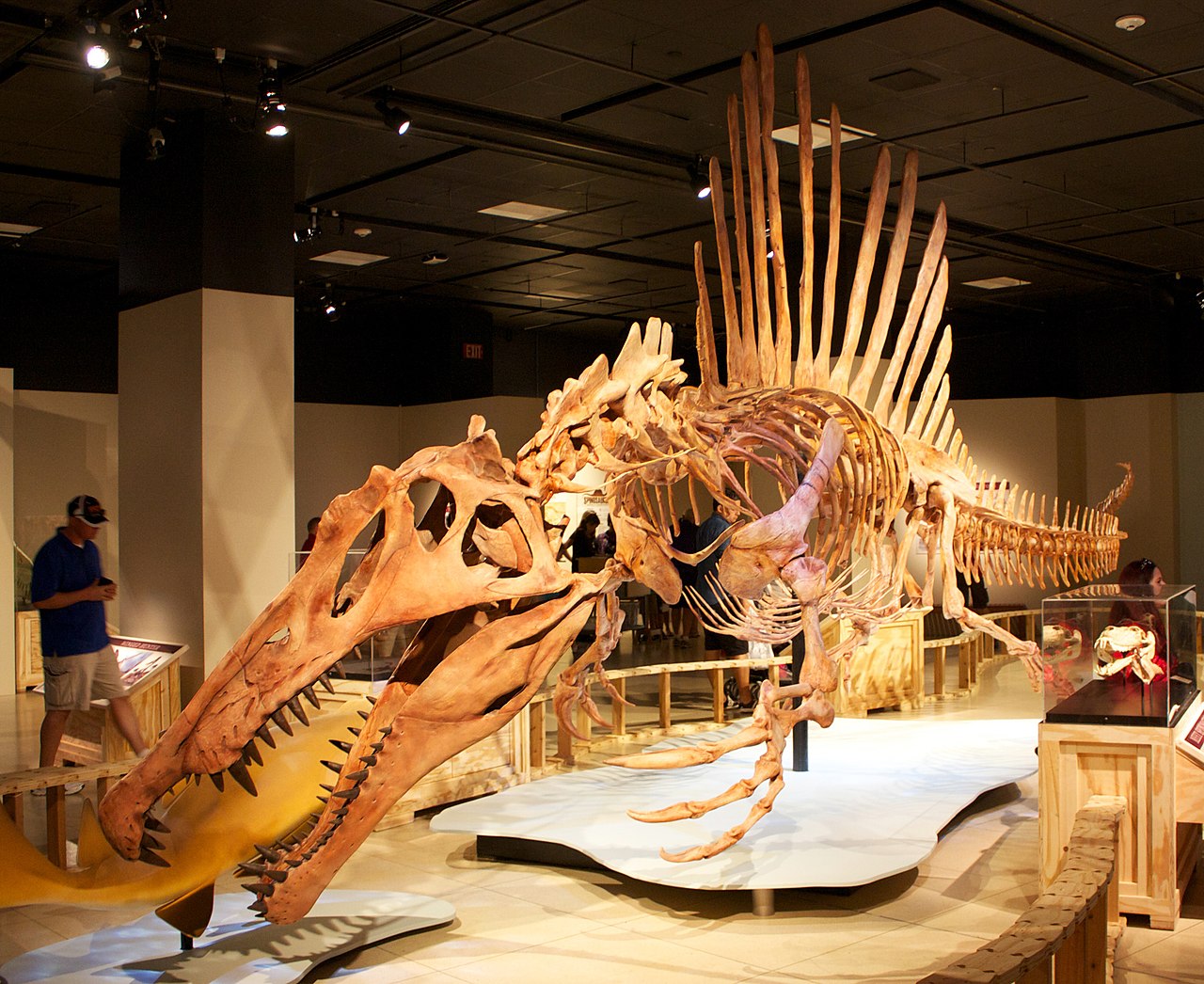


Key characteristics
Megalosauroids share a suite of skeletal features that place them among basal tetanurans: robust hindlimbs, powerful jaws with recurved or conical teeth, and modifications to the pelvis and vertebrae that reflect large predatory anatomy. Many were large-bodied predators, but proportions vary — especially among spinosaurids, which show elongated snouts and conical teeth adapted for catching fish. Paleontologists use skull proportions, tooth shape and pelvic bones to distinguish megalosauroids from other theropods.
Taxonomy and representative genera
- Megalosauridae — early, often robust predators such as Megalosaurus.
- Spinosauridae — long-snouted, sometimes semi-aquatic forms including Spinosaurus.
- Torvosauridae and other related lineages — large Jurassic predators like Torvosaurus.
These families together form the grade or clade conventionally referred to as Megalosauroidea; different studies vary in the precise membership and relationships within the group.
Discovery and history of study
One notable species, Megalosaurus, was among the first dinosaurs to be scientifically named in the early 19th century, and the group has been part of debates about theropod relationships ever since. Fossils have been found on multiple continents, and revisions to classification are common as new material and modern phylogenetic methods refine evolutionary trees. The clade’s early Jurassic origins and later Cretaceous survivals reflect a long and evolving history.
Paleobiology, ecology and significance
Megalosauroids occupied a variety of ecological niches. Most were terrestrial apex predators, but some, particularly spinosaurids, show anatomical traits consistent with piscivory and partial aquatic habits. Their diversity demonstrates how an originally similar body plan could diversify into different feeding strategies. Fossil distribution across Europe, Africa, Asia and the Americas attests to their broad geographic reach and ecological importance in Mesozoic ecosystems.
Distinctions and notable facts
Megalosauroidea is positioned near the base of Tetanurae and is distinct from the later-diverging Allosauroidea and Coelurosauria. Because the group includes both generalized predators and highly specialized forms, it is often cited in discussions of convergent evolution and niche partitioning among large theropods. For further general background see summaries of theropod evolution and regional fossil records (dinosaurs overview, Middle Jurassic context).
Related articles
Author
AlegsaOnline.com Megalosauroidea — overview of the megalosauroid theropods Leandro Alegsa
URL: https://en.alegsaonline.com/art/63512
Sources
- doi.org : 10.1111/j.1096-3642.2009.00569.x
- doi.org : 10.1080/14772019.2011.630927