
Torvosaurus: the giant predator of the Late Jurassic
Torvosaurus was a large Late Jurassic theropod known from North America and Portugal; notable for its size, robust skull and role in diverse Morrison Formation ecosystems.
Torvosaurus was a large, meat-eating theropod dinosaur that lived during the Late Jurassic period. Fossils are known from western North America and parts of Europe, notably Colorado and Portugal, where two main species have been recognized. First recovered from Upper Jurassic rocks, Torvosaurus has attracted attention as one of the largest predators in the ecosystems that dominated North America and western Europe roughly 153–148 million years ago. For an overview and additional general references see Torvosaurus and the broader context of the Upper Jurassic.
Image gallery
10 Images

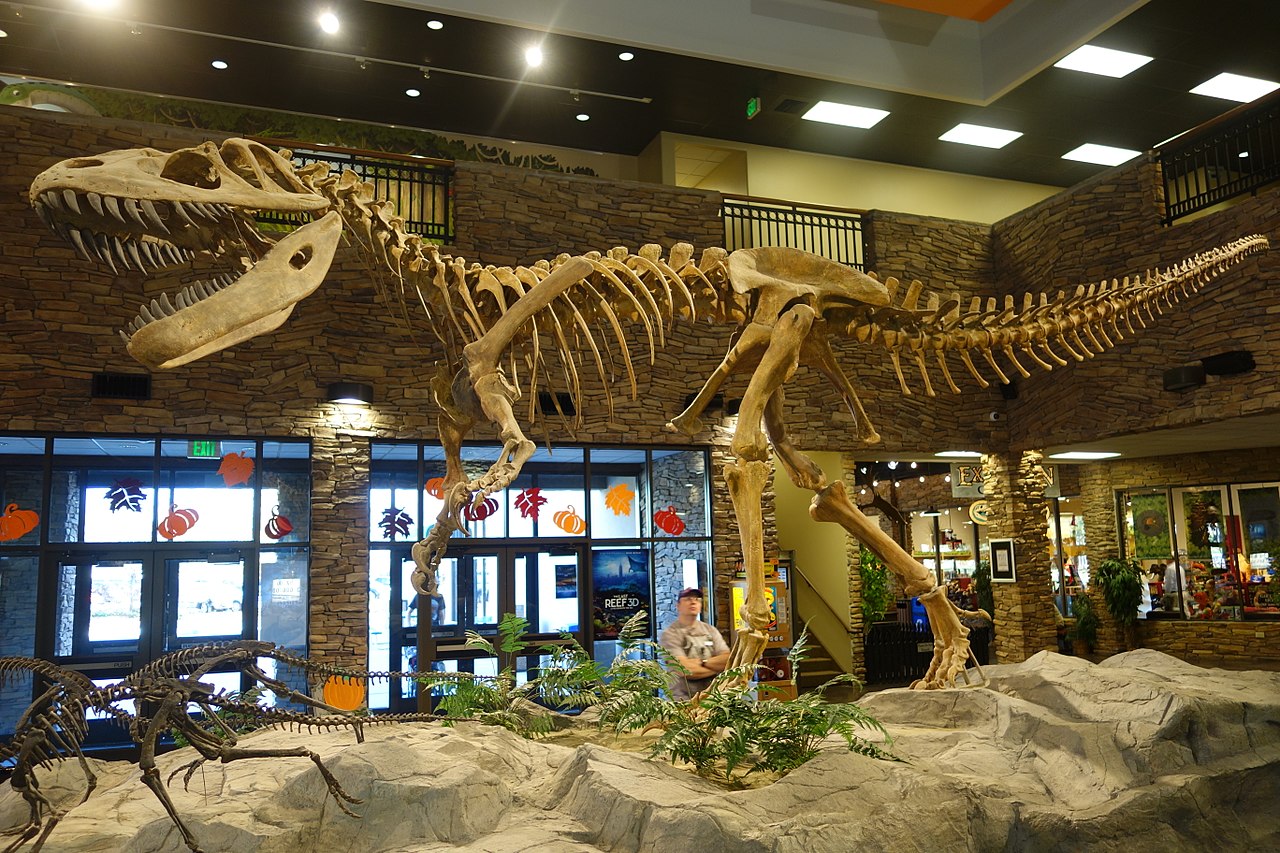
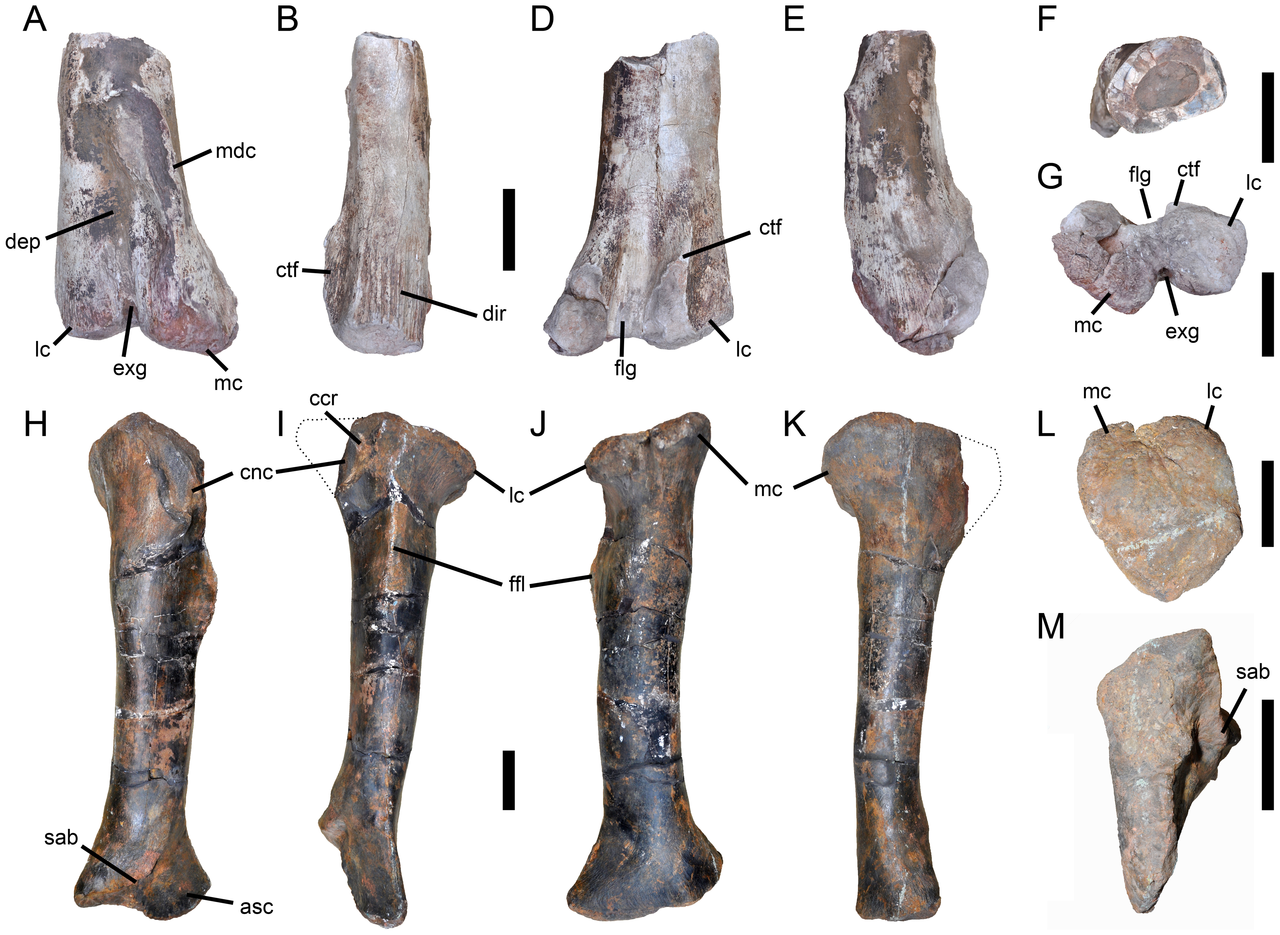


Physical characteristics
Torvosaurus was a heavy, bipedal carnivore with a large skull, deep jaws and blade-like teeth adapted for slicing flesh. Length estimates for the largest specimens typically fall in the range of about 9–11 meters, with mass estimates varying by study but generally indicating a multi-ton animal. Its forelimbs were relatively large and ended in grasping hands, though in proportion they differed from the more-powerful arms of Allosaurus and the famously reduced limbs of T. rex. The skull bore robust bone and pronounced muscle attachment sites, suggesting a strong neck and a bite capable of handling large prey.
Fossil record and distribution
Well-preserved material of Torvosaurus has been recovered from the Morrison Formation of western North America and from Late Jurassic units in Portugal. North American finds are particularly associated with sites such as the Dry Mesa Dinosaur Quarry in western Colorado, which preserves a rich fossil assemblage and paleoenvironmental evidence. European remains, including sizeable specimens from Portugal, have led to the recognition of a separate but closely related species. For locality and geological context see the Dry Mesa exposures in Colorado and the Portuguese occurrences in Portugal.
Environment and associated fauna
The habitats occupied by Torvosaurus were varied but often included river systems and extensive wetlands that drained into large basins. Sedimentological and chemical data indicate that parts of the Morrison basin contained a vast saline, alkaline lake and surrounding floodplains, providing diverse ecological niches. Readers interested in landscape and climate reconstructions can consult summaries of the region's paleoenvironment, the Morrison Formation, and evidence for saline/alkaline conditions in some basins (saline, alkaline lake).
- Dry Mesa Quarry has yielded a wide array of large herbivores and other theropods, showing the community in which Torvosaurus lived. Notable contemporaries include sauropods like Apatosaurus, Diplodocus, Barosaurus, Supersaurus, and Camarasaurus.
- Ornithischians and smaller ornithopods present at the same sites include Camptosaurus and Dryosaurus.
- Other theropods from the same horizon include Allosaurus, Ceratosaurus, and Ornitholestes, while plated dinosaurs like Stegosaurus were also common.
Discovery, taxonomy and significance
Torvosaurus was described from North American material in the 20th century and later more complete specimens and European remains refined its anatomy and diversity. Paleontologists have recognized at least two species, one from North America and another from Portugal, which underline the broad geographic distribution of large theropods in the Late Jurassic. Because of its size and morphology, Torvosaurus is important for understanding predator-prey dynamics in Morrison-age ecosystems and for comparisons with other large theropods of the era.
Paleobiology and behavior
Like other large theropods, Torvosaurus was a top-level predator that likely fed on large sauropods and other sizeable herbivores when opportunity allowed, though scavenging and opportunistic feeding would also have been part of its ecology. Its robust skull and teeth suggest a hunting strategy that involved inflicting deep wounds and cutting flesh rather than bone-crushing. Comparisons with contemporaries such as Allosaurus help paleontologists explore niche partitioning — how multiple large predators could coexist by differing in size, bite mechanics, or preferred prey.
Torvosaurus remains a focal taxon for studies of Late Jurassic theropod diversity, continental faunal connections between North America and Europe, and the structure of ancient ecosystems. For introductory resources and museum exhibits, consult general references and regional fossil summaries linked above.
Questions and answers
Q: What kind of dinosaur was Torvosaurus?
A: Torvosaurus was a large carnivorous dinosaur.
Q: When did Torvosaurus live?
A: Torvosaurus lived about 153 to 148 million years ago.
Q: Where did it live?
A: Torvosaurus lived in what is now Colorado and Portugal.
Q: How big was it?
A: It grew to 9 to 11 meters (30 to 36 ft) in length and an estimated weight of about 2 metric tons (2.2 tons).
Q: How powerful were its arms compared to other dinosaurs?
A: In proportion, Allosaurus had more powerful arms, and T. rex had tiny arms compared to Torvosaurus.
Q: What can be found at the Dry Mesa Dinosaur Quarry?
A: The Dry Mesa Quarry has produced the remains of sauropods such as Apatosaurus, Diplodocus, Barosaurus, Supersaurus, Dystylosaurus, Camarasaurus; iguanodontid Camptosaurus; theropods Allosuarus, Ceratosaurus and Ornitholestes; as well as Dryosaursus and Stegosauruses.
Q: What type of environment existed during this time period? A: Studies suggest that the paleoenvironment of this part of the Morrison Formation had rivers flowing from the west into a basin with a giant saline alkaline lake nearby with extensive wetlands.
Related articles
Author
AlegsaOnline.com Torvosaurus: the giant predator of the Late Jurassic Leandro Alegsa
URL: https://en.alegsaonline.com/art/100784
Sources
- journals.plos.org : journals.plos.org/plosone/article?id=10.1371/journal.pone.0088905