
Mary II (1662–1694), queen of England, Scotland and Ireland
Mary II (30 April 1662–28 December 1694) ruled jointly with her husband William III after the Glorious Revolution. A Protestant sovereign, she played an active role in government, the Church of England and the settlement of 1689.
Overview
Mary II was queen regnant of England, Scotland and Ireland from 1689 until her death in 1694. Born on 30 April 1662, she became one of the central figures of the Glorious Revolution that displaced her father, James II and VII, and brought her and her husband William of Orange to the throne. Mary reigned jointly with William III, a partnership commonly referred to in history as the reign of "William and Mary." Her position combined dynastic legitimacy as a Stuart with a firm commitment to Protestant religion and constitutional government.
Image gallery
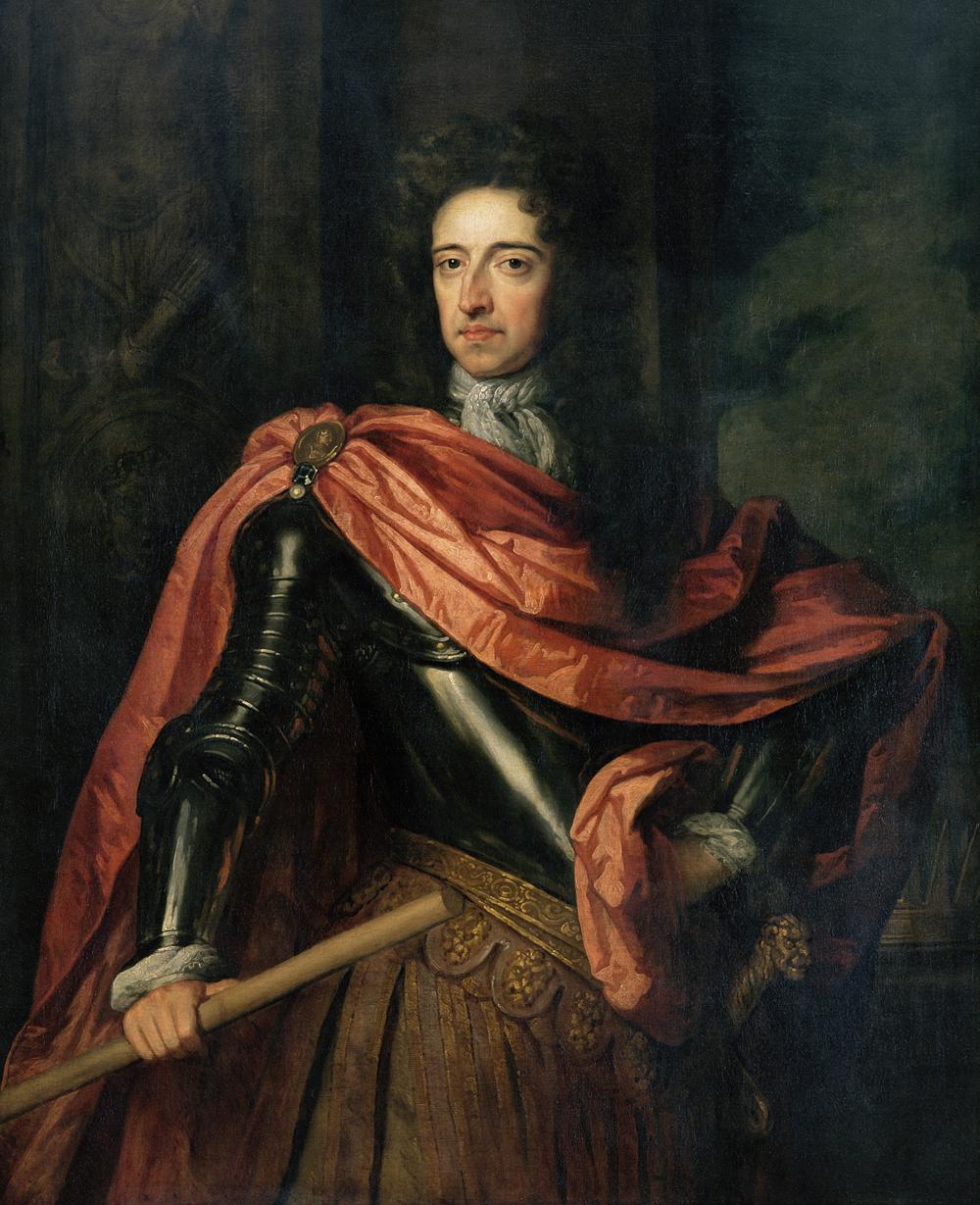
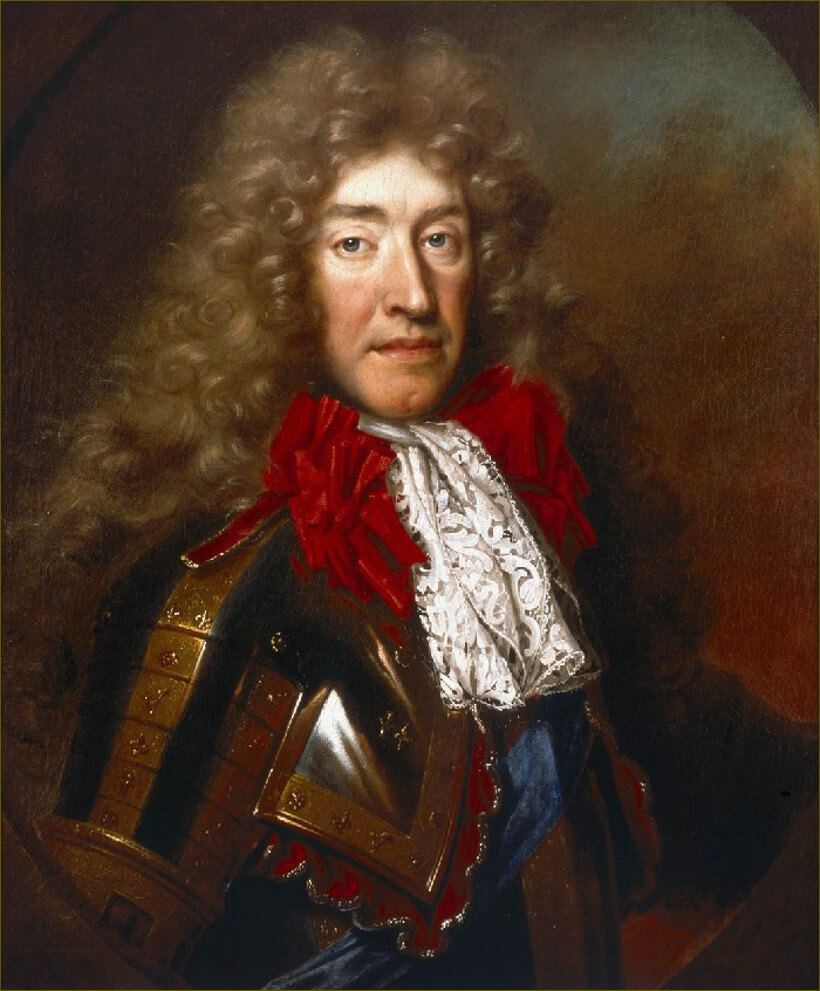
9 Images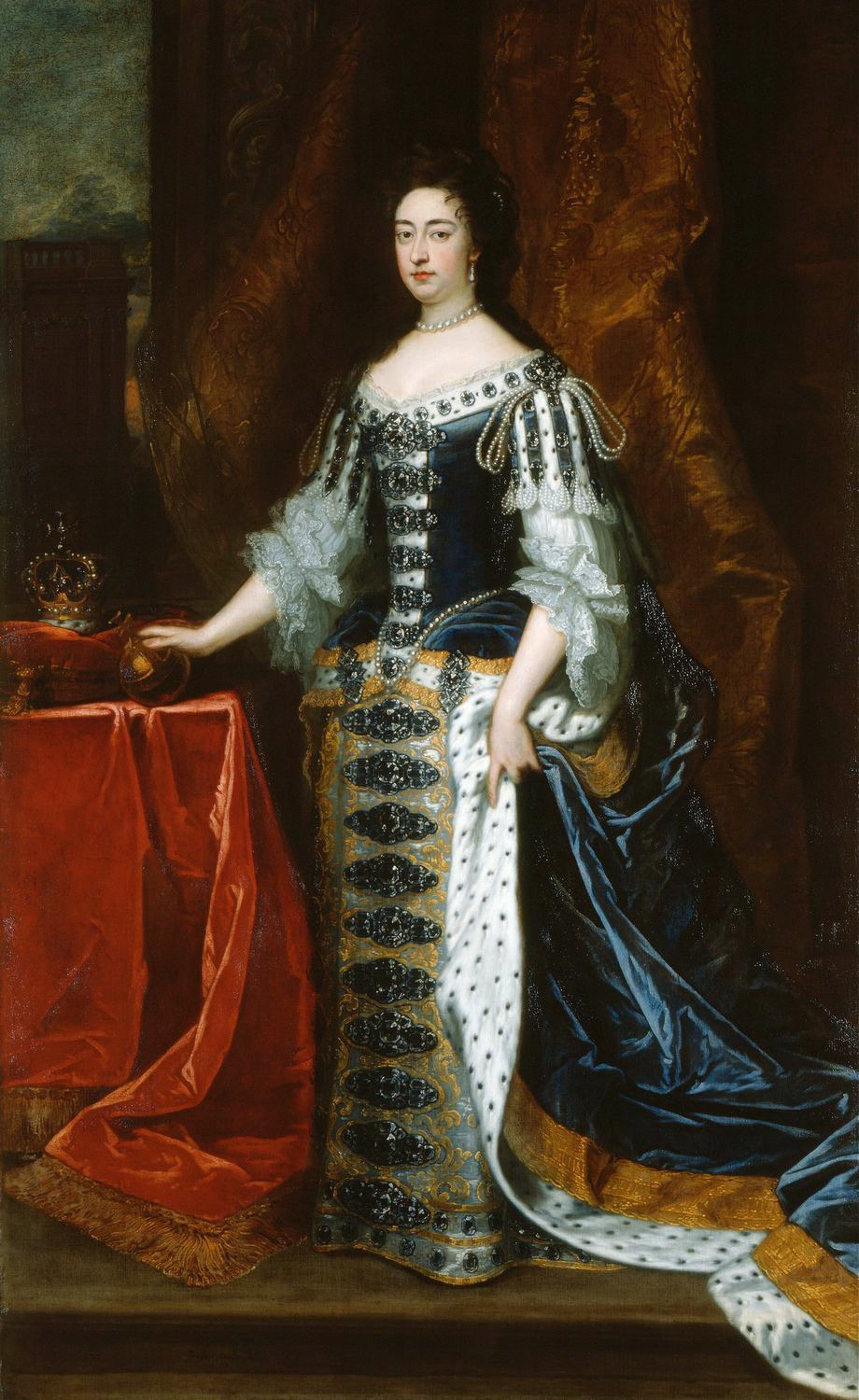




Early life and family
Mary was born at St. James's Palace in London, the eldest surviving daughter of James, Duke of York (later James II and VII) and his first wife, Lady Anne Hyde. Her uncle was Charles II. Although her father converted to Catholicism, Mary and her younger sister Anne were raised in the Protestant faith in accordance with the wishes of the king and the expectations of the political nation. Her stepmother, Mary of Modena, was Catholic, a source of tension that later contributed to political crisis.
Marriage and life in the Netherlands
At fifteen Mary was betrothed to her cousin William, Prince of Orange, and they married on 4 November 1677 in London. The match brought Mary to the Dutch Republic and linked two Protestant dynasties. In the Netherlands she became known for a lively and dutiful temperament and for deep personal piety. Her marriage was complex: she loved William but their relationship suffered from distance, the strains of politics and his long absences. She suffered several failed pregnancies (pregnancies) that ended in miscarriage or stillbirth, and William was widely rumoured to have been unfaithful, notably with Elizabeth Villiers, one of Mary's attendants (Elizabeth Villiers).
The Glorious Revolution and accession
Political alarm over the prospect of a Catholic succession under James II led to the invitation of William to intervene. The bloodless transfer of power known as the Glorious Revolution resulted in James's deposition and the joint invitation to William and Mary to accept the crowns. Mary was a Protestant (Protestant) figurehead whose claim helped placate English opinion. In 1689 the couple accepted constitutional limits on monarchical authority in the Declaration of Right, commonly formalized in the Bill of Rights, which shaped the balance between crown and Parliament.
Joint sovereignty and government
Mary and William were crowned together and ruled as co-monarchs, often styled as William and Mary. Practically, William exercised substantial military and foreign policy leadership, while Mary took a more visible domestic role. When William campaigned abroad, Mary acted as sole sovereign in England and presided over councils and correspondence. She was regarded as industrious, composed and politically capable, though she frequently deferred to William on strategic matters. She maintained an extensive correspondence with ministers and advisors and exerted influence on appointments and decisions.
Religion, the church and public life
Mary was active in the affairs of the Church of England, holding its leadership responsibilities as its Supreme Governor. Her Protestant faith shaped her public image and policy priorities at a time when confessional allegiance mattered deeply to public trust. Her conduct, visible piety and patronage of church figures helped stabilise the religious settlement after 1689. She also performed ceremonial duties, received ambassadors and took part in court life, all of which contributed to the new regime's legitimacy.
Death and historical significance
Mary died on 28 December 1694 after a short illness. She left no surviving children, and William continued to rule alone until his death in 1702. Historians regard Mary as a key actor in the constitutional changes of the late 17th century: her acceptance of limited monarchy, public role in government, and reputation as a Protestant sovereign helped shape the British monarchy's transition toward parliamentary supremacy. Her life illustrates the interweaving of dynastic marriage, religion and the emergence of modern constitutional monarchy.
Related topics and further reading
- England
- Scotland
- Ireland
- Protestantism in the 17th century
- The Glorious Revolution
- James II and VII
- William III and II
- Contemporary accounts and popular histories
- Church of England
- Supreme Governor of the Church of England
- St. James's Palace
- Anne Hyde
- Charles II
- Princess Anne (later Queen Anne)
- James's second marriage
- Mary of Modena
- Court relationships and attendants
- Royal betrothals and dynastic politics
- William, Prince of Orange
- Mary, Princess Royal
- Contemporary descriptions of ceremony
- The Dutch Republic
- Royal pregnancies
- Miscarriage
- Stillbirth
- Elizabeth Villiers and court scandal
Questions and answers
Q: Who was Mary II?
A: Mary II was Queen regnant of England, Scotland, and Ireland from 1689 until her death. She was a Protestant and became queen after the Glorious Revolution which resulted in the deposition of her Roman Catholic father, James II and VII.
Q: How did Mary become Queen?
A: Mary became Queen after the Glorious Revolution which resulted in the deposition of her Roman Catholic father, James II and VII.
Q: What type of ruler was she?
A: Mary was a powerful, firm, and effective ruler. She gave most of her authority to her husband but he greatly depended on her.
Q: Who were Mary's parents?
A: Mary's father was James, Duke of York, and her mother was his first wife Lady Anne Hyde. Her uncle was Charles II and her grandfather by her mother's side was Edward Hyde 1st Earl of Clarendon who served for a long time as Charles's chief advisor.
Q: Who did Charles want Mary to marry?
A: At first Charles wanted Mary to marry the heir to the French Throne Dauphin Louis because he hoped that England would become friends with France and also wanted to have a Catholic successor to the throne. But due to Parliament's pressure he later approved their marriage with William Prince of Orange instead.
Q: When did they get married?
A:Mary and William married in London on 4 November 1677. It is reported that she wept through the whole ceremony.
Q:What kind of relationship did they have?
A:Mary loved William deeply but their marriage often unhappy as it had no children due to miscarriages or stillbirths .William had an affair with Elizabeth Villiers one of Mary’s ladies-in-waiting for a long time but eventually grew warmer towards his wife again .
Related articles
Author
AlegsaOnline.com Mary II (1662–1694), queen of England, Scotland and Ireland Leandro Alegsa
URL: https://en.alegsaonline.com/art/62470
Sources
- commons.wikimedia.org : Mary II of England
- englishmonarchs.co.uk : "The House Of Stuart: William III and Mary II"
- berkshirehistory.com : "Anne Hyde"
- bbc.co.uk : "BBC - History - Historic Figures: Mary II (1662 - 1694)"
- englishmonarchs.co.uk : "The House Of Stuart: James II"
- britannica.com : "Mary II (queen of England, Scotland, and Ireland) -- Britannica Online Encyclopedia"
- jacobite.ca : "James II and VII"
- uni-mannheim.de : The Policy of Charles II and James II. (1667–87.)
- litencyc.com : "Reign of King William III"
- jacobite.ca : "Enquiry of the Princess of Orange into the Birth of the Prince of Wales"
- thegloriousrevolution.org : "The Glorious Revolution of 1688:Chronology"
- royal.gov.uk : "James II"
- british-history.ac.uk : The History and Proceedings of the House of Commons : volume 2
- royal.gov.uk : "William III and Mary II"
- britannica.com : "William Sancroft"