
Prince of Orange (European princely title)
Historic princely title originating in the former Principality of Orange. Long associated with the House of Orange‑Nassau and the Dutch heir, it has been used by several European noble houses.
The term Prince of Orange denotes a historic European princely dignity derived from the medieval sovereign territory known as the Principality of Orange in southern France. As a hereditary title, it passed between dynasties and became particularly prominent through its long association with the Dutch royal family, the House of Orange‑Nassau. The title is often used in constitutional and ceremonial contexts and has both masculine and feminine forms (Prince or Princess of Orange) when borne by an heir.
Image gallery
10 Images



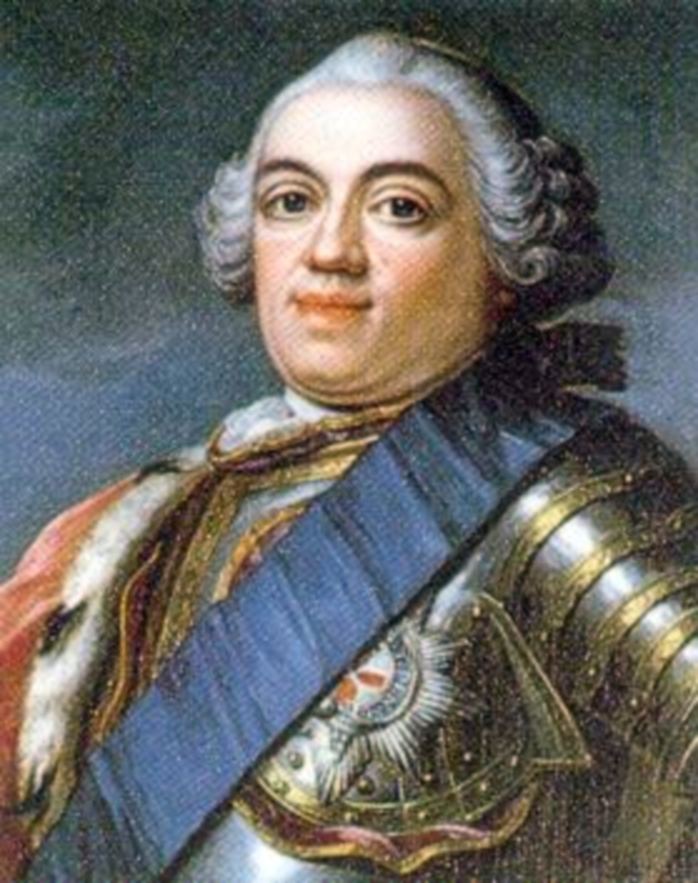


Origins and historical development
The title originates with a small feudal principality centered on the town of Orange in Provence. Over centuries it functioned as an independent or semi‑independent lordship within the patchwork of medieval France. The dignity passed by inheritance and marriage between several noble houses, and in the 16th century it became linked with the Nassau family, which later played a central role in Dutch politics and independence movements.
Notable historical bearers include leaders who are commonly known by the name "of Orange," most famously William of Orange (often called William the Silent) and William III, who became king in England, Scotland and Ireland. While the principality itself was eventually absorbed into the French state and ceased to be a sovereign territory, the title endured as a dynastic and ceremonial honor.
Modern usage and legal status
Today the title is primarily associated with the Netherlands, where by tradition and constitutional practice the dignity of Prince of Orange (or Princess of Orange) is reserved for the heir apparent to the Dutch throne. The title is used as a style of the heir and figures in public ceremonies, honours and succession protocols. It is distinct from other noble ranks and from the historical sovereignty of the old principality.
Other claimants and related usages
Over time various European houses have used or claimed the title in different forms. Some German and French noble families have borne the designation in their titulature; for example, members of the House of Hohenzollern and other dynasties have at times included Orange‑related styles among many historic titles. Because the territorial principality no longer exists, multiple historic and symbolic claims can coexist without implying current sovereign authority.
Significance and distinctions
- The title blends territorial origin (Orange in Provence) with dynastic succession and national symbolism, especially in Dutch history.
- "Prince of Orange" as used in the Netherlands differs from historical sovereignty: it is a dynastic style tied to the heir rather than a governing role over the former principality.
- The name "Orange" has wider cultural resonance through figures such as William of Orange and associated commemorations in other countries.
For further background on nobility and titles, see general entries on nobility and on the dynastic house that most prominently uses the dignity, the House of Orange‑Nassau. Specialized studies explore the territorial history of the old principality and how its title migrated across European noble families over the centuries. Additional overviews of the modern Dutch monarchy and succession may be found through sources linked below.
Useful references: title of nobility, Netherlands, and comparative dynastic histories such as those touching on the House of Hohenzollern.
Questions and answers
Q: What is the Prince of Orange?
A: The Prince of Orange is a title of nobility that is used by members of the House of Orange-Nassau and the House of Hohenzollern.
Q: Who can use the title Prince of Orange?
A: The title Prince of Orange can be used by heirs to the crown of the Netherlands who are members of the House of Orange-Nassau, as well as members of the House of Hohenzollern.
Q: Who currently holds the title Prince of Orange from the House of Orange-Nassau?
A: Prince Willem-Alexander of the Netherlands currently holds the title Prince of Orange from the House of Orange-Nassau.
Q: Who currently holds the title Prince of Orange from the House of Hohenzollern?
A: Georg Friedrich, Prince of Prussia is the current holder of the title Prince of Orange from the House of Hohenzollern.
Q: Is the title Prince of Orange limited to only these families mentioned in the text?
A: Yes, the text states that the title is used by members of the House of Orange-Nassau and the House of Hohenzollern.
Q: Why is the title Prince of Orange significant?
A: The title Prince of Orange is significant as it is used by heirs to the crown of the Netherlands, and it carries a history of power and influence in European politics.
Q: What other title does the Marquis de Mailly-Neslé hold besides Prince of Orange?
A: The Marquis de Mailly-Neslé also holds the title Guy, Prince d'Orange.
Related articles
Author
AlegsaOnline.com Prince of Orange (European princely title) Leandro Alegsa
URL: https://en.alegsaonline.com/art/79175
Sources
- koninklijkhuis.nl : Website Dutch Royal House on Willem-Alexander