
Mary of Modena: queen consort, exile, and Jacobite figure (1658–1718)
Mary of Modena, Italian princess and second wife of James II of England, whose Catholic faith and the birth of her son helped precipitate the Glorious Revolution and shaped Jacobite exile politics.
Overview
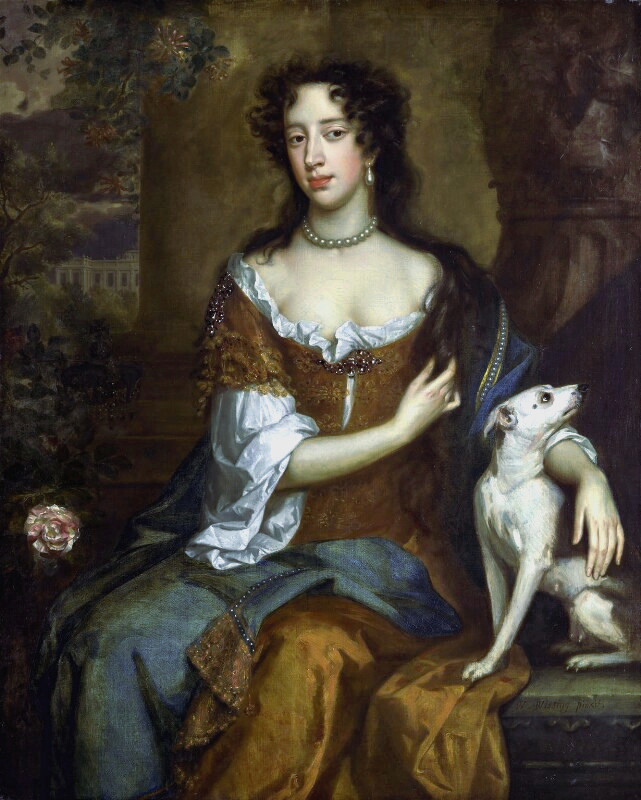
Mary of Modena (born Maria Beatrice d'Este, 1658–1718) was an Italian princess who became queen consort of England, Scotland and Ireland as the second wife of James II. A devout Catholic, she is best known for the controversial 1688 birth of her son, James Francis Edward, and for spending the remainder of her life in exile after her husband was deposed in the Glorious Revolution.
Image gallery
9 Images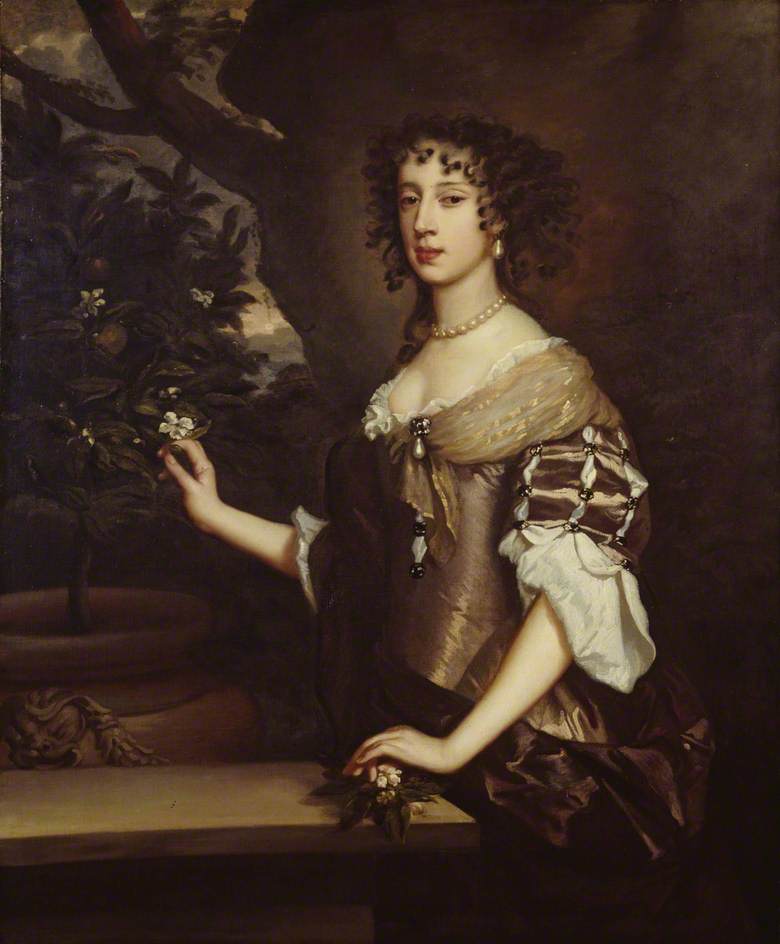



Early life and marriage
Mary was born into the ducal family of Modena in northern Italy. She was married in 1673 to James, Duke of York, the younger brother of King Charles II. The marriage allied the English royal family with a Catholic Italian dynasty and made Mary a central figure in the religious and dynastic tensions that marked late 17th‑century Britain. Her firm Catholicism and close personal devotion to her husband distinguished her from many contemporaries who combined court politics with broader public roles.
Reign, children and the birth controversy
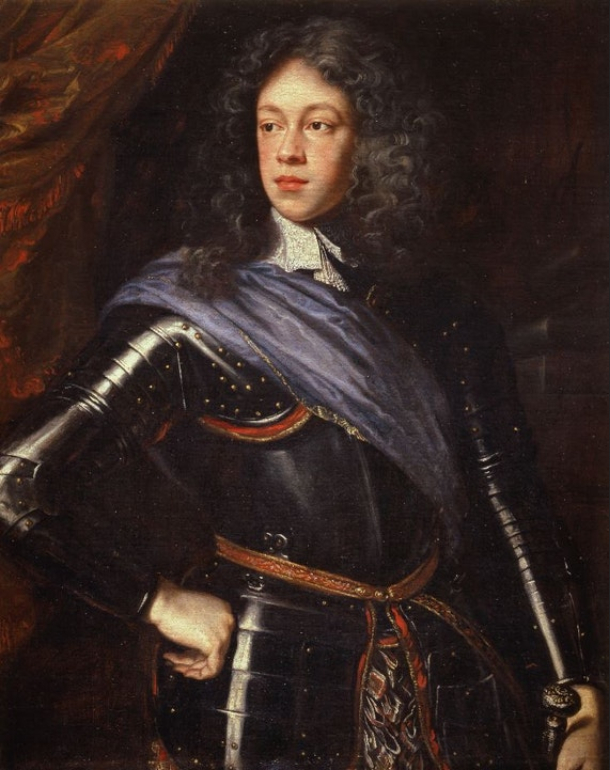
As queen consort after James acceded to the throne in 1685, Mary supported her husband's attempts to preserve Catholic rights in a largely Protestant kingdom. The couple had several children, but two reached adulthood: a daughter often called Louise Mary and a son, James Francis Edward, born in 1688. The newborn's arrival provoked a powerful and enduring rumor that he had been smuggled into the birth chamber in a warming pan to secure a Catholic succession. The allegation was investigated and denied by contemporary officials, but it nevertheless became a rallying point for opponents of James II and contributed directly to the crisis that led to William of Orange's invasion and the subsequent transfer of the crown.
Exile, regency and later life
After James II was deposed in the Glorious Revolution, Mary accompanied him into exile in France, where King Louis XIV hosted the displaced Stuart court at Saint‑Germain‑en‑Laye. In exile she combined responsibilities as a wife and mother with a visible role among the Jacobite community that supported her husband and, later, her son. Following James II's death in 1701 she acted as regent for her son during his minority, maintaining the Jacobite claim to the British thrones until political developments, including the Treaty of Utrecht, made continued French sanctuary untenable.
Legacy and historical significance
Mary of Modena remains a figure closely associated with the end of Stuart rule in Britain and with the Jacobite movement that followed. Jacobites remembered her as the “Queen over the water,” a symbol of loyalty and dynastic legitimacy. In France she was regarded with warmth by many courtiers and spent her final years in religious retirement before dying in 1718. Historians view her life as illustrative of the period's dynastic politics: the intersection of religion, succession, and international alliances that reshaped Britain and Europe at the turn of the 18th century.
Key facts and further reading
- Birth: 1658, Modena; married James, Duke of York, in 1673. Primary biographies
- Role: Queen consort of England, Scotland and Ireland (reigned 1685–1688). Reign overview
- Children: included Louise Mary and James Francis Edward (the Jacobite claimant). Family details
- Controversy: the warming‑pan rumor surrounding her son's birth. Contemporary accounts
- Exile: settled at Saint‑Germain‑en‑Laye under the protection of Louis XIV. Exile and court life
- Jacobite role: acted as regent for her son after James II's death. Jacobite politics
- Death: 1718; reputedly died of illness after years of religious retirement. Final years
For more specialised discussions of Mary’s influence on English politics, contemporary public reaction, and the role of her Italian origins in Stuart diplomacy see additional resources: diplomatic context, religious policy, Jacobite memoirs, court correspondence, and studies of the Glorious Revolution political crisis. Broader treatments of the Stuart dynasty and succession disputes can be found at collections focusing on 17th‑ and 18th‑century Britain: dynastic studies, religious history, legal succession, and European alliances.
Further archival and interpretive materials: manuscript sources, prints and portraits, contemporary memoirs, church records, treaties, and modern scholarship reviews historical analyses.
Questions and answers
Q: Who was Mary of Modena?
A: Mary of Modena (Maria Beatrice Eleonora Anna Margherita Isabella d'Este) was Queen consort of England, Scotland and Ireland. She was the second wife of King James II.
Q: When did she marry James, Duke of York?
A: Mary married James, Duke of York (the future James II) in 1673.
Q: What were her two children's names?
A: Mary gave birth to two children who lived to become adults - Louise Mary and the Jacobite James Francis Edward Stuart, who became known in history as "The Old Pretender".
Q: Where was Mary born?
A: Mary was born as a princess of the Italian Duchy of Modena.
Q: Why is she mostly remembered for the birth of James Francis Edward?
A: Most people thought he had been secretly brought into the birth-room in a warming-pan to continue King James II's Catholic rule. This caused controversy and led to the Glorious Revolution which saw King James II deposed by his daughter Mary and her husband William III of Orange.
Q: Where did Queen Dowager Mary live after being exiled from England?
A: After being exiled from England, Queen Dowager Mary lived with her family at the Château de Saint-Germain-en-Laye which Louis XIV had given her.
Q: How did she die?
A:Mary died of breast cancer in 1718
Author
AlegsaOnline.com Mary of Modena: queen consort, exile, and Jacobite figure (1658–1718) Leandro Alegsa
URL: https://en.alegsaonline.com/art/126334