
James II and VII: last Catholic monarch of England, Scotland and Ireland
Overview of James II & VII (1633–1701): his life, reign (1685–1688), religious policies, the Glorious Revolution, exile in France, the Jacobite cause and his legacy.
Overview
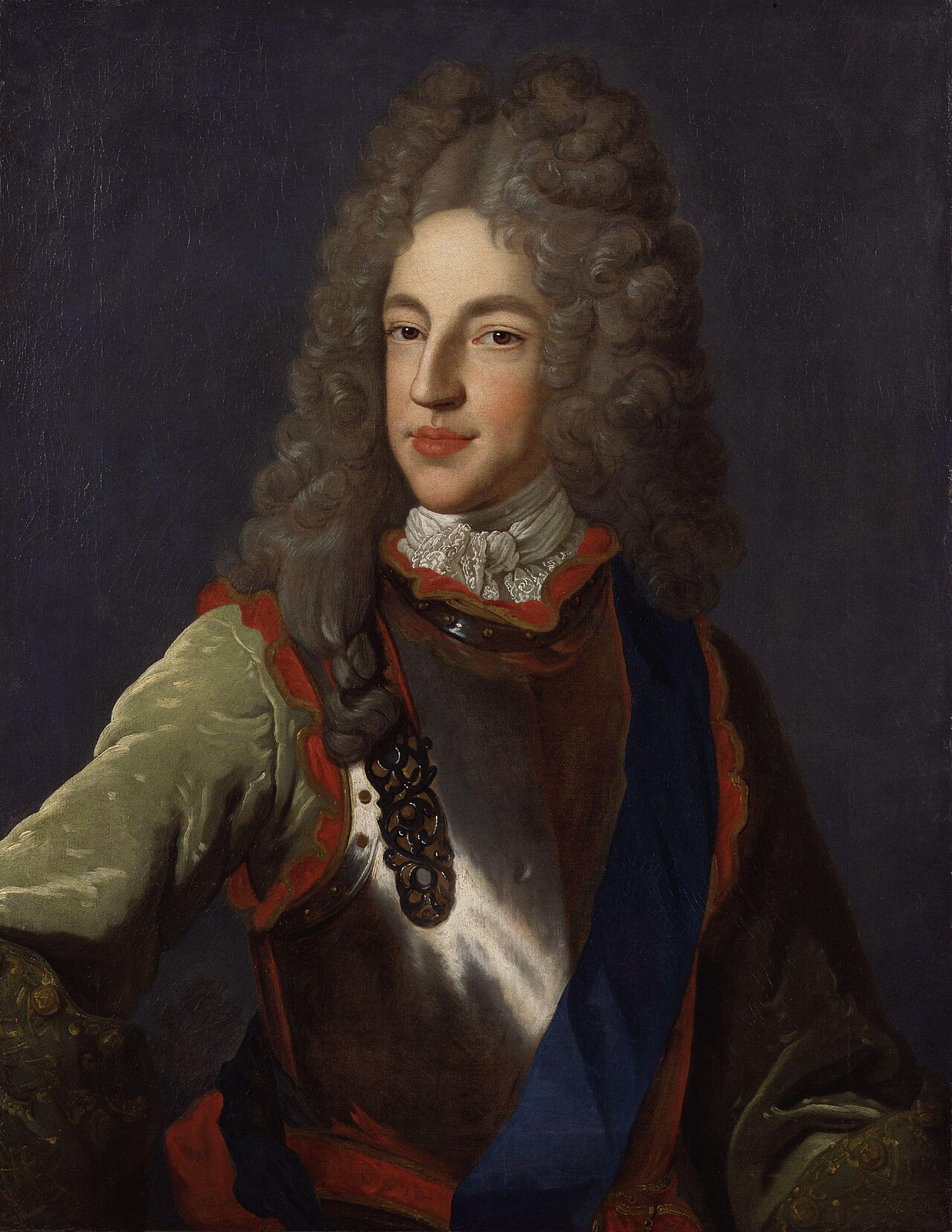
James II and VII (14 October 1633 – 16 September 1701) was king of England, Scotland and Ireland from 1685 until he was deposed in 1688. He is commonly remembered as the last monarch in the British Isles to practise the Roman Catholic faith openly while on the throne. His deposition in what English history calls the Glorious Revolution ended his reign and changed the constitutional balance between crown and parliament.
Image gallery
10 Images




Titles, family and early life
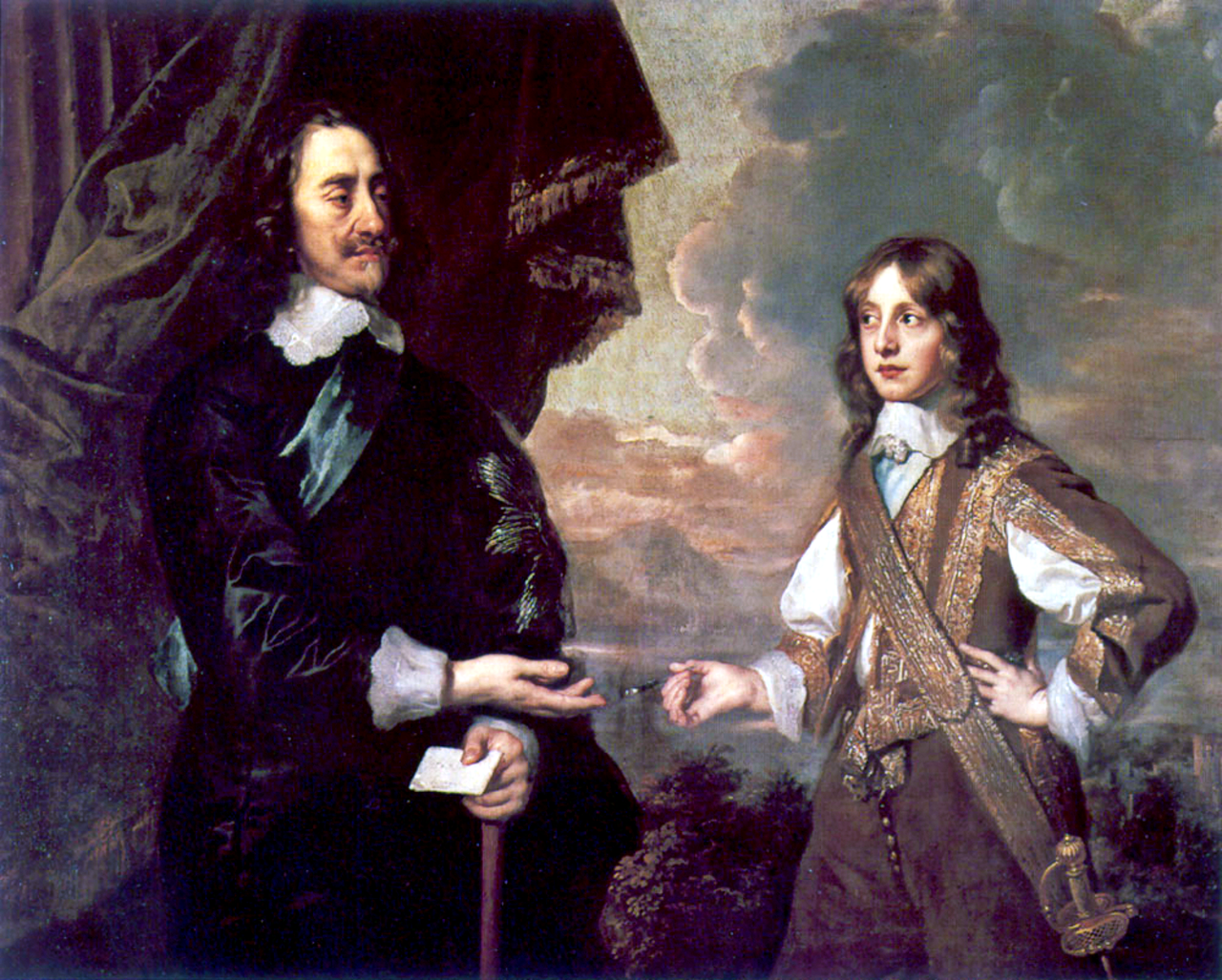
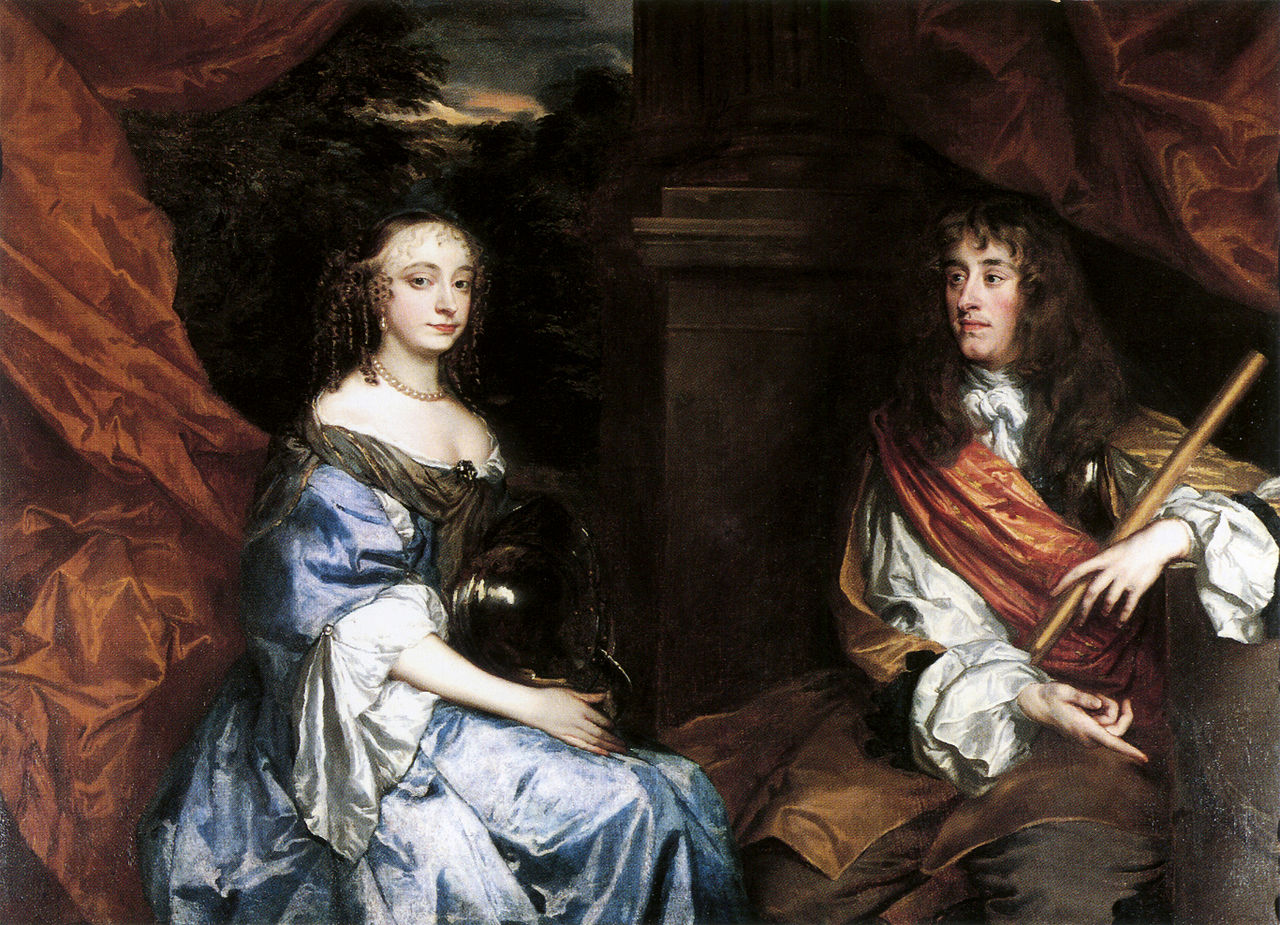
Born into the Stuart dynasty, James was the younger brother of Charles II and had accumulated several ducal and princely honours before accession, including the traditional title Duke of York and historical association with the Channel Islands and the old title Duke of Normandy. His Catholicism, which contrasted with the Protestant establishment, shaped his political career and public reputation. He was the father of a surviving Protestant daughter, Mary, and of a son, James Francis Edward, whose birth intensified fears of a Catholic succession.
Reign and policies
As king, James pursued policies that sought greater tolerance for Catholics and other religious minorities, and he appointed fellow Catholics to positions of influence. These actions alarmed many in parliament and among the political nation, who feared a rollback of Protestant ascendancy and of parliamentary power. Opposition coalesced into a broad political movement that questioned whether James’s approach was compatible with existing laws and institutions.
The Glorious Revolution and exile
In 1688 a group of prominent English Protestants invited William of Orange and his wife Mary to intervene; William’s invasion precipitated James’s flight. The events are called the Glorious Revolution in Britain. James and his supporters went into exile, first seeking refuge on the Continent and ultimately living under the protection of King Louis XIV of France. William and Mary assumed the throne in 1689, inaugurating a new constitutional settlement that limited the autonomous power of the monarch.
Attempts to regain the throne and Jacobitism
Many of James’s adherents held that he remained the legitimate sovereign; this political movement became known as Jacobitism (from the Latin name Jacobus). James made a serious attempt to recover his kingdoms by landing in Ireland in 1689, where he hoped to rally Catholic and royalist support. That landing is often noted as a pivotal episode in the broader struggle; he disembarked and led his cause in Ireland before suffering military setbacks, most notably defeat at the Battle of the Boyne and other engagements which undermined his position. After military failure he returned to France and lived the remainder of his life there as a claimant to the throne.
Legacy and later claimants
James’s exile did not end the dynastic dispute. His son, James Francis Edward, was styled by supporters as the rightful king (later known as the Old Pretender), and his grandson, Charles Edward Stuart, led further restoration attempts in the eighteenth century. Those efforts failed, but Jacobite sentiment remained a potent cultural and political force for decades. The Glorious Revolution and its aftermath are widely regarded as key moments in the development of parliamentary sovereignty, religious settlement and the modern British state.
Notable facts
- James’s deposition led directly to the accession of William III and Mary II and to legislative changes that limited monarchical prerogative.
- The term Jacobite derives from the Latin form of James’s name and labels the supporters who continued to press his cause abroad and at home.
- Although he sought to restore his rule militarily, James spent his final years protected by France and never regained his kingdoms.
For more detailed studies, readers may consult specialized biographies and contemporary chronicles that explore James’s policies, the political tensions of the 1680s, the military campaigns in Ireland and the enduring cultural memory of the Jacobite movement. Primary documents and scholarly works provide a fuller picture of a monarch whose reign marks a decisive turning point in British constitutional history.
England | Scotland | Ireland | Normandy | Glorious Revolution | France | Catholicism | James Francis Edward | Exile | Jacobitism | Jacobus | Attempt to recover | Landing in Ireland | Return to France | Bonnie Prince Charlie
Questions and answers
Q: Who was James II and VII?
A: James II and VII was the king of England, Scotland, and Ireland from 1685 to 1688. He was also Duke of Normandy from 31 December 1660.
Q: What caused his loss of kingdoms in the Glorious Revolution?
A: Some people did not like his religious ideas, leading a group of them to disobey and fight against him. This led to the Glorious Revolution in England and Scotland which resulted in James losing his kingdoms.
Q: Who replaced King James?
A: King James was replaced by his Protestant daughter, Queen Mary II, and her husband King William III and II who became rulers in 1689.
Q: What is Jacobitism?
A: Jacobitism is the belief that James, not William III or Mary II, was the one true ruler. It gets its name from Jacobus or Iacobus which is Latin for James.
Q: Did he succeed in taking back his throne?
A: No, he did not succeed in taking back his throne after making one serious attempt when he landed in Ireland in 1689. After being defeated at the Battle of the Boyne later that year he returned to France where he lived out the rest of his life under protection from King Louis XIV.
Q: Who attempted to restore the Jacobite line after James' death? A: His son James Francis Edward Stuart (The Old Pretender) and grandson Charles Edward Stuart (The Young Pretender or Bonnie Prince Charlie) attempted to restore the Jacobite line after James's death but failed.
Related articles
Author
AlegsaOnline.com James II and VII: last Catholic monarch of England, Scotland and Ireland Leandro Alegsa
URL: https://en.alegsaonline.com/art/49226