
Mary Magdalene: follower, witness, and revered figure in Christian tradition
Mary Magdalene, a prominent woman in the New Testament, is known as a devoted follower of Jesus, witness to his death and resurrection, and a venerated saint whose role has been debated and reinterpreted through history.
Mary Magdalene appears in all four canonical accounts of the Gospels. Early Christian texts describe her as a devoted follower of Jesus and as one from whom he cast out "seven demons"; this brief description became a defining detail in later retellings. The principal sources for her life are the narratives collected in the four Gospels of the New Testament, which emphasize her presence at key moments in Jesus’ ministry and in the events surrounding his death and resurrection.
Image gallery
10 Images






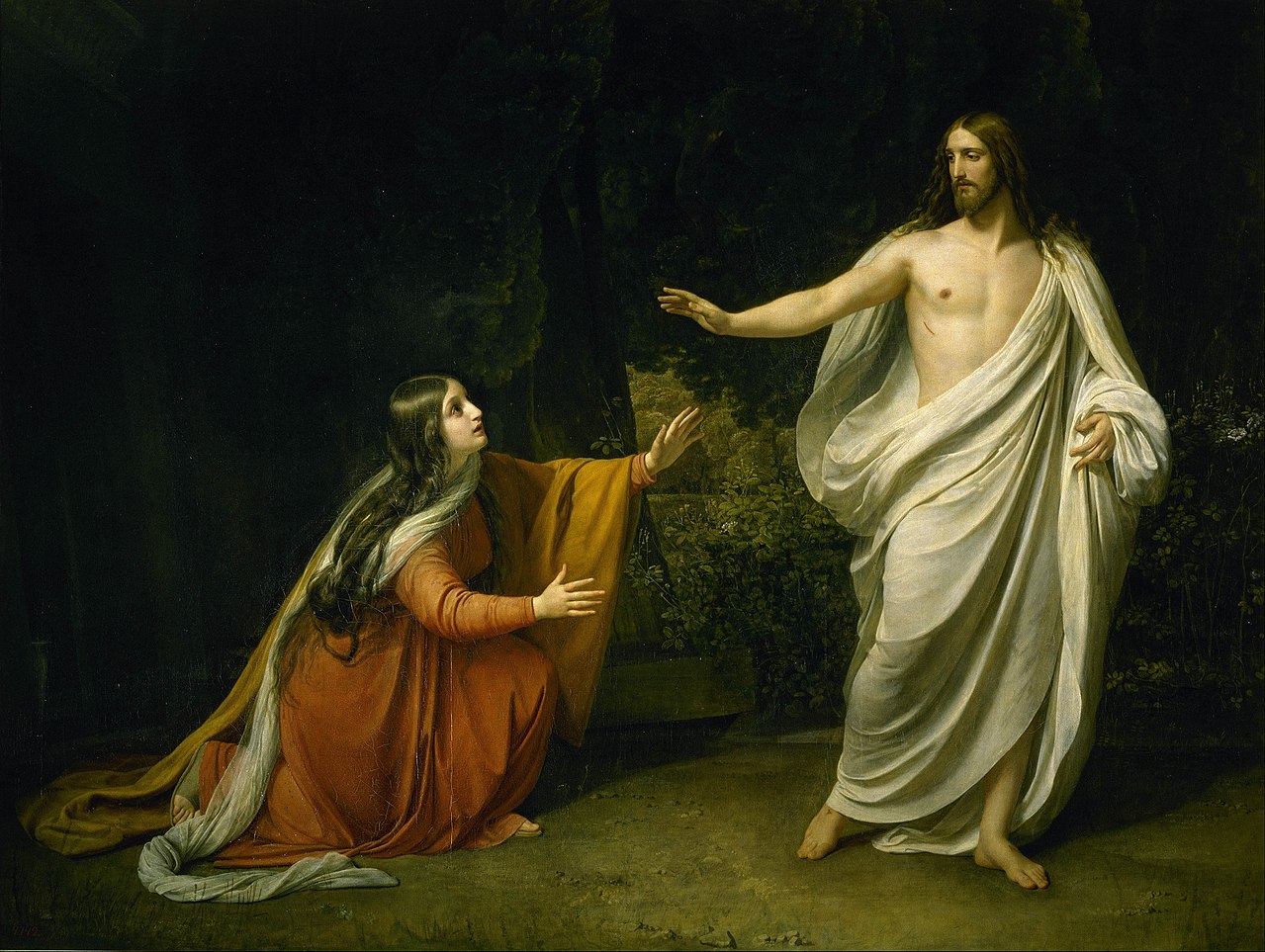


Biblical accounts and roles
The Gospel accounts depict Mary as a faithful follower who remained near Jesus during his final hours. She is listed among the women who witnessed the crucifixion and who saw where Jesus’ body was laid. In several passages she is identified as the first person to encounter the risen Jesus and to report that encounter to others, proclaiming that he had arisen. This role as the first witness to the resurrection makes her testimony central to the Christian proclamation and explains why later generations called her an authority among the apostles.
Tradition, misidentification, and titles
Over the centuries Mary Magdalene’s identity was reshaped by tradition. At times she was conflated with other women in the Gospel narratives, including an unnamed "sinful" woman, a confusion that persisted in popular devotion and art. Modern scholarship generally distinguishes the figures and emphasizes Mary Magdalene’s specific biblical portrayal. In many Christian communities she is honored with special epithets, such as "Apostle to the Apostles," and she is formally recognized as a saint in several denominations.
Veneration, writings, and cultural impact
Mary’s importance extends beyond the canonical texts. A number of non-canonical writings and early Christian traditions focus on her, sometimes presenting her as a disciple with theological insight. Her feast is observed on July 22 in the Western calendar, and she has inspired countless works of art, literature, and liturgy. Debates about her life and status have also made her a recurrent figure in modern scholarship, devotional practice, and popular culture.
- Primary sources: appearances in the canonical Gospels (four Gospels).
- Distinctive note: freed from "seven demons" in the Gospel accounts.
- Witness: present at the crucifixion and named as first to see the risen Lord (resurrection).
- Legacy: honored among the apostles in some traditions and venerated as a saint.
Mary Magdalene remains a figure of enduring interest because she bridges scriptural testimony, historical interpretation, and devotional imagination. Her portrayal invites questions about memory, gender, authority, and the ways in which communities remember foundational events described in the New Testament.
Related articles
Author
AlegsaOnline.com Mary Magdalene: follower, witness, and revered figure in Christian tradition Leandro Alegsa
URL: https://en.alegsaonline.com/art/62475
Sources
- tools.wmflabs.org : Luke 8:2
- tools.wmflabs.org : Mark 16:9–11
- tools.wmflabs.org : John 20:11–18