
William III and II, Prince of Orange — King of England, Scotland and Ireland (1689–1702)
William III and II, Prince of Orange (1650–1702): Dutch-born monarch who led the Glorious Revolution, reigned over England, Scotland and Ireland (1689–1702), and fought Jacobite forces and Louis XIV's France.
William III and II (born 4 November 1650, died 8 March 1702) ruled as King of England and Ireland from 13 February 1689, and as King of Scotland from 11 April 1689 until his death.
Image gallery
10 Images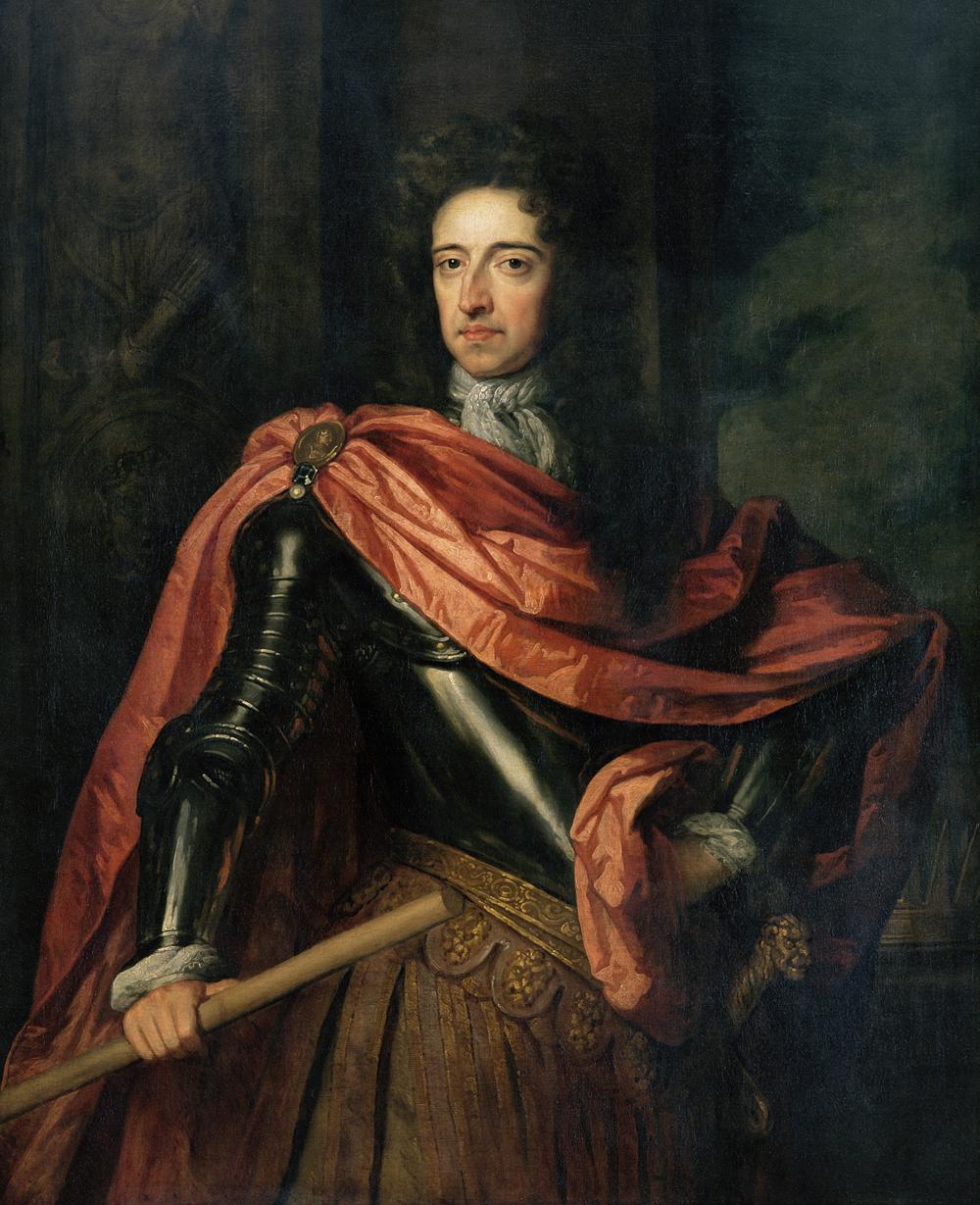


Family background and youth
He was born in the Netherlands as Prince William Henry of Orange. His mother was Mary Stuart, sister of the English monarch James II. William married his cousin Mary on 4 November 1677.
The Glorious Revolution and accession
Dissatisfaction with King James's rule led to the events of the Glorious Revolution in 1688. William led a Dutch force to England, landing at Brixham; the arrival of his troops caused James's support to collapse. The episode is commonly called the Glorious Revolution.
Afterward, the English Parliament offered the crown jointly to William and Mary. They accepted and reigned together as William III and Mary II. Parliamentary legislation during their rule strengthened the role of Parliament, extended toleration to many Protestant dissenters, and maintained limitations on Catholics and other non-Protestant groups.
Scotland and the Jacobite opposition
In 1689 William called a Scottish Convention of Estates and sent conciliatory communications rather than royal orders. On 11 April the Convention declared that James was no longer king of Scotland, and the Scottish crown was accepted by William and Mary on 11 May. Supporters of James — the Jacobites — continued efforts over the following decades to restore him and his heirs.
Conflict with France and military campaigns
William's principal continental adversary was Louis XIV of France, who backed attempts to reinstate James. In Ireland, Jacobite forces supported by French troops fought William's army; William personally commanded the campaign that defeated the Jacobites at the Battle of the Boyne in 1690, after which James retreated to France.
On the continent a wide coalition opposed French expansion in the Nine Years' War. The Anglo-Dutch naval forces won at La Hogue in 1692, but on land the allies suffered setbacks: the surrender of Namur in 1692 and the defeat at the Battle of Landen in 1693.
Final years and succession
Mary died on 12 December 1694 from smallpox, leaving William to govern without his co-monarch. He was later succeeded by his sister-in-law, Queen Anne.
In 1701 Parliament passed an act arranging that the crowns of England and Ireland should pass only to Protestants; Scotland remained outside that settlement until the parliamentary union of the two kingdoms in 1707.
Questions and answers
Q: Who was William III and II?
A: William III and II (4 November 1650 – 8 March 1702) was King of England and Ireland from 13 February 1689 (as William III) and he was king of Scotland from 11 April 1689 (as William II). He remained king until his death on 8 March 1702.
Q: What is the Glorious Revolution?
A: The Glorious Revolution is the overthrow of King James in England in 1688, when a Dutch army led by Prince William Henry of Orange landed at Brixham. This allowed James to leave for France, and made Prince William the last person to successfully invade England by force.
Q: Who did William marry?
A: William married King James's daughter Mary (his own first cousin) on 4 November 1677.
Q: What laws were passed during the reign of William and Mary?
A: Laws were passed which protected Parliament from unreasonable acts of the Sovereign, guaranteed religious toleration to Protestant nonconformists, but restricted the religious liberty of Roman Catholics and non-Christian faiths.
Q: How did Scotland react to this change in monarchy?
A: When offered the Scottish crown, they accepted it on 11 May after a conciliatory letter sent by William unlike James who had tried to give them orders.
Q: Who was Louis XIV?
A: Louis XIV was the King of France who protected and supported James in his efforts to return as monarch after being overthrown in the Glorious Revolution.
Q: What act settled succession for thrones in England & Ireland? A: In 1701 an Act of Parliament was passed which settled the succession of thrones for England & Ireland on Protestants only; Scotland wasn't included until their parliamentary union with England & Ireland in 1707.
Author
AlegsaOnline.com William III and II, Prince of Orange — King of England, Scotland and Ireland (1689–1702) Leandro Alegsa
URL: https://en.alegsaonline.com/art/132938