
Miscarriage: causes, signs, types, diagnosis and support
Miscarriage (spontaneous abortion) is the loss of a pregnancy before the fetus can survive outside the womb. Overview of frequency, causes, types, diagnosis, treatment, and emotional care.
Overview: A miscarriage is the natural loss of a pregnancy before the developing embryo or fetus can survive outside the uterus. Medical terminology often uses the term "spontaneous abortion" to describe this event. An early pregnancy loss can occur before fetal viability and may be described in relation to the stage of development as an embryo or fetus. The term distinguishes unplanned pregnancy loss from induced abortion.
Image gallery
6 Images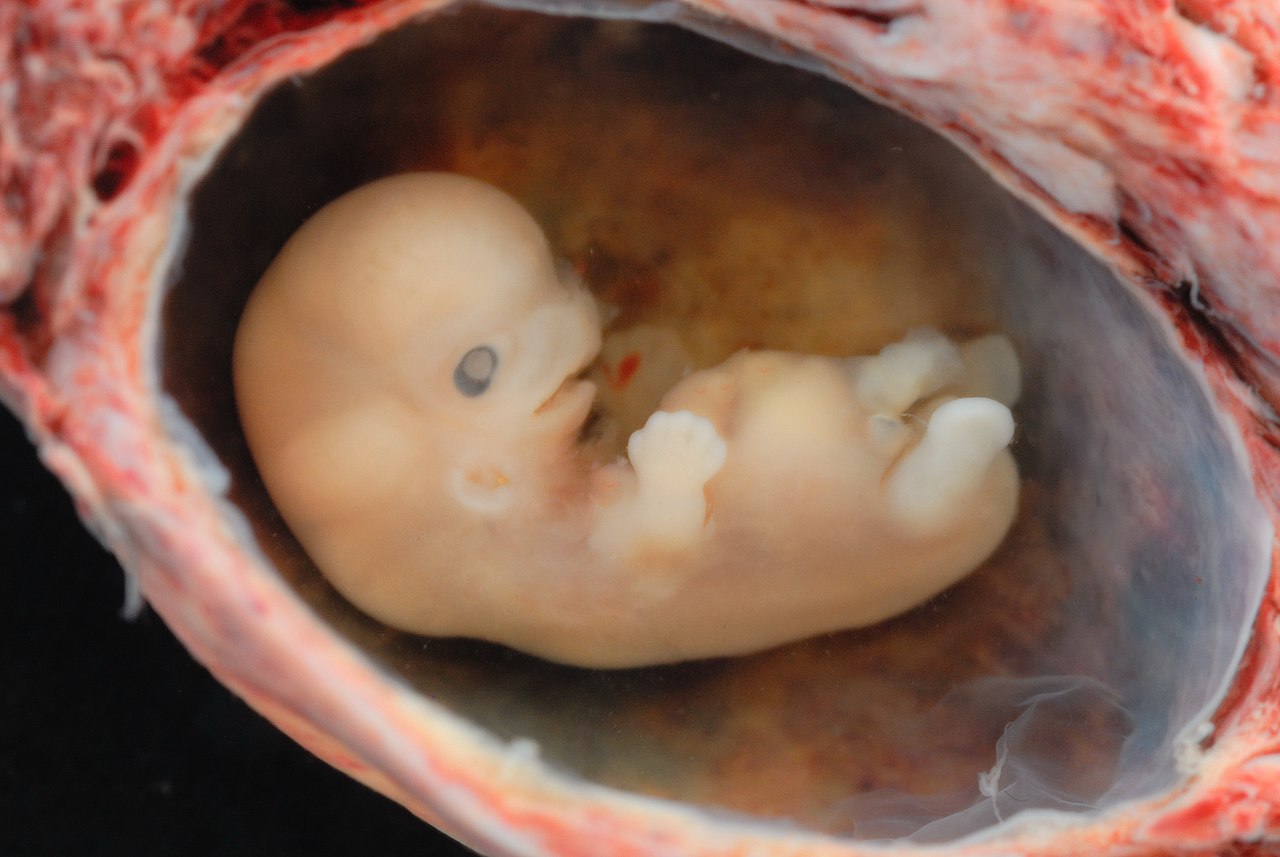


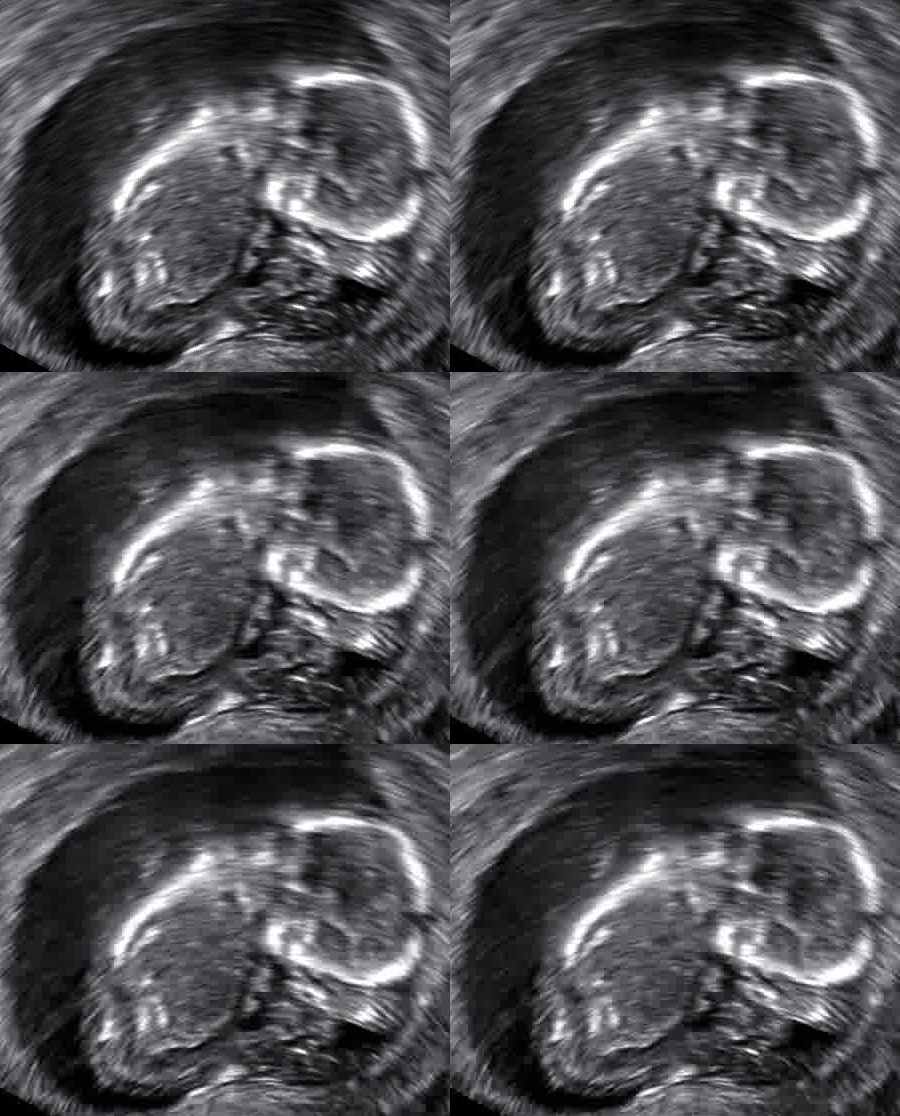
Frequency and risk factors
Among people who know they are pregnant, miscarriages are common. Estimates vary, but a substantial minority of recognized pregnancies end in loss. Risk increases with advancing maternal age and with certain medical conditions. Other factors associated with increased risk include chromosomal anomalies in the pregnancy, some uterine abnormalities, untreated chronic disease, and lifestyle factors such as smoking and excessive alcohol use. Human reproductive biology contributes to a background rate of early losses in humans, especially in the first trimester.
Causes and types
Not all losses have an identifiable cause, but frequent contributors are:
- Chromosomal or genetic abnormalities of the embryo or fetus.
- Anatomical problems of the uterus or cervix.
- Hormonal or immune disorders, and some infections.
- Environmental exposures and lifestyle risks.
Clinicians also describe miscarriages by clinical stage: threatened, inevitable, incomplete, complete, and missed losses. These categories describe symptoms and findings on examination or ultrasound rather than cause.
Diagnosis and management
Diagnosis relies on symptoms (vaginal bleeding, cramping, loss of pregnancy symptoms), pelvic examination, ultrasound imaging, and serial measurements of pregnancy hormones (hCG). Management options depend on the clinical situation and patient preference and may include expectant (watchful) management, medical treatment to expel pregnancy tissue, or surgical procedures such as dilation and curettage. Follow-up ensures that bleeding and infection are addressed and that physical recovery is complete.
Emotional impact and follow-up
Pregnancy loss can be emotionally painful for individuals and partners. Supportive care, counselling, and clear information about future fertility are important. Most people who have a single miscarriage go on to have healthy pregnancies. When losses are recurrent (commonly defined as two or three consecutive losses), clinicians typically offer further evaluation and specialist referral to investigate possible causes.
Prevention and when to seek care
Not all miscarriages are preventable, but preconception health optimisation—managing chronic conditions, avoiding tobacco and excessive alcohol, maintaining a healthy weight, and taking recommended prenatal vitamins—can reduce some risks. Seek urgent care for heavy vaginal bleeding, severe pain, fever, or other concerning symptoms. For more information on pregnancy care and early pregnancy issues see resources at trusted medical sources.
Questions and answers
Q: What is a miscarriage?
A: A miscarriage is the natural death of an embryo or fetus in the womb, before it is old enough to live on its own, outside the mother.
Q: What are the medical words for a miscarriage?
A: The medical words for a miscarriage are spontaneous abortion.
Q: What does "spontaneous" mean in relation to miscarriage?
A: "Spontaneous" means something that a person did not expect to happen.
Q: What is the definition of an abortion?
A: An "abortion" is when a pregnancy ends early, before birth.
Q: How many women who know they are pregnant have miscarriages?
A: Among women who know they are pregnant, about 15-20% have miscarriages, meaning that up to 1 in 5 women who know they are pregnant miscarry.
Q: Is miscarriage a common complication in early pregnancy in humans?
A: Yes, miscarriage is the most common complication (serious problem) that happens in early pregnancy in humans.
Q: At what stage of pregnancy does a miscarriage occur?
A: A miscarriage can occur at any stage of pregnancy, but it typically occurs in the first trimester (within the first 13 weeks of pregnancy).
Related articles
Author
AlegsaOnline.com Miscarriage: causes, signs, types, diagnosis and support Leandro Alegsa
URL: https://en.alegsaonline.com/art/65415
Sources
- nlm.nih.gov : "Miscarriage"
- ncbi.nlm.nih.gov : "Ectopic Pregnancy and Miscarriage: Diagnosis and Initial Management in Early Pregnancy of Ectopic Pregnancy and Miscarriage"
- ncbi.nlm.nih.gov : "International comparisons of fetal and neonatal mortality rates in high-income countries: should exclusion thresholds be based on birth weight or gestational age?"
- doi.org : 10.1371/journal.pone.0064869
- pubmed.ncbi.nlm.nih.gov : 23700489
- aihw.gov.au : "Australia's Mothers and Babies 2010"
- rcog.org.uk : "Further Issues Relating to Late Abortion, Fetal Viability and Registration of Births and Deaths"
- doi.org : 10.1159/000271995
- pubmed.ncbi.nlm.nih.gov : 20051662
- doi.org : 10.1002/uog.10152
- pubmed.ncbi.nlm.nih.gov : 22125091
- webmd.com : "The Second Trimester"
- pubmed.ncbi.nlm.nih.gov : 12336441
- books.google.com : The Johns Hopkins Manual of Gynecology and Obstetrics